ACI Europe Launches Updated Sustainability Strategy 2.0
ACI Europe has unveiled its updated Sustainability Strategy for Airports 2.0, providing a framework for airports to advance across seven key sustainability areas from 2026 to 2030.
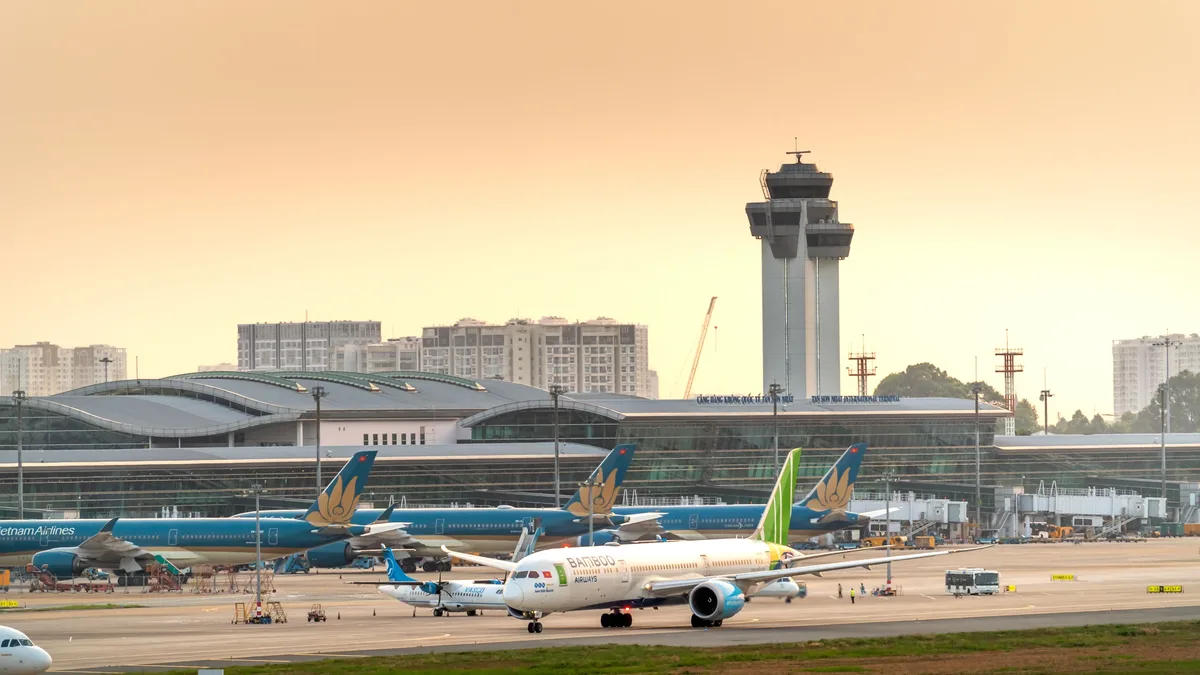
ACI Europe launched its updated Sustainability Strategy for Airports 2.0 during a joint seminar with ICAO in Tashkent, Uzbekistan. The new framework builds on the organisation's initial 2019 strategy and aims to integrate sustainability into airport operations, investments, and long-term business planning for the period 2026 to 2030.
Olivier Jankovec, the ACI Europe Director General, presented the strategy. It is designed for airports with different resources and levels of experience. Operators are advised to assess environmental and community impacts before choosing actions, considering the needs of passengers, employees, local authorities, and shareholders.
Core focus and structure
Decarbonisation remains at the core of the strategy. The framework, however, now expands to cover seven main areas. These include preparing for climate change, managing local environmental impacts, reusing resources, and protecting nature. Transport, accessibility, staff, and local communities are also featured.
The strategy introduces a four-stage implementation framework.
Practical tools and airport progress
The strategy provides practical tools, Key Performance Indicators, airport case studies, and regulatory guidance. An accompanying toolkit helps airports assess their position and track improvements. For carbon emissions, recommended actions range from measuring energy use to investing in renewable electricity and cleaner vehicles.
Progress is already evident. Since 2019, 328 European airports have published public net zero roadmaps, covering nearly 83 per cent of European passenger traffic. More than 100 European airports are targeting net zero by 2030 or earlier. A separate programme, Airport Carbon Accreditation, now certifies 297 European airports.
The sector’s net zero commitment concerns operations under airport control, including fuel use and purchased electricity. It does not mean that flights using those airports are emissions-free. The strategy encourages cooperation with airlines and other businesses to address emissions outside an airport's direct control.
Regional example and seminar details
The joint ACI Europe and ICAO Environmental Protection Seminar was hosted by the Ministry of Transport of the Republic of Uzbekistan from 7 to 9 October 2026. It brought together airports, regulators, financial institutions, manufacturers, and sustainability experts. Discussions covered CORSIA implementation, Sustainable Aviation Fuels, green finance, and climate resilience.
The event highlighted engagement in Central Asia. Tashkent International Airport recently entered the Airport Carbon Accreditation programme directly at Level 2. This entry recognises the establishment of its carbon management framework and demonstrated emissions reductions. Nine airports under Uzbekistan Airports management have now achieved certification.
Broader sustainability dimensions
The strategy addresses governance, sustainability reporting, and anti-greenwashing guidance. It spans environmental, social, and economic considerations.
Climate adaptation includes preparing for floods, heat, and storms. Suggested first steps involve identifying weather risks and updating disruption plans. Airports further along are encouraged to assess vulnerable infrastructure and include climate risks in investment decisions. Longer-term adaptation plans should be part of airport development.
Other sections address noise, air quality, waste, and water use. Protecting habitats on airport land is included. For resource management, Eindhoven Airport is highlighted for reusing terminal materials and collecting rainwater for toilets.
For sustainable mobility, the framework recommends clearer public transport information and measures to encourage alternatives to private cars. Actions include working with authorities to improve rail and bus connections and developing journey planners. Brussels Airport’s travel planner and virtual walkthroughs are featured as existing examples.
Accessibility recommendations cover programmes for people with non-visible disabilities. The people and community section covers staff training, wellbeing, local recruitment, and engagement with nearby residents. Suggested measures of progress include employee satisfaction, training hours, and community satisfaction.
Olivier Jankovec said: "But true sustainability means much more than just addressing carbon. Airports are critical infrastructure, major employers and integral parts of the communities they serve." Airports are now encouraged to use the strategy’s four-stage framework-Comply, Embed, Advance, Pioneer-to integrate these broader goals into their core operations and long-term planning.