Riyadh Air relocates 787 fleet from Riyadh amid Houthi missile threat
Riyadh Air has evacuated its Boeing 787-9 Dreamliners from King Khalid International Airport due to Houthi missile risks, following a deadly attack that closed the airport.
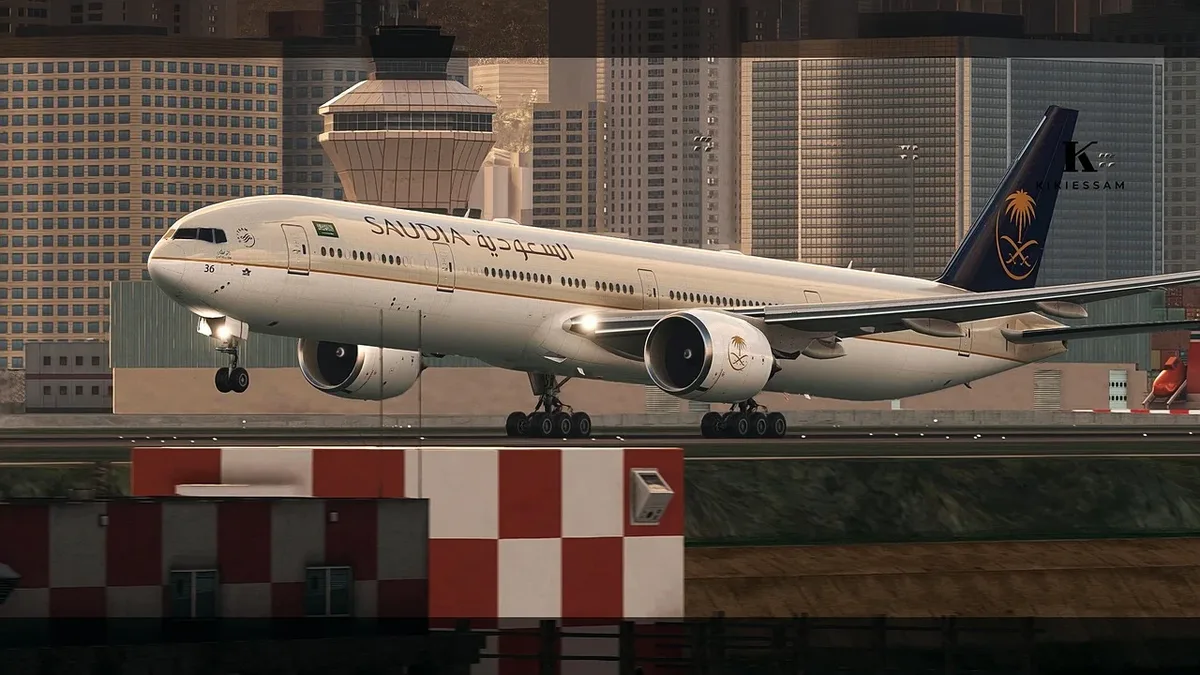
Riyadh Air has moved its fleet of brand-new Boeing 787 Dreamliners out of King Khalid International Airport in Riyadh. The relocation is a response to growing concern over missile and drone attacks launched by Houthi forces from Yemen.
The Iran-backed Houthi movement has repeatedly fired ballistic missiles and drones at Saudi targets in recent days. While Saudi air defenses have intercepted many projectiles, the risk of a successful strike on a parked, high-value aircraft remains a serious operational concern. Flight tracking data indicates the Dreamliners have been moved to locations further from the Yemeni border. The airline is treating the move as a standard operational decision to allow continued crew training, maintenance, and readiness activities.
Impact on operations and launch timeline
King Khalid International Airport remains closed until at least October 17 following a deadly missile attack last Saturday. That attack killed 12 people and wounded 309 others after a direct hit on Terminal 3. Another missile struck Terminal 4 the next day, causing more damage and injuries.
This closure has suspended all of Riyadh Air's planned inaugural routes. The airline had opened bookings for flights from Riyadh to over a dozen cities including Manchester, London Heathrow, Madrid, and Dubai. All routes remain unserved. The Houthi rebels have vowed to continue attacks on civil aviation targets in Saudi Arabia.
Specific aircraft relocations confirm the scale of the disruption.
Two other aircraft, HZ-RXAB and HZ-RXX, have been grounded in Jeddah since October 10 and October 8, respectively.
Fleet status and investment at risk
Riyadh Air, wholly owned by Saudi Arabia's Public Investment Fund, is preparing for its commercial debut. It has taken delivery of eight Boeing 787-9 Dreamliners since June, with each jet carrying a list price in the hundreds of millions of dollars. These aircraft form the backbone of its ambitious long-haul network.
The airline has a firm order for 39 Boeing 787-9s and options for more, with plans to expand to over 100 destinations by 2030. Losing even one new Dreamliner would represent a significant financial and reputational blow. The airline is positioned to compete directly with Gulf giants like Emirates and Qatar Airways, and is led by former Etihad chief executive Tony Douglas.
Broader regional security context
Riyadh sits roughly 1,000 kilometers from the Yemeni border, within range of advanced Houthi ballistic missiles and long-range drones. The group has previously struck Saudi oil facilities and airports. While Saudi Patriot batteries have intercepted numerous attacks, no air defense system offers absolute protection.
The Houthi threat has expanded in sophistication in recent years, with some Western officials believing the weapons are supplied or designed with Iranian assistance. The campaign has also disrupted global trade via attacks on commercial shipping in the Red Sea. Other Gulf operators have been forced to consider the security implications of basing aircraft within this threat range.
Human cost and service disruption
The human toll of the attacks on aviation is already clear. One Saudia Airlines aircraft has been destroyed. A Saudia captain and a Flynas flight attendant have been killed in recent missile strikes.
Meanwhile, Riyadh Air faces parallel challenges in building its workforce. The airline is recruiting cabin crew from Western and European countries to emulate its rivals. It faces hurdles convincing that talent to join due to Riyadh’s perceived differences from Dubai or Abu Dhabi, and the ongoing security situation.
Riyadh Air continues crew training, maintenance checks, and operational readiness activities at its relocated aircraft locations.