Seasonal Services
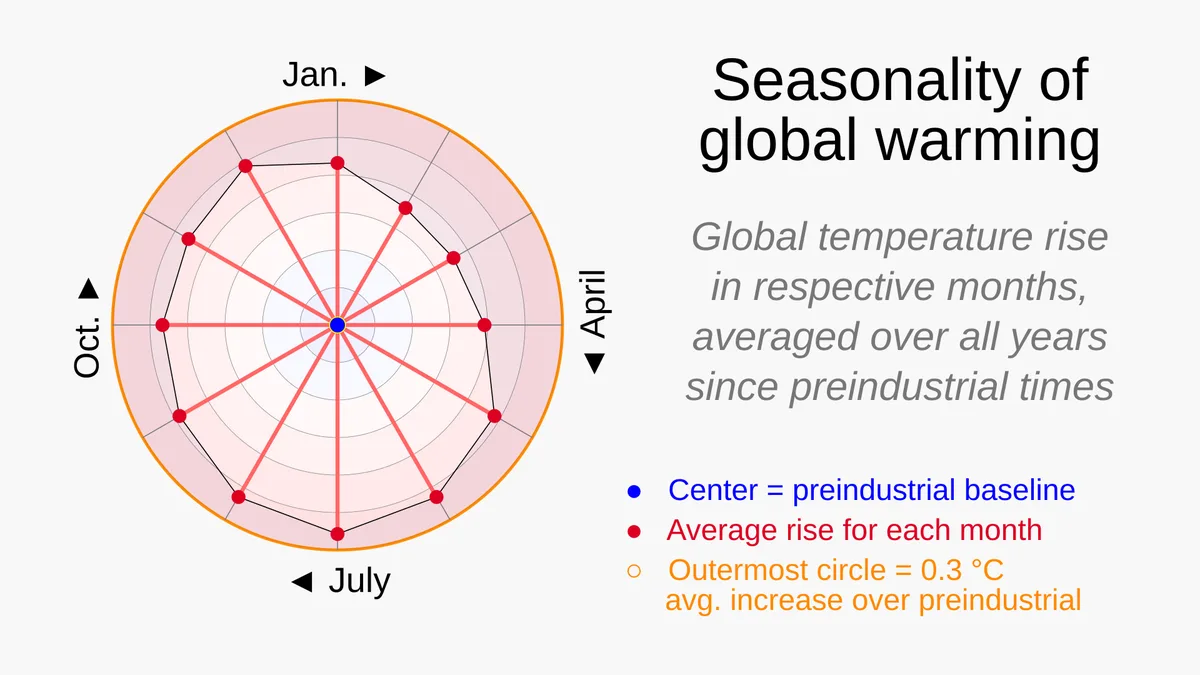
| Operational period | Winter months (typically November to March) |
|---|---|
| Typical services | De‑icing, snow clearance, gritting |
| Primary users | Airlines, airport ground operations |
| Trigger conditions | Forecast or observed freezing precipitation, snowfall |
| Equipment used | De‑icing vehicles, plows, sweepers, anti‑icing fluid |
| Coordination required | Air traffic control, airline dispatch, ground handlers |
| Impact on passenger journey | Potential for gate delays, extended taxi times |
Origin and history
The concept of Seasonal Services as a distinct operational route within an airport is a development of the late 20th century, coinciding with the rise of leisure travel and the deregulation of the airline industry. Its origins are most closely associated with the tourism markets of Europe and North America, where pronounced seasonal weather patterns and holiday periods created predictable travel demand. The model evolved from ad-hoc charter flights, which historically served holiday destinations, into scheduled services operated by both legacy and low-cost carriers on a seasonal basis. The infrastructure and operational planning for these routes became formalized by airport authorities as the volume of such traffic grew significantly from the 1990s onwards. This formalization required airports to develop specific procedures for managing temporary routes, which often utilize gates and facilities that may be dormant during off-peak periods. The historical driver has consistently been the alignment of air service with periods of high demand to specific destinations, primarily for tourism.
What it is for
Seasonal Services refers to scheduled passenger flights that operate only during specific times of the year, corresponding to peaks in travel demand. At an airport, this route designation is used to allocate resources like check-in desks, boarding gates, baggage belts, and ground handling staff for these temporary operations. Its primary function is to efficiently connect passenger hubs to popular holiday destinations during their optimal seasons, such as beach resorts in summer or ski fields in winter. For the passenger journey, it means that certain destinations are only accessible via direct flights during these windows, potentially affecting booking timelines and baggage allowances geared toward leisure travel. The airport must integrate these services into its standard operational framework, despite their temporary nature, ensuring security, customs, and transportation links are scaled appropriately. This route type serves the economic purpose of maximizing airport and airline asset utilization during periods of otherwise lower demand.
Pros and cons
A primary advantage of Seasonal Services for an airport is the efficient use of infrastructure, generating revenue from gates and facilities that might otherwise be underused during off-peak times. For passengers, these routes often provide direct access to holiday destinations at frequencies and prices that would be unsustainable year-round, increasing choice and convenience. A significant con, however, is the operational complexity it introduces for airport planning, requiring meticulous scheduling of staff, equipment, and terminal space that can lead to congestion if poorly coordinated. Passengers can be negatively affected by a lack of alternative options if a seasonal flight is canceled, as rebooking may require a complex rerouting through a hub, unlike on a perennial route with multiple daily frequencies. A common mistake for travelers is assuming the service operates outside its published seasonal dates, leading to booking errors or unexpected itinerary changes. Furthermore, the temporary nature of these services can sometimes result in less familiar ground handling processes for both the airport and the operating airline, potentially increasing the risk of baggage mishandling or boarding delays.
Who it suits
This route type suits leisure travelers whose plans are rigidly tied to seasonal activities, such as families taking summer vacations or skiers planning winter trips, as it offers the most direct routing. It is also suited to passengers who prioritize cost and direct flight access over flexibility, as these flights are often priced competitively but offer few alternatives outside their operating season. Airports with significant spare capacity during off-peak periods are particularly well-suited to hosting Seasonal Services, as they can accommodate the influx without overwhelming their core operations. Conversely, it is poorly suited for business travelers or those requiring reliable, year-round service to a destination, as the schedule discontinuity can disrupt regular travel patterns. It also suits airlines specializing in leisure markets or utilizing aircraft leases that align with seasonal demand peaks in different hemispheres. Finally, it suits destinations whose economies are heavily dependent on tourism, as it provides essential airlift precisely when it is most needed.
Latest Seasonal Services news
Latest reporting

JetBlue launches domestic first class
JetBlue introduces BlueFirst domestic First Class with 12 recliner seats on A320s, bento box meals, and priority services for premium travelers.
Amadeus Drives Biometrics, AI, Digital ID
Amadeus is accelerating the integration of biometrics, AI and digital identity at airports, citing 50% biometrics use in 2025 and 85% passenger...
Polish Air Navigation Services Agency Deploys Frequentis' New Voice Communication System
The Polish Air Navigation Services Agency (PANSA) has deployed a new voice communication system from Frequentis, enhancing its capacity to manage air...
Pan Am's Planned Airline Return and the Strategy Behind the Revival
More than three decades after Pan American World Airways ceased operations, the Pan Am name is being developed across private aviation, hospitality...
VIA Rail Develops Multimodal Hub for Montréal-Trudeau International Airport
VIA Rail Canada is working on a new multimodal hub in Dorval, Quebec, to connect passenger rail services with public transport and Montréal-Trudeau...