Airline Failures And What Happens To Your Booking
| Airline | name of the airline |
|---|---|
| Status | Active, Defunct, or In administration |
| Ceased operations | year or date range |
| Booking impact | Tickets honored, Rebooked, or Refund required |
| Primary hub | main airport or city served |
| Fleet at closure | approximate number or size range |
| Successor airline | name of airline that absorbed assets or routes, if any |
Origin and history
The concept of "Airline Failures And What Happens To Your Booking" as a critical passenger concern emerged in the late 20th century alongside the deregulation and expansion of commercial aviation. Its formalization into a standard topic for passenger rights information is largely a product of consumer protection movements in North America and Europe in the 1990s and 2000s. This focus intensified after several high-profile airline bankruptcies and collapses in the early 21st century, which stranded thousands of passengers globally. Regulatory bodies, such as the European Union and the U.S. Department of Transportation, subsequently developed specific rules and passenger protections related to airline insolvency. The topic is now a staple component of official travel advisories and consumer aviation websites. Its historical development is directly tied to the cyclical nature of the airline industry, where economic pressures frequently lead to corporate failures.
What it is for
This information serves to explain the procedures and protections, or lack thereof, that apply to a passenger's booking when their airline ceases operations. Its primary function is to guide passengers through the immediate practical steps they must take at an airport upon learning of a cancellation. It details the difference between a scheduled flight cancellation and a complete airline failure, which is a critical distinction for determining passenger rights. The information outlines who, if anyone, is responsible for providing alternative travel arrangements, such as another airline or a regulatory authority. It clarifies the often complex financial processes for seeking refunds, including the role of credit card chargebacks and travel insurance claims. Furthermore, it prepares passengers for potential scenarios at the airport, such as grounded aircraft and closed check-in desks, to reduce confusion and distress.
Pros and cons
A primary pro of being informed on this topic is that it empowers passengers to act swiftly and correctly, potentially securing a seat on an alternative flight before options vanish. Understanding the regulatory landscape, such as EU Regulation 261/2004 for flights departing from Europe, can provide a clear path to mandated assistance or compensation in specific cases. A significant con is that for many passengers, especially those on itineraries booked with failed budget carriers or from regions with weak consumer protections, there may be no automatic rebooking or immediate recourse. A common and costly mistake is assuming all bookings are equally protected, leading passengers to forgo separate travel insurance for non-refundable components like hotels. Those who deeply regret not understanding this topic are often passengers who booked indirectly through third-party online travel agencies, as they face a more complicated chain of communication for refunds. The reality is that in most jurisdictions, passengers are unsecured creditors of the failed airline, making full refunds a lengthy and uncertain process.
Who it suits
This information is critically important for any passenger booking travel on a financially troubled or lesser-known airline, where the risk of failure is higher. It particularly suits cost-conscious travelers who select ultra-low-cost carriers, as these airlines' business models can be more vulnerable to market shifts. Passengers booking complex, multi-leg international itineraries or expensive long-haul flights benefit greatly, as their potential financial exposure and travel disruption are substantial. It is essential reading for travelers who do not routinely purchase comprehensive travel insurance that includes "supplier insolvency" coverage. Business travelers whose trips are time-sensitive must understand these procedures to minimize operational disruption for their employers. Ultimately, it suits any prudent traveler who views understanding potential travel disruptions as a necessary part of trip planning, alongside checking visa requirements and airport layouts.
Latest Airline Failures And What Happens To Your Booking news
Latest reporting

Senator Tuberville Furry Airline Workers Controversy
Senator Tommy Tuberville claimed many aviation professionals are part of the furry fandom, posing a safety risk, sparking debate amid his Alabama...
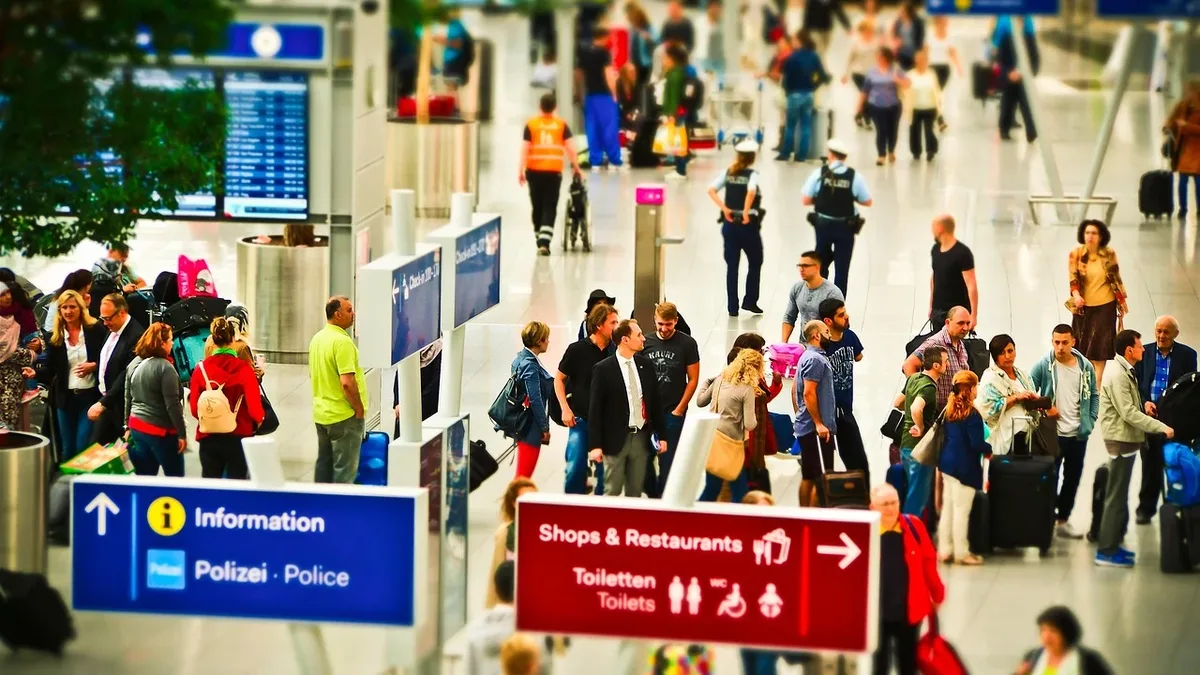
Airports Must Link Systems to Cut Passenger Delays
Industry reports argue that connecting existing airport and airline systems, not new technology, is key to reducing queues and baggage mishandling.
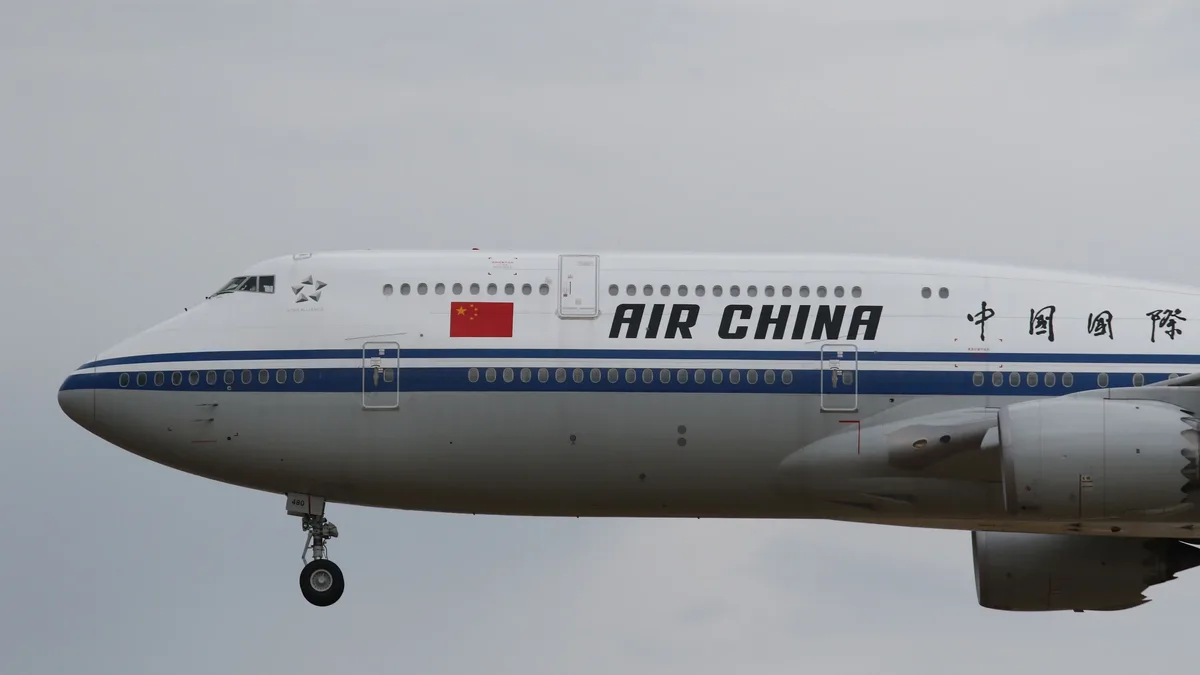
US Airlines Oppose Air China's Bid for Extra US Flights
A US airline trade group is opposing Air China's request for two extra weekly flights to Washington and New York, fearing it would set a precedent...

Iberia opens new Sorolla Emerald Lounge in Madrid Terminal 4
Iberia has officially opened its new Sorolla Emerald Lounge in Madrid's Terminal 4. The 800-square-metre facility is designed for the airline's...
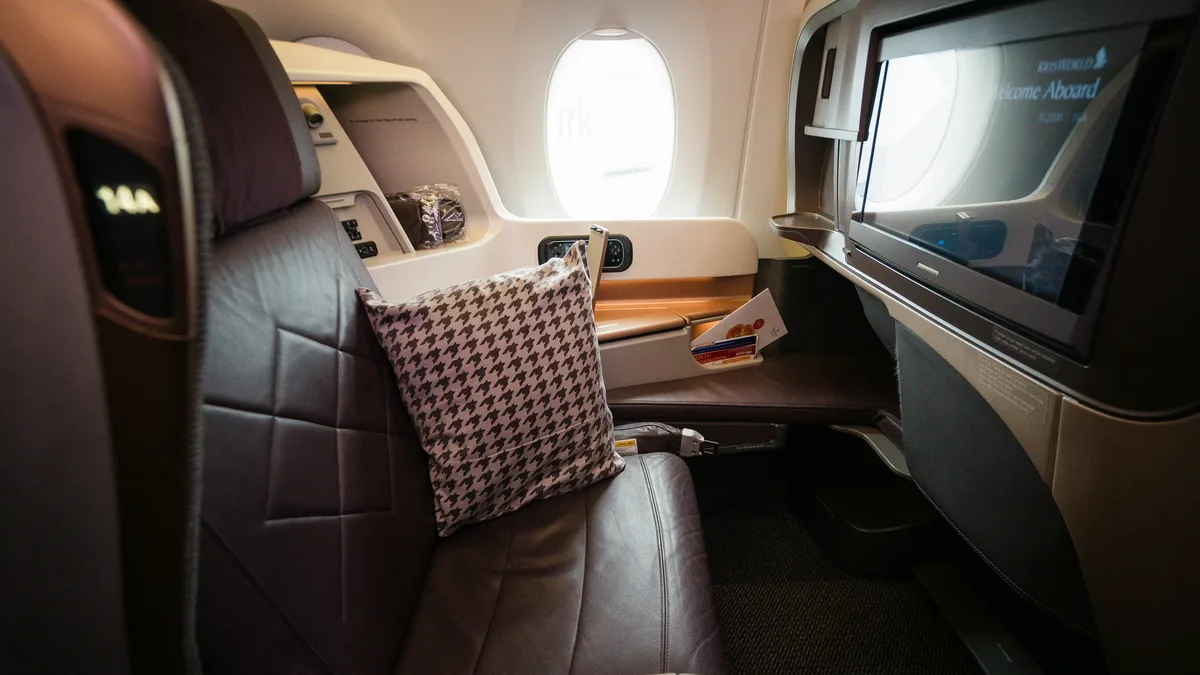
Iberia to retrofit fleet with new business
Iberia's Chief Customer Officer Beatriz Guillen confirmed the airline will introduce a new, unique business class seat across its long-haul fleet...
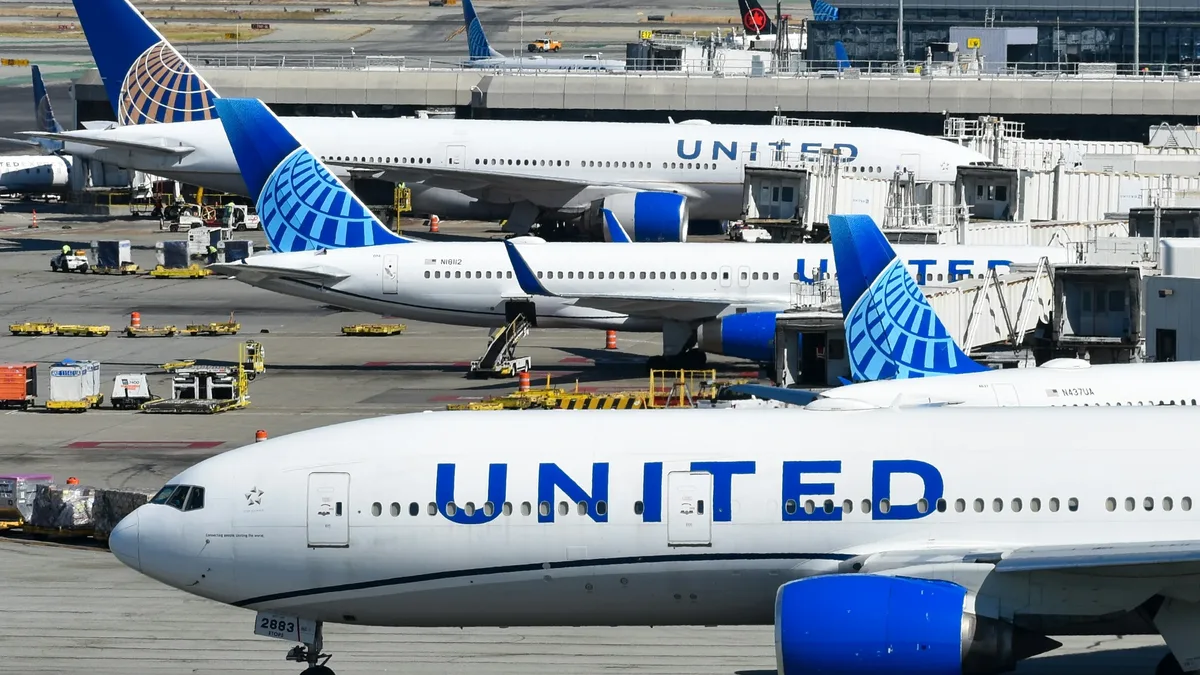
United Airlines to Open Two New Flight Attendant Bases
United Airlines is opening two new flight attendant bases, bringing its total to 10 domestic locations. The airline has not revealed the cities, but...