
Cancelled Less Than 14 Days Before
Origin and history
The regulatory concept of a flight cancellation classified as occurring "less than 14 days before" departure originates from European Union aviation law. It was formally established in the early 2000s as a key temporal threshold within the broader passenger rights framework known as EU Regulation 261/2004. This regulation was created to standardize and strengthen passenger compensation rights across the member states, addressing widespread inconsistencies in airline practices. The fourteen-day demarcation was specifically chosen to define the point at which a cancellation becomes particularly disruptive to a traveler's plans, warranting enhanced passenger protections. This legal framework has since influenced similar passenger rights regulations in other jurisdictions worldwide, though the specific timeframes may differ. The regulation itself consolidated and replaced earlier, less comprehensive directives on denied boarding, drawing on decades of consumer advocacy and policy development within the European community.
What it is for
This classification serves to trigger specific legal obligations for an airline when a flight is cancelled on short notice, within the critical two-week window prior to scheduled departure. Its primary function is to determine the applicable level of compensation owed to passengers, which is higher for cancellations inside this period compared to those notified earlier, barring exceptional circumstances. The rule is designed to protect passengers from the significant inconvenience and additional costs incurred when travel plans are disrupted at a stage where alternative arrangements are scarce and expensive. It applies throughout the passenger journey, from the moment of notification, whether at home or after arriving at the airport, through to the provision of care and re-routing. The classification directly governs the airport experience by mandating that the operating airline provide assistance, such as meals, refreshments, and hotel accommodation if necessary, while the passenger is on airport property. It also establishes the legal basis for the passenger's choice between reimbursement, re-routing, or a return flight, all of which are processes managed through airline desks in the airport terminal.
Pros and cons
A primary pro is that this rule provides passengers with a clear, predictable financial remedy for last-minute cancellations, creating a strong incentive for airlines to maintain reliable schedules as the departure date nears. It also standardizes the experience of disruption, ensuring a baseline of care and assistance for all affected passengers within the airport environment, regardless of the airline. A significant con, however, is that the compensation process is often not automatic, requiring passengers to submit formal claims and navigate airline resistance, which can be a source of further stress after an already taxing event. The common mistake passengers make is not knowing their rights or failing to collect concrete evidence of the cancellation timing and the reason provided at the airport desk. Many passengers regret not immediately understanding their option for care (meals, hotels) at the airport, instead incurring out-of-pocket expenses they later struggle to reclaim. Furthermore, the system can create adversarial interactions at already crowded airline service counters, as ground staff may be directed to avoid admitting liability, leading to confusion and frustration during the journey.
Who it suits
This regulatory protection most suits leisure travelers and those on tight budgets, for whom unexpected expenses for last-minute alternative travel or extended stays can be financially crippling. It is particularly valuable for passengers on point-to-point journeys or those without the flexibility of flexible tickets, as they face the highest re-booking costs and logistical complications. Business travelers with corporate support and premium ticket holders may find the monetary compensation less critical, but they still benefit from the mandated assistance and re-routing options when stranded at an airport. The rule is essential for passengers traveling on routes with infrequent service, where a cancellation less than fourteen days before can mean a wait of several days for the next available seat. It is less immediately beneficial for passengers whose cancellation is caused by extraordinary circumstances like severe weather, as these events exempt the airline from the compensation obligation, though care duties remain. Ultimately, it suits any passenger who values a legally enforceable right to redress when their travel plans are fundamentally altered with minimal warning.
Latest Cancelled Less Than 14 Days Before news
Latest reporting

SITA Launches Border Flow Lane for Faster Passenger
SITA has launched a new border processing solution that uses pre-departure data to clear most travelers before arrival, aiming to speed up...
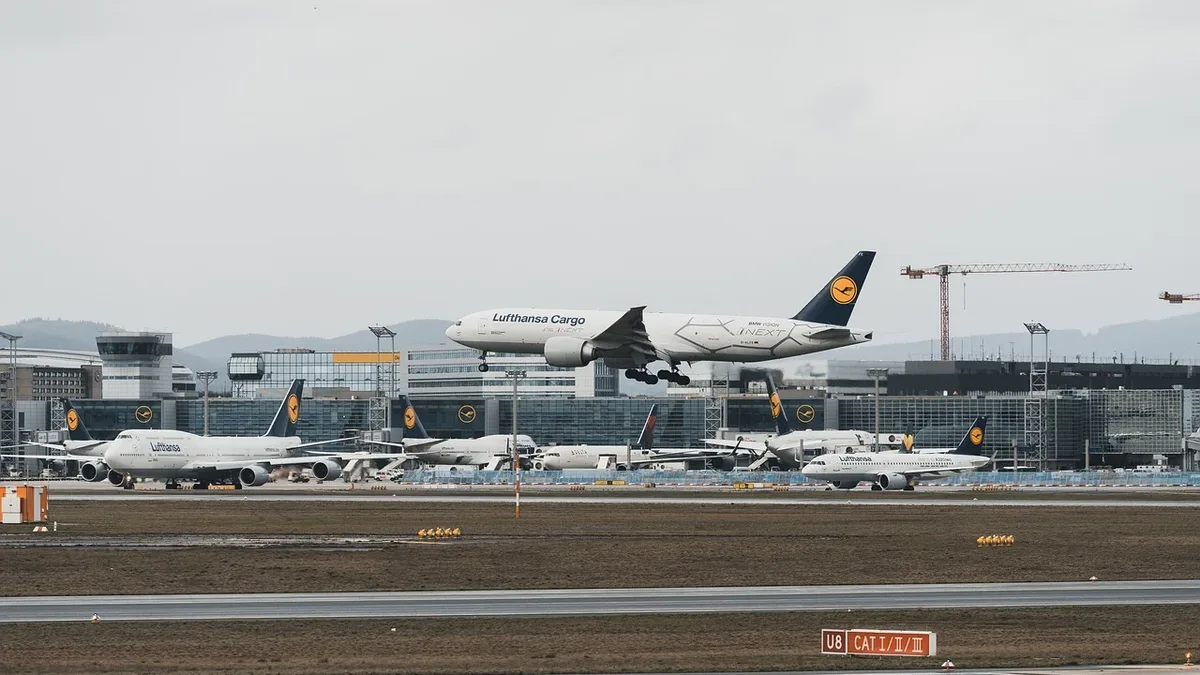
Five Airports Invest Billions To Double Cargo Capacity
Five major global airports are undertaking multi-billion-dollar expansions to more than double their air freight handling capacity by 2030, driven by

Aena Airport Operator's Value Exceeds United Airlines
Spanish airport operator Aena, the world's largest by passenger numbers, was valued over $10 billion more than United Airlines in August 2026.
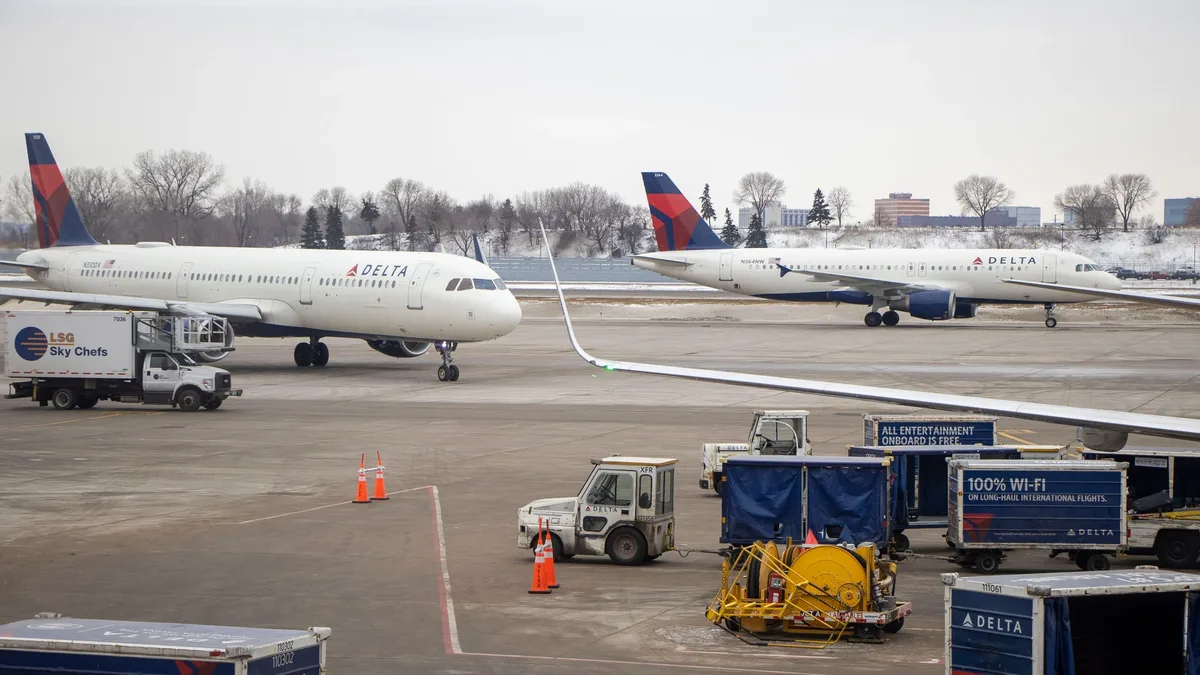
Delta to Restart New York-Tel Aviv Flights September 6
Delta Air Lines will resume daily New York JFK to Tel Aviv flights on September 6, two days before United's return, following a security review...
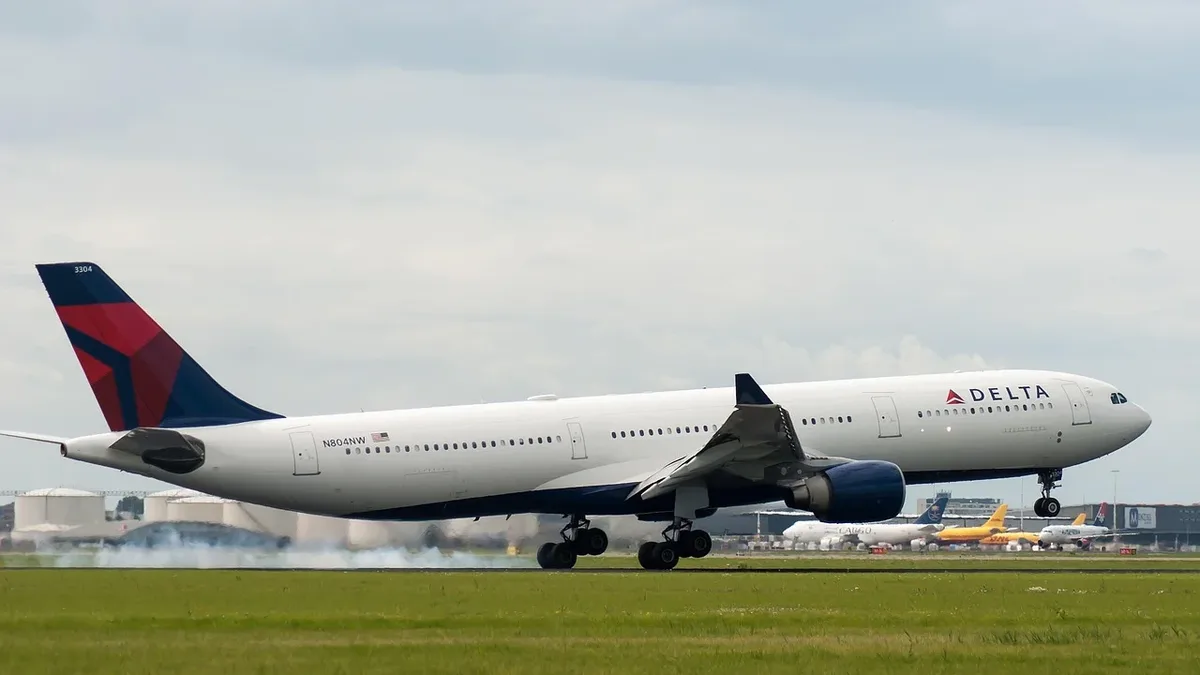
Endeavor Air Requires Passengers to Stow Complimentary Water
Endeavor Air, Delta’s regional subsidiary, instructs First Class passengers to place complimentary water bottles in their carry-on bags before...

Jetstar trial flight lands at Western Sydney Airport
Western Sydney Airport tested systems with a Jetstar A320 and volunteer passengers in a trial flight, 54 days ahead of its October 25 opening.