New Routes
| Recall type | Airport terminal route |
|---|---|
| First created | Late 20th century |
| Original use | Passenger navigation |
| Typical start point | Terminal entrance or security exit |
| Typical end point | Boarding gate or specific facility |
| Route markers | Overhead signage, floor decals |
| Common variations | Direct and scenic routes |
| Navigation aids | Interactive maps, mobile apps |
Origin and history
The concept of dedicated "New Routes" information provision within airports originated in North America and Western Europe during the late 1990s and early 2000s. This development coincided with the rise of low-cost carriers and the expansion of route networks, which increased passenger choice and complexity. Airport operators identified a need to communicate these recent network changes effectively to travelers within the terminal. Initially, this information was disseminated through static flight information displays and basic printed materials. The formalization of "New Routes" as a distinct category of passenger information became more standardized in the first decade of the 21st century. This period saw airports integrating these announcements into digital directories and dedicated sections of their websites.
What it is for
New Routes information serves to inform passengers of recently inaugurated air services operating from that specific airport. Its primary function is to announce new city pairs, whether they are entirely new destinations or new airlines serving existing destinations. This information allows passengers to plan future travel and be aware of additional options when at the airport. It also functions to promote the airport's expanding connectivity, which can influence airline choice and booking decisions for passengers. The information is typically displayed on digital screens, interactive kiosks, and airport websites, often grouped separately from the main flight schedule. For the passenger journey, it provides context for new airline branding, check-in desk locations, and terminal facilities they may encounter.
Pros and cons
A primary advantage of New Routes information is that it empowers passengers with knowledge of the full scope of travel options from their local airport, potentially leading to more convenient or cost-effective trips. It can reduce confusion when passengers encounter unfamiliar airline logos or new destination codes on terminal signage. However, a significant drawback is that this information is often promotional in nature and may not be updated promptly when seasonal routes end or airlines suspend service, leading to passenger frustration. The common mistake for travelers is to assume all advertised new routes represent permanent, year-round schedules, when many are initially launched as seasonal or trial operations. Passengers who rely solely on this airport-provided information without cross-checking with airline schedules may regret it when planning trips for specific dates outside the operational period. Furthermore, the information can clutter passenger information systems, making it harder to find real-time flight status for existing routes.
Who it suits
This information is most useful for frequent travelers from the airport who seek to optimize their travel patterns and are interested in newly available direct flights. It also suits leisure passengers who are flexible with timing and can plan vacations around newly announced destinations, potentially benefiting from introductory fares. Business travelers with recurring travel to a specific region may find value in a new direct service that saves time compared to their usual connecting itinerary. Aviation enthusiasts and individuals involved in local commerce or tourism also utilize this data to track regional connectivity. Conversely, it is less critical for passengers on a tight, immediate journey who are focused solely on navigating their current flight. It holds little value for travelers simply transiting through the airport with no intention of returning, as the information pertains to future origin-based travel.
Latest New Routes news
Latest reporting

Southwest Airlines Expands Hawaii Network With Six New
Southwest Airlines is launching six new nonstop routes to Hawaii from March 2026 to March 2027, with five originating from California airports and...
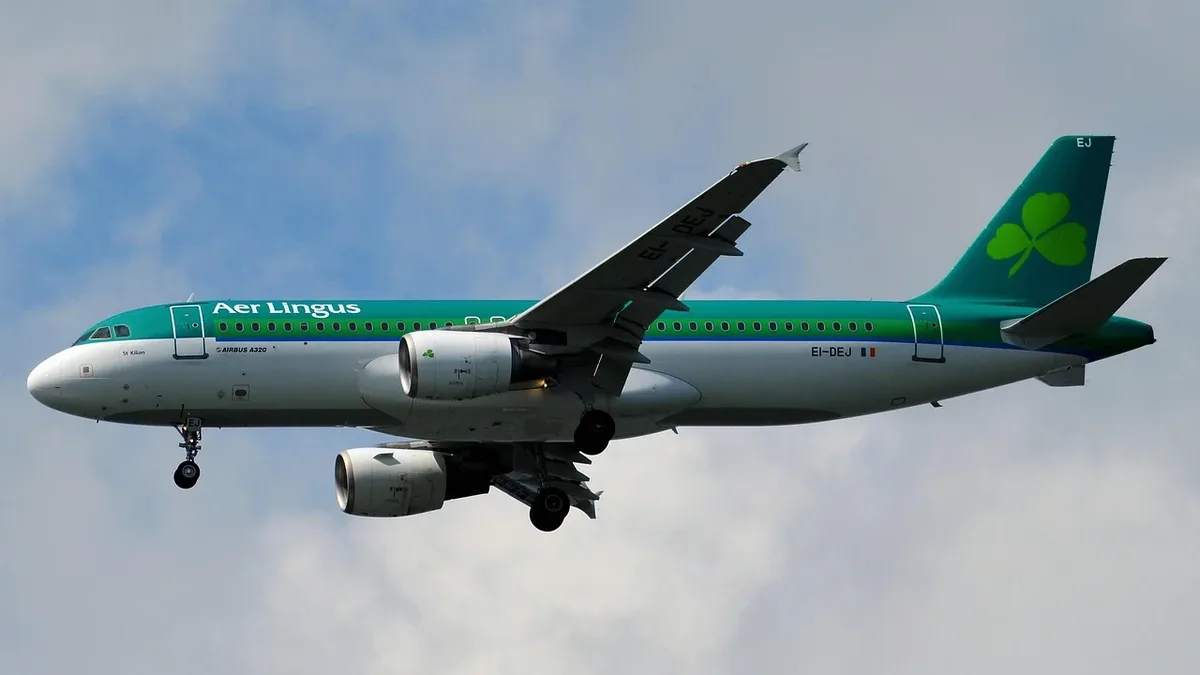
Aer Lingus launches transatlantic business
Aer Lingus is offering business class fares to North America starting from under €2,000. The sale covers routes to cities including Toronto, New...

Virgin Atlantic A330neo delays affect Heathrow-JFK launch
Virgin Atlantic has delayed the launch of its new premium-heavy A330neo aircraft due to production issues at Airbus, pushing back key Heathrow routes...
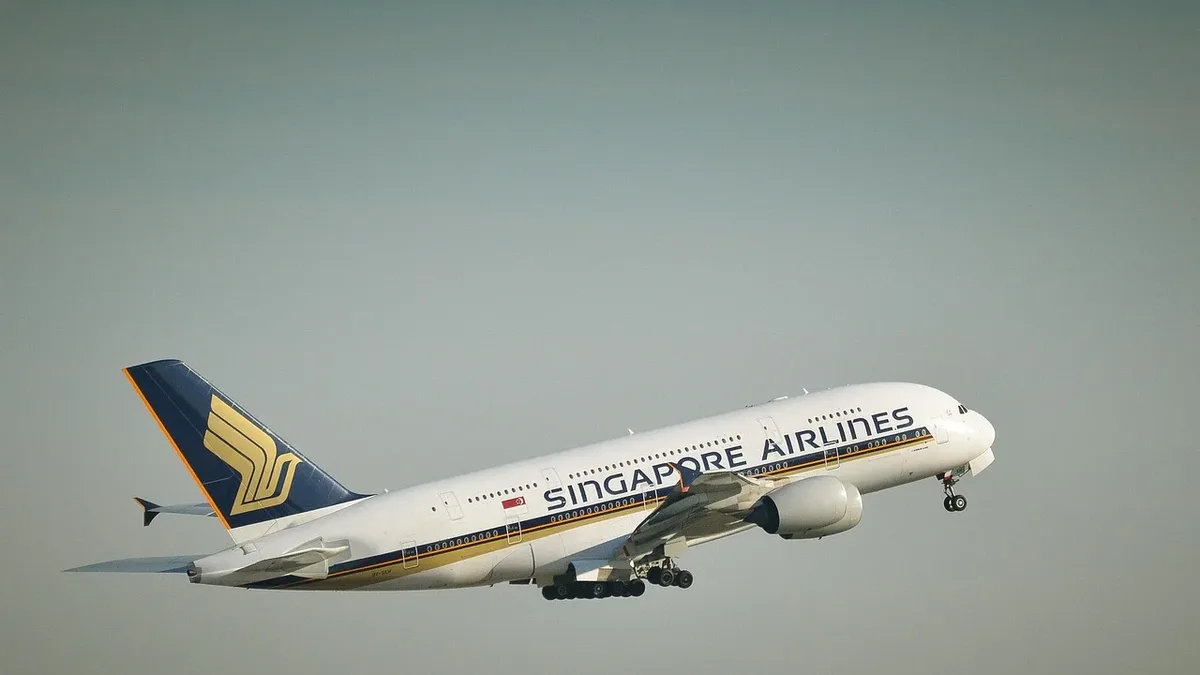
Singapore Airlines Adds Four Long-Haul Routes
Singapore Airlines is launching or restarting four long-haul routes from Singapore Changi Airport in late 2026, including a new service to Western...

Air Canada Announces Five New Routes
Air Canada offers $44,000 in prizes for travelers to guess five new international destinations before its Summer 2027 network is announced on...

Alaska Airlines Cuts 7 Routes, Adds San
Alaska Airlines is canceling seven routes, including three to Puerto Vallarta and two from Santa Rosa, while reinstating a San Jose to Los Angeles...