Southwest Airlines to launch Boeing 737 MAX 7 in March 2027
Southwest Airlines will begin passenger service with the Boeing 737 MAX 7 in March 2027, modernizing its fleet with 150-seat cabins featuring Starlink Wi-Fi and enabling expanded overwater routes.
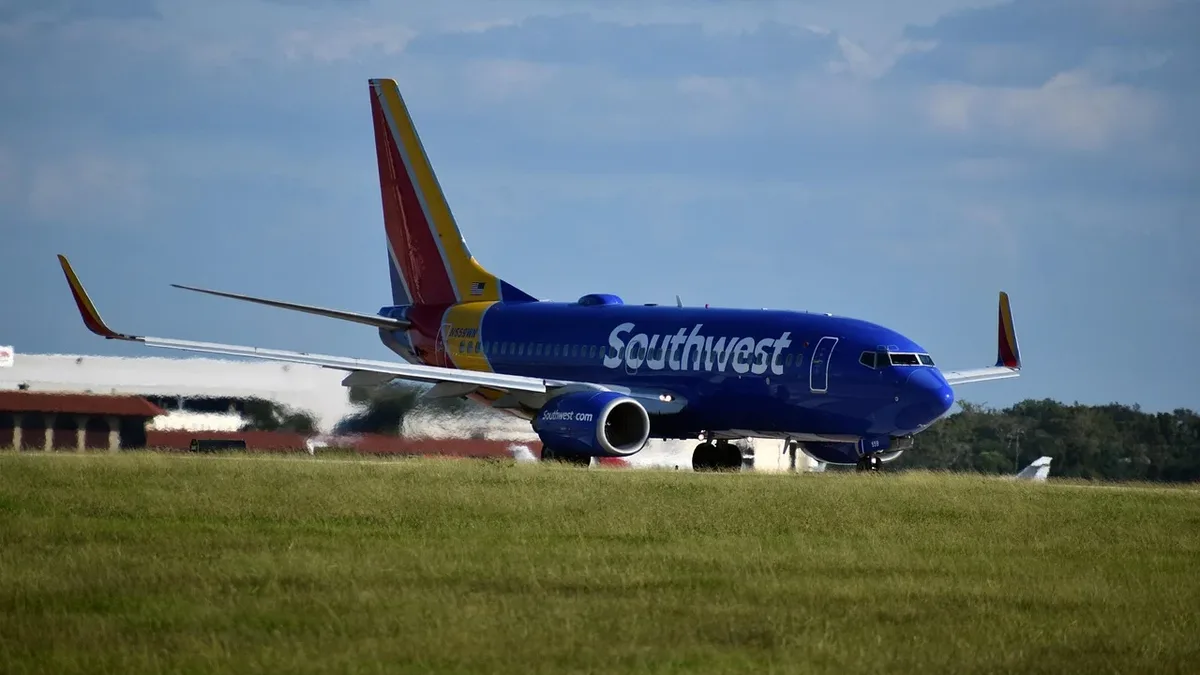
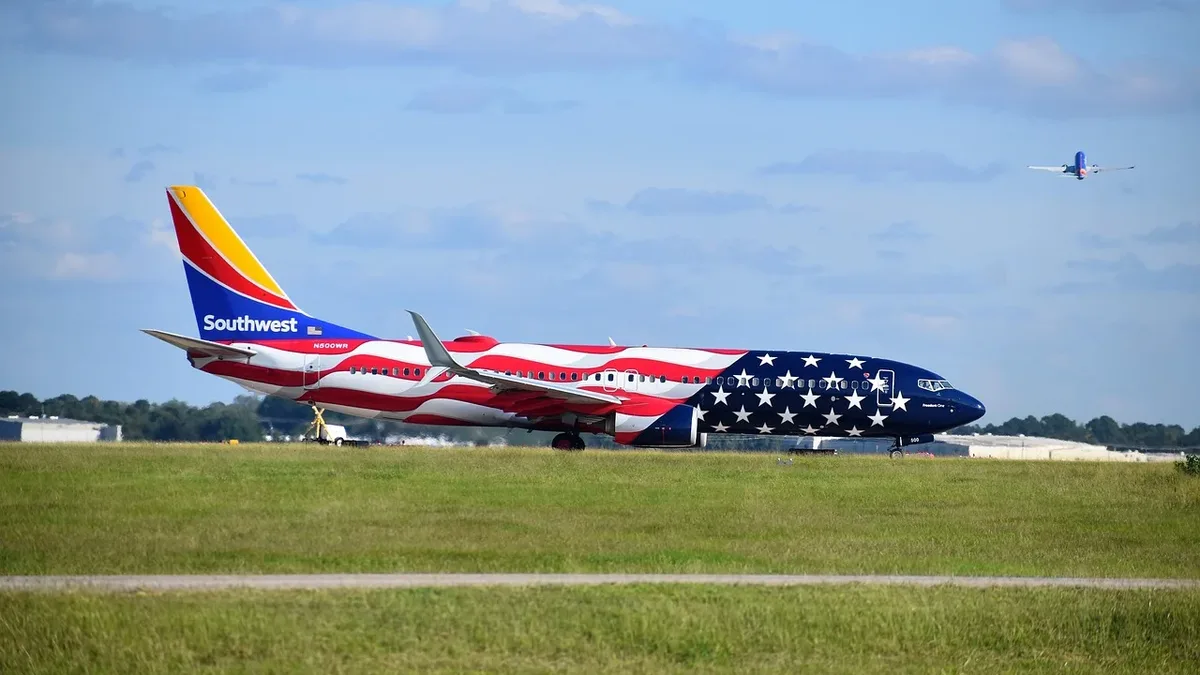
Southwest Airlines will begin passenger operations on its Boeing 737 MAX 7 aircraft in March 2027. The launch follows FAA certification and a delivery schedule starting in late 2026.
The airline intends to publish schedules for the new aircraft by the end of 2026. Passenger service is slated for March 2027, though the schedule remains subject to change.
Fleet modernization and delivery timeline
Southwest expects to accept the first of 27 prebuilt MAX 7 aircraft in mid-to-late December 2026. Newly manufactured examples are scheduled to begin arriving from February 2027.
Configuration, maintenance, and other preparatory work will take place at Paine Field, Phoenix, and Kansas City. Each prebuilt aircraft must complete at least five post-preparation flights before entering service. These include a simulated extended overwater operation lasting more than 3.5 hours. A rollout document lists '+90 flights' across the fleet to keep delivered aircraft ready for commercial use.
The FAA granted the Boeing 737 MAX 7 type certification on August 3, 2026. Southwest still requires training, inspections, documentation, and validation flights with FAA personnel before launching the jet.
Cabin configuration and passenger capacity
The MAX 7 will feature a 150-seat Recaro configuration. This represents a significant capacity increase over the older 737-700s it is set to replace.
| Aircraft Model | Seat Count | Capacity Increase vs. 737-700 |
|---|---|---|
| Boeing 737-700 | 137 seats | Baseline |
| Boeing 737 MAX 7 | 150 seats | +13 seats (9.5%) |
Southwest's earlier investor presentation indicated a 148-seat layout, meaning the final design accommodates two additional passengers. US regulations generally require an additional flight attendant for aircraft with 151 or more seats. By stopping at 150 seats, the airline avoids adding crew.
Enhanced passenger amenities and connectivity
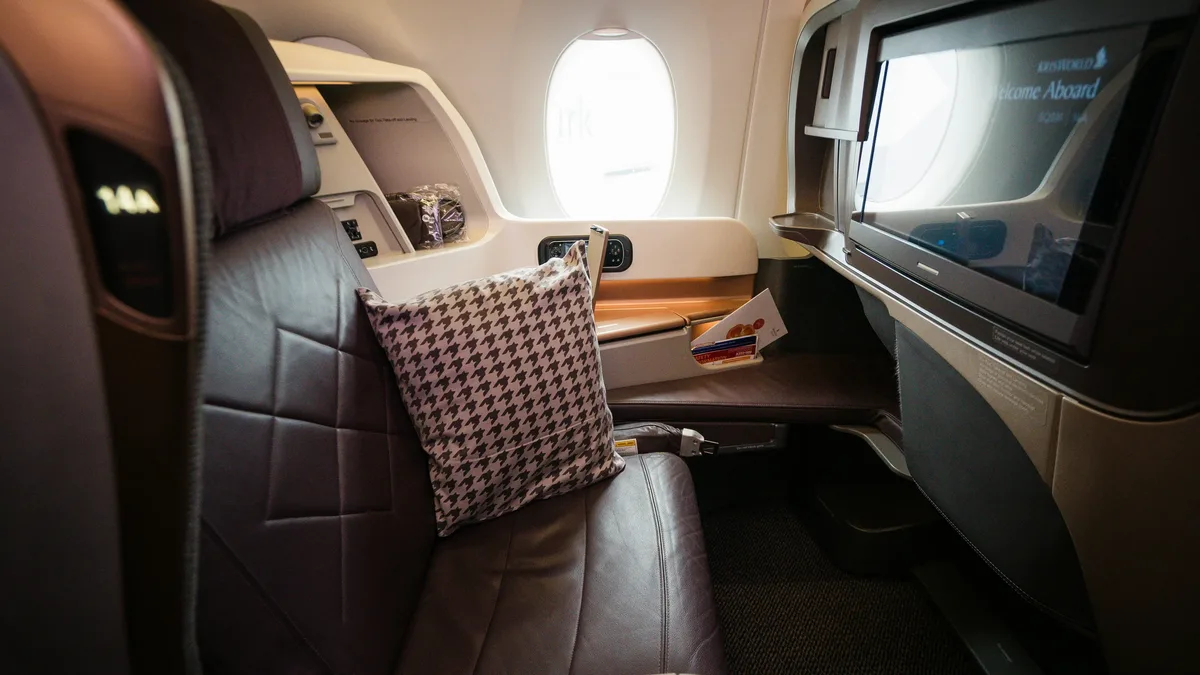
The new cabin introduces several upgraded features for the passenger journey. Each aircraft will be equipped with Starlink Wi-Fi, in-seat power, and larger overhead bins. The interior is refreshed and includes designated extra-legroom seating.
A key improvement is the addition of a third lavatory, up from two on Southwest's existing 737-700s. Two bathrooms are located at the back of the aircraft. The jet will also feature two exit rows. Other installed items include a secondary physical barrier for the flight deck, cockpit power, locks for crew overhead bins, and a prerecorded announcement and music system. The aircraft has no first-class seating.
View From The Wing noted that "the first aircraft are expected to arrive later this year and feature new seats, Wi-Fi, in-seat power, and larger overhead bins." Southwest plans to install Starlink fleet-wide by fall 2027.
Extended overwater operations and route expansion
The MAX 7's capabilities will enable Southwest to conduct extended overwater missions. The first 27 examples can gradually take over these flights from older Boeing 737-800s.
This opens potential for network development on routes like Phoenix-Hawaii, Las Vegas-Hawaii, and Burbank-Honolulu. The aircraft is intended to serve routes that do not require larger aircraft, preserving operational flexibility below 175 seats.
Southwest has accumulated a substantial order book for the type. Its October 22 order position includes 240 undelivered MAX 7s, 201 undelivered MAX 8s, and 130 options, with contracts extending through 2031. The airline expects 67 deliveries and roughly 60 retirements in the current year. It had 271 Boeing 737-700s at September 30, with an average age of 20 years. Passenger service will commence in March 2027 following delivery of the first 27 prebuilt aircraft and completion of required validation flights.