FTC Probes Airlines Over Personalized Fare Pricing
The Federal Trade Commission has ordered Delta, United, and JetBlue to explain their fare-setting methods within 45 days.
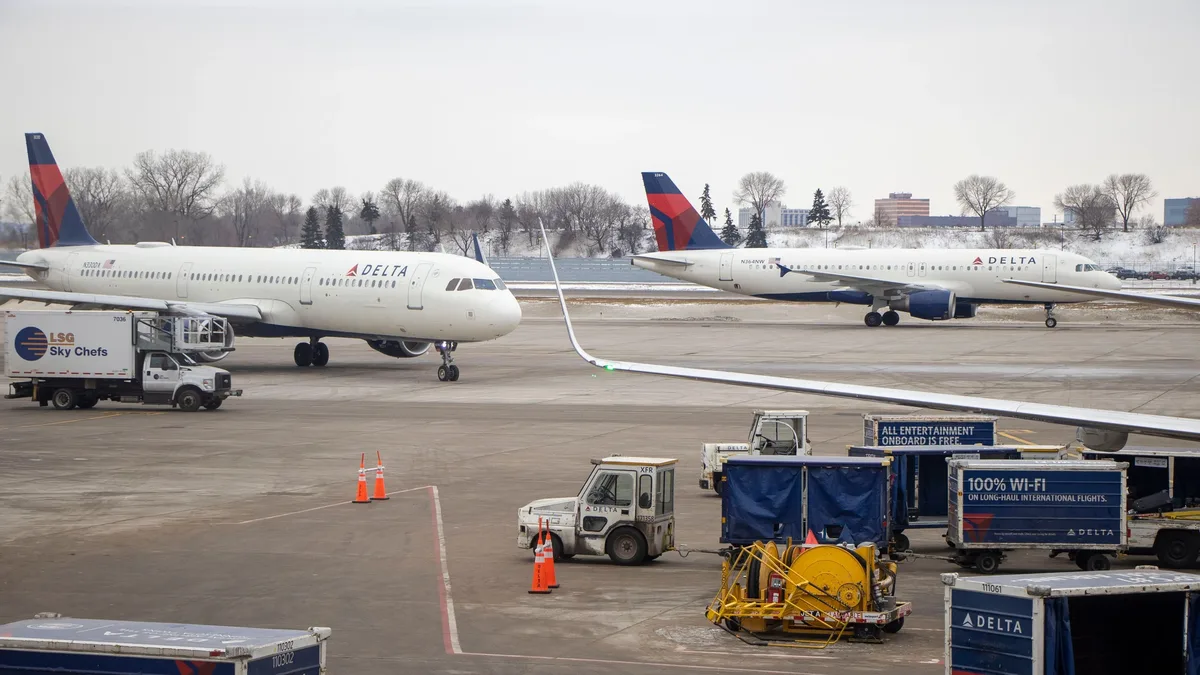
The Federal Trade Commission has ordered Delta Air Lines, United Airlines, and JetBlue to explain how they set ticket prices within 45 days. This is part of a broader probe into whether personal data is used for individualized fare pricing. The inquiry does not establish any unlawful conduct. It is based on Section 6(b) of the FTC Act, which allows studies of opaque pricing methods.
The investigation examines whether prices vary between consumers based on factors like loyalty-program participation and personal information. Companies must identify the tools and data inputs involved in any pricing methods that use personal information. They must also determine whether these inputs vary by individual or customer group and how they affect the final price. Most requests cover activity from January 1, 2023, onward, with some research and testing data requested back to 2021.
The requests cover third-party suppliers, testing, consumer disclosures, and the effects of these methods on prices and revenue. The probe examines not only base ticket prices but also discounts, promotions, paid upgrades, targeted fare sales, and loyalty program memberships such as Delta SkyMiles, United MileagePlus, and JetBlue TrueBlue.
Scope of the investigation extends beyond airlines
The FTC's inquiry also targets nine non-airline companies. These include Uber, Lyft, DoorDash, Instacart, Target, and Walmart. The investigation is examining potential use of personal data in their pricing strategies as well.
FTC emphasizes consumer transparency and data use
FTC Chairman Andrew Ferguson stated that consumers deserve to know if companies use web surfing habits or other personal data to estimate the highest price they can charge each consumer. The agency had already sought public comment in August on a proposed personalized-pricing enforcement policy. It stated that undisclosed use of personal information to set an individual price could violate the FTC Act. Ferguson acknowledged the commission lacks authority to ban personalized pricing in every circumstance.
Airlines deny using personal data for individualized pricing
Delta and JetBlue have denied using personal customer data to set individualized fares. Delta described its pricing process as responding to demand, competitors, and aggregated purchasing data. It has partnered with Israeli AI company Fetcherr. Delta's EVP and Chief External Affairs Officer, Peter Carter, stated that the AI tool receives only route-level demand and market information and that published fares do not take any customer's personal data into account. Delta stated it did not share personal information with Fetcherr.
JetBlue stated that demand and seat availability determine its fares and that all customers can access the same fares. The airline faces a class action lawsuit related to a social media exchange where it advised a customer with a $230 fare increase to clear cookies or use an incognito window. JetBlue maintains its fares are determined by demand and seat availability and are the same for everyone booking through its website and app.
Legal and regulatory context of the inquiry
The FTC does not have direct enforcement authority over airlines. Any penalties would be handled by the U.S. Department of Transportation. Transportation Secretary Sean Duffy said the DOT would engage very strongly if any airline used AI to individually price seats. The FTC can seek to compel compliance in federal court if recipients fail to respond.
American Airlines is not part of this FTC investigation. Its CEO Robert Isom stated that using AI to determine fares on an individual basis is not appropriate and constitutes a bait-and-switch approach. Senator Ruben Gallego’s One Fair Price Act, introduced in December, would ban surveillance pricing and give the FTC enforcement powers over airlines.
A 2021 technical paper by IATA's Sébastien Touraine distinguishes controlling preset fare availability through booking classes from calculating prices dynamically. The paper treats the selection of products in an offer as a separate decision from setting their prices. An individualized price based on personal information requires a further connection: data about the shopper must influence the amount offered for the product. The companies must respond to the FTC's information request within 45 days, with potential court action if compliance is not achieved.