Prayer Rooms, Quiet Rooms And Sensory Spaces
| Location | Terminal and concourse/gate area |
|---|---|
| Accessibility | Open to all passengers and visitors |
| Supervision | Unstaffed or monitored by airport operations |
| Amenities | Prayer mats, religious texts, seating, wash facilities (varies) |
| Ambiance | Low lighting, minimal noise, separation from main concourse |
| Purpose | Prayer, meditation, respite from sensory overload |
| Availability | 24/7 or during airport operating hours |
Origin and history
The provision of dedicated prayer rooms in airports has its origins in the late 20th century, largely driven by the needs of Muslim travelers for a space to perform obligatory prayers. This practice became more widespread in international airports across the Middle East and Asia from the 1980s onward, before spreading to major hubs in Europe and North America. The concept of a multi-faith or interfaith prayer room, designed to accommodate various religions, emerged as a subsequent development in many Western airports. Quiet rooms, intended for non-religious meditation, stress relief, or simple respite from the terminal bustle, became a more common feature from the 1990s, influenced by growing awareness of passenger well-being. Sensory rooms, specifically designed for passengers with autism, dementia, or other cognitive disabilities, are a much more recent innovation, pioneered in the 21st century. The first dedicated airport sensory rooms were established in the 2010s, with their adoption accelerating in the following decade as part of broader accessibility initiatives.
What it is for
A prayer room is a dedicated space intended for religious observance, which may be a single multi-faith room or separate rooms designated for specific religions. These spaces typically provide a clean, respectful area for prayer, with features like directional markers, prayer mats, and ablution facilities often present for Muslim users. A quiet room serves a secular purpose, offering a peaceful environment for meditation, reflection, or a mental break from the sensory overload of the terminal without any religious iconography. Sensory spaces are specifically engineered environments that allow passengers with sensory processing challenges to regulate their input through controlled lighting, tactile surfaces, and soothing visual displays. The core function of all three room types is to provide a sanctuary within the high-stress, public environment of an airport terminal, addressing different aspects of passenger comfort and need. Their placement is strategic, often found in departure lounges post-security, but sometimes also in public areas or near arrival gates, to support passengers at various stages of their journey.
Pros and cons
A significant pro is that these rooms directly address diverse passenger needs for spiritual practice, mental calm, or sensory regulation, which can be crucial during long layovers, flight delays, or before stressful journeys. They enhance the airport's accessibility and inclusivity, signaling a commitment to accommodating passengers with disabilities, religious obligations, or high anxiety. A common con is inconsistent availability, where major hubs may offer all three types while smaller regional airports might have none or only a single multi-purpose room that fails to fully serve any group. Even when present, these rooms can suffer from poor maintenance, being used incorrectly as nap spaces or meeting rooms, or being difficult for passengers to locate due to inadequate signage. The multi-faith prayer room model, while pragmatic, can sometimes lead to discomfort if the space's design or usage protocols inadvertently favor one religion over another or cause conflicts between users. Passengers who seek absolute silence for meditation may regret choosing a quiet room if it is adjacent to a noisy service corridor or if other occupants are not adhering to posted etiquette.
Who it suits
Prayer rooms suit passengers of any religion who wish to observe prayer times or engage in private worship during their travel, with particular importance for Muslim travelers whose faith requires specific ritual prayers at set intervals. Quiet rooms are suited to any traveler feeling overwhelmed by the airport environment, including anxious flyers, passengers recovering from long-haul flights, or individuals simply seeking a few minutes of solitude without digital distraction. Sensory spaces are specifically designed for neurodivergent passengers, such as those on the autism spectrum, as well as individuals with dementia, PTSD, or other conditions that can make crowded, loud, and bright terminals profoundly distressing. These rooms also benefit accompanying family members or caregivers, providing a predictable and safe environment to help manage potential meltdowns or anxiety before boarding. Business travelers on tight connections are less likely to use these facilities, whereas passengers with extended wait times, such as those on long layovers or experiencing significant delays, are the primary users. Ultimately, these facilities suit any passenger whose journey would be improved by access to a controlled, purpose-built environment that the standard terminal seating and amenities cannot provide.
Latest Prayer Rooms, Quiet Rooms And Sensory Spaces news
Latest reporting

Hotel Riomar Ibiza review: Marriott's
Hotel Riomar in Ibiza, a Tribute Portfolio hotel, reopened in 2021 after a refurbishment. The 1968-built beachfront property has 112 rooms and four...

American Airlines Lounges
American Airlines is opening its exclusive Flagship First Class dining rooms to business class passengers
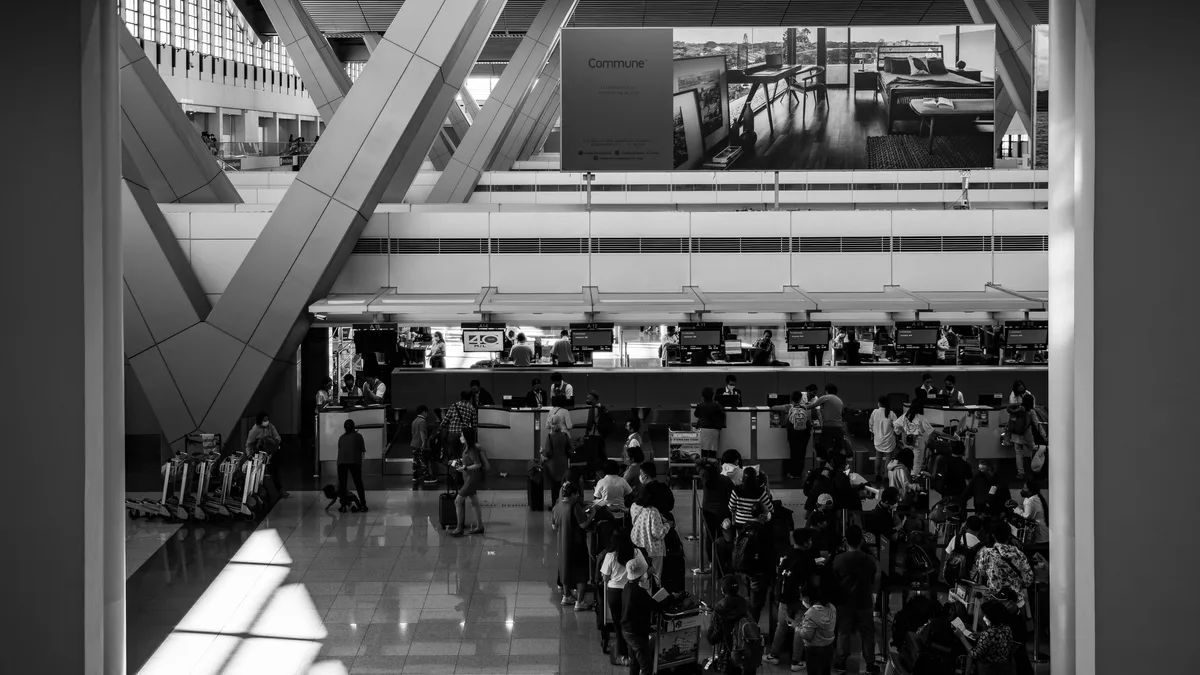
Digitally Steerable Column Arrays Solve Reverberant Space Challenges
Reverberant spaces such as churches, airports, and train stations pose significant challenges for audio system design. Digitally steerable column...