Airline Ceased Trading
| Passenger status | Stranded or holding tickets for future travel |
|---|---|
| Ticket validity | Typically invalid for travel |
| Refund eligibility | Usually via original payment method or travel insurance |
| Re-accommodation | Not provided by the ceased airline; other airlines may offer goodwill fares |
Origin and history
The term "Airline Ceased Trading" originates from the commercial aviation industry in the late 20th century, becoming more prevalent with the deregulation and subsequent increase in airline competition. It is a formal legal and commercial status, not a specific product or service created at a single point. The concept evolved alongside modern bankruptcy and insolvency laws as they apply to air carriers. Its common usage in passenger-facing contexts grew with the rise of budget airlines and online booking in the 1990s and 2000s. The phrase denotes the point at which an airline can no longer operate flights or meet its financial obligations. This status is a critical event within the global air transport system's operational and regulatory framework.
What it is for
This status serves as the definitive public declaration that an airline has terminated its commercial operations permanently. Its primary function is to trigger a cascade of predefined regulatory and operational protocols across the aviation ecosystem. For passengers, it invalidates all future travel bookings with the airline, rendering tickets worthless for transportation. For airports, it initiates the reallocation of gates, check-in desks, and landing slots previously assigned to the defunct carrier. For handling agencies and service providers, it signals the cessation of all contracts and service agreements. The declaration fundamentally reshapes the passenger journey, transforming planned travel into a scenario of seeking alternatives or refunds.
Pros and cons
A primary pro of a clear "ceased trading" declaration is that it provides certainty, ending ambiguity and allowing all parties to enact contingency plans without delay. It can also protect assets for an orderly administration process, potentially benefiting creditors. However, the cons are severe and overwhelmingly impact passengers and employees. Passengers are immediately stranded, either at airports mid-journey or at their point of origin with worthless tickets. Common mistakes include passengers arriving at the airport entirely unaware of the situation, having missed communications, and finding all services shuttered. Those who booked through third-party agents often face complex, delayed refund processes and regret not using more secure payment methods. The abrupt termination typically leaves little to no provision for passenger care, transferring the entire burden and cost of rebooking onto individuals.
Who it suits
This status suits administrators and regulators who require a clear legal demarcation to begin insolvency proceedings and protect the remaining assets of the company. It is a necessary, though blunt, instrument for the financial and legal systems to formally dissolve the airline's operating entity. It does not suit passengers in any circumstance, as it represents a total failure of the service they paid for. It particularly disadvantages infrequent travelers, those on tight budgets, and people without comprehensive travel insurance, who are least equipped to absorb the financial shock and navigate the recovery process. The status also severely disadvantages the airline's employees, who face immediate job loss without the prospect of operational continuity. Ultimately, it is a terminal administrative designation that benefits the structured unwinding of a business but offers no advantage to its customers.
Latest Airline Ceased Trading news
Latest reporting
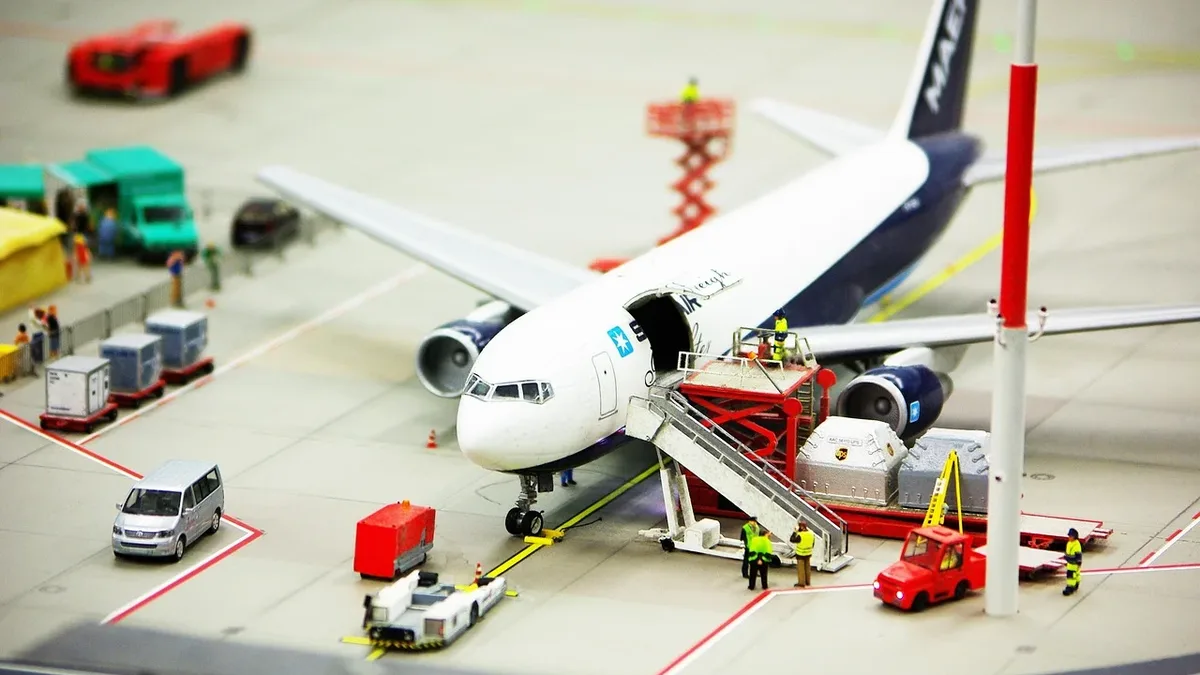
Senator Tuberville Furry Airline Workers Controversy
Senator Tommy Tuberville claimed many aviation professionals are part of the furry fandom, posing a safety risk, sparking debate amid his Alabama...
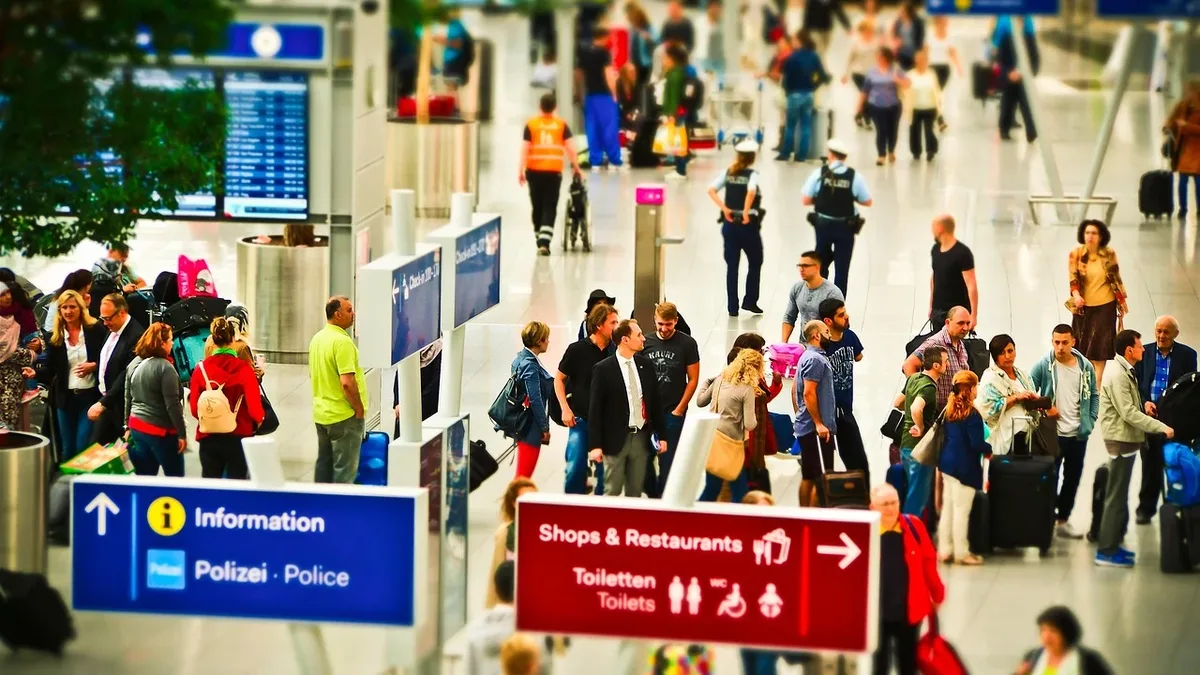
Airports Must Link Systems to Cut Passenger Delays
Industry reports argue that connecting existing airport and airline systems, not new technology, is key to reducing queues and baggage mishandling.
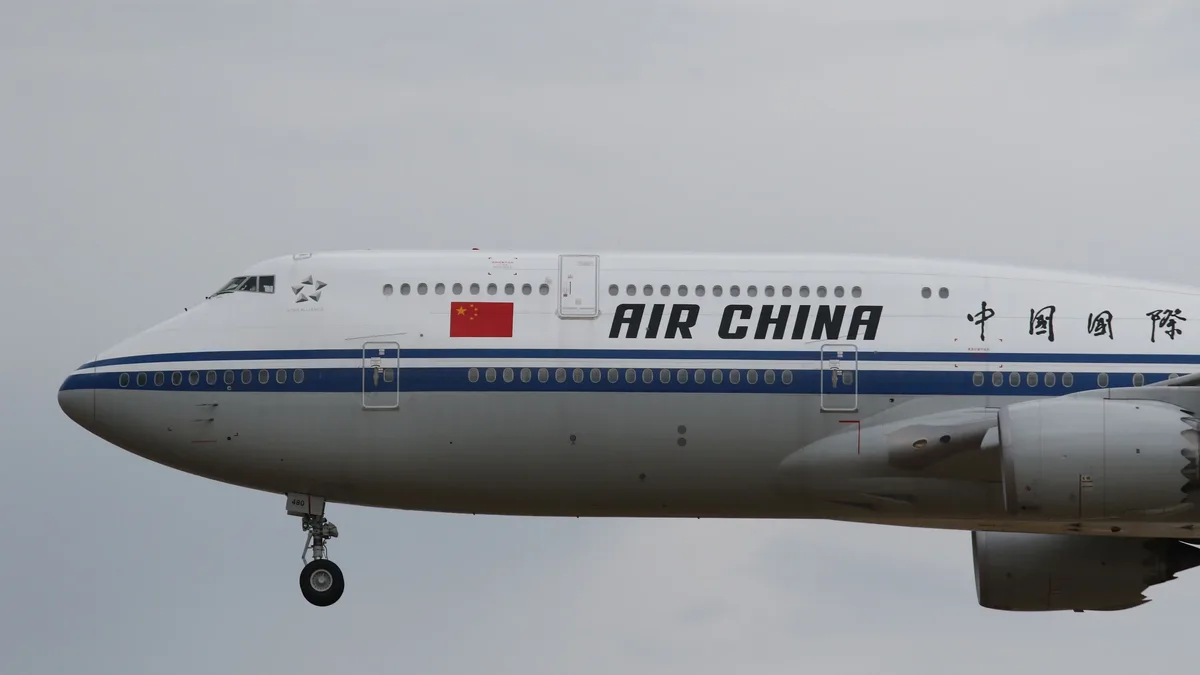
US Airlines Oppose Air China's Bid for Extra US Flights
A US airline trade group is opposing Air China's request for two extra weekly flights to Washington and New York, fearing it would set a precedent...
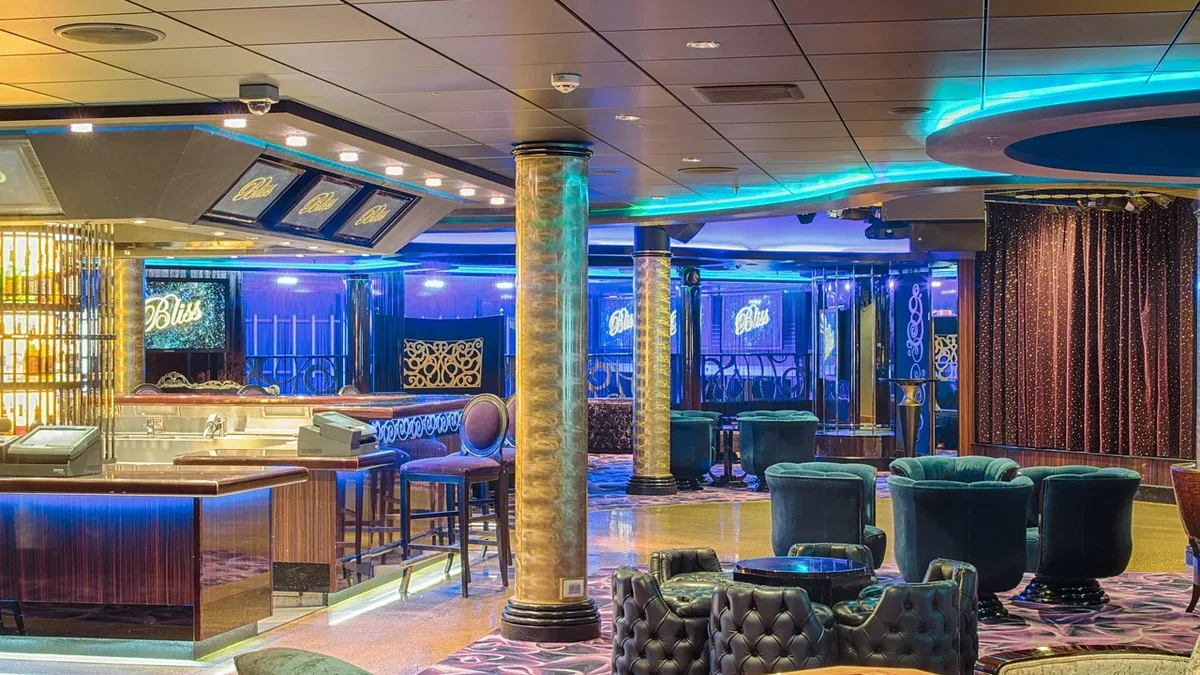
Iberia opens new Sorolla Emerald Lounge in Madrid Terminal 4
Iberia has officially opened its new Sorolla Emerald Lounge in Madrid's Terminal 4. The 800-square-metre facility is designed for the airline's...
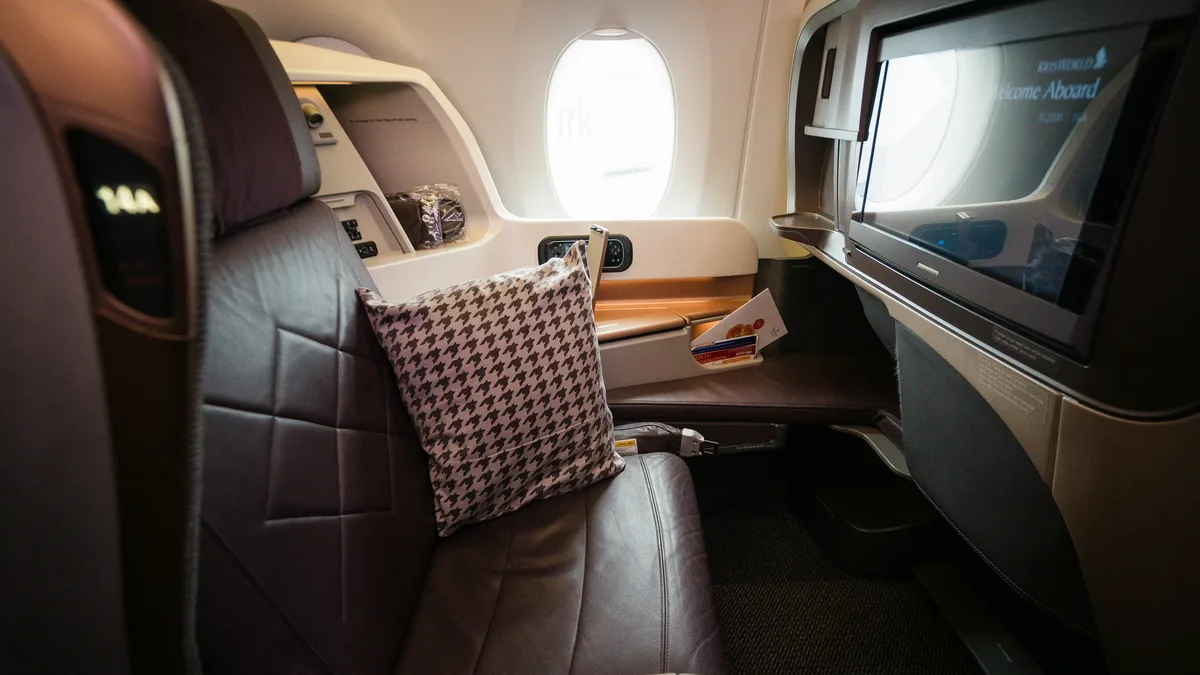
Iberia to retrofit fleet with new business
Iberia's Chief Customer Officer Beatriz Guillen confirmed the airline will introduce a new, unique business class seat across its long-haul fleet...
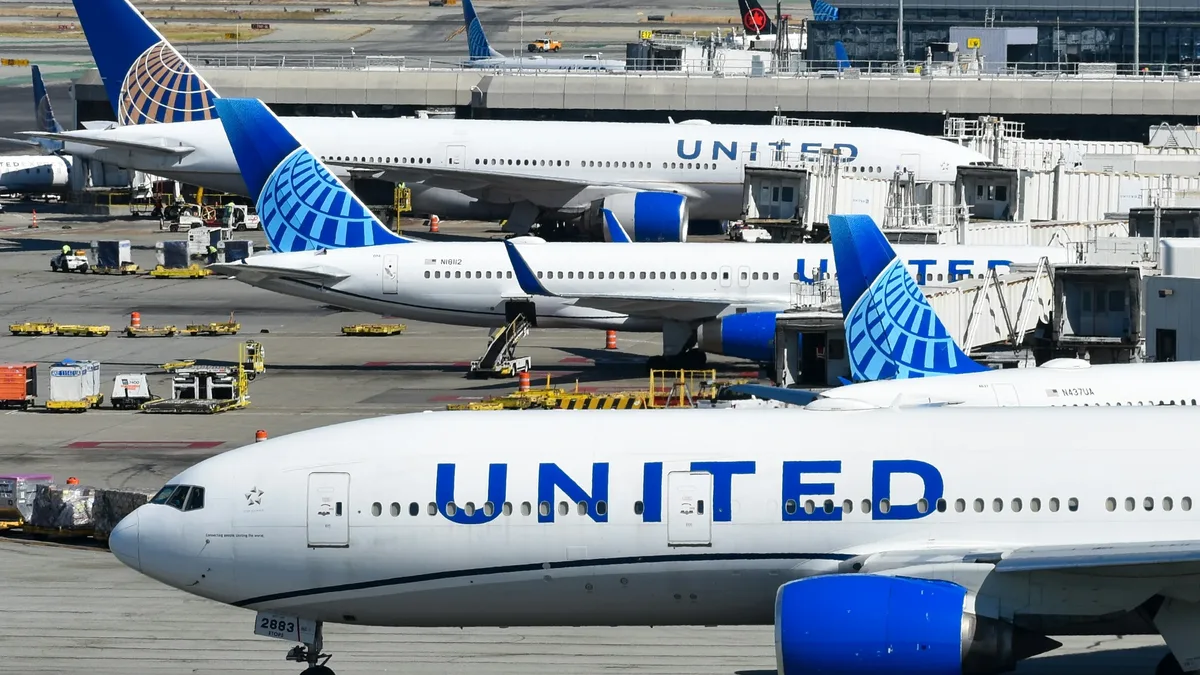
United Airlines to Open Two New Flight Attendant Bases
United Airlines is opening two new flight attendant bases, bringing its total to 10 domestic locations. The airline has not revealed the cities, but...