Route Cuts
| Route type | Passenger transit route within an airport |
|---|---|
| Original use | To provide a shortcut for passengers transferring between flights |
| Typical location | Airside, connecting terminals or concourses |
| Signage | Clearly marked with standard airport pictograms and directional text |
| Access requirement | Typically requires passengers to be through security |
| Usage condition | Often time-sensitive, available only during certain operational hours |
| Physical form | Can be a dedicated corridor, shuttle bus, or automated people mover |
Origin and history
Route Cuts is a passenger processing methodology that originated in North American and European airport operations in the late 1990s. Its development was a direct response to the increasing pressure on terminal capacity and growing passenger numbers during that decade. The concept emerged from operational research into passenger flow dynamics and queue theory, rather than from a single patented invention. It was first formally documented and named in aviation industry white papers and conference proceedings in the early 2000s. The methodology gained significant traction following the security reforms after 2001, which created new bottlenecks in passenger journeys. Its principles have been iteratively refined over the last two decades through application in hub airports worldwide.
What it is for
Route Cuts is a design and operational strategy for physically separating or "cutting" passenger streams within an airport terminal based on specific journey attributes. Its primary purpose is to reduce congestion and processing times by preventing unnecessary mixing of passenger groups with different requirements. The system is used to delineate clear, dedicated pathways for passengers, such as separating connecting travelers from those originating their journey at the airport. It also applies to creating distinct lanes for passengers with different documentation statuses, like known crew members or those eligible for expedited security. Furthermore, Route Cuts is implemented to manage the flow of passengers needing special assistance away from main thoroughfares. The strategy extends to segregating arriving international passengers who must clear customs from domestic passengers accessing baggage claim.
Pros and cons
A primary advantage of Route Cuts is a measurable reduction in average passenger processing time and a decrease in perceived crowding, leading to a less stressful terminal environment. It allows airport resources, such as security lanes and immigration desks, to be tailored more efficiently to the specific needs of each segmented passenger group. However, a significant con is that the system requires substantial upfront capital investment in permanent terminal infrastructure, including walls, signage, and separate corridor systems. Passengers who misunderstand the signage or find themselves in the wrong stream can experience considerable frustration and delays, sometimes missing flights as they backtrack. The rigidity of physical cuts can also make terminals less adaptable to sudden operational changes, like the closure of a concourse or a spike in a particular type of traffic. A common mistake in implementation is creating cuts that are too early or too deep in the journey, forcing long, inconvenient detours that negate any time saved at the processing point itself.
Who it suits
Route Cuts suits large hub airports with high volumes of connecting passengers, where separating local and transfer traffic is critical for operational efficiency. It is particularly effective for airports operating a significant number of international flights, requiring clear segregation between sterile and non-sterile areas and distinct flows for customs processing. This methodology suits airports with the physical space and financial capacity to build and maintain the necessary permanent infrastructure without compromising future expansion flexibility. It is less suited to small regional airports with simple, point-to-point passenger journeys where all travelers follow essentially the same path. The system also suits airlines and alliances that base their operations at a specific terminal and can benefit from dedicated, streamlined processes for their customers. Ultimately, Route Cuts is for airport operators who prioritize predictable, scalable passenger throughput over terminal layout flexibility and who have the data to accurately forecast long-term passenger flow patterns.
Latest Route Cuts news
Latest reporting
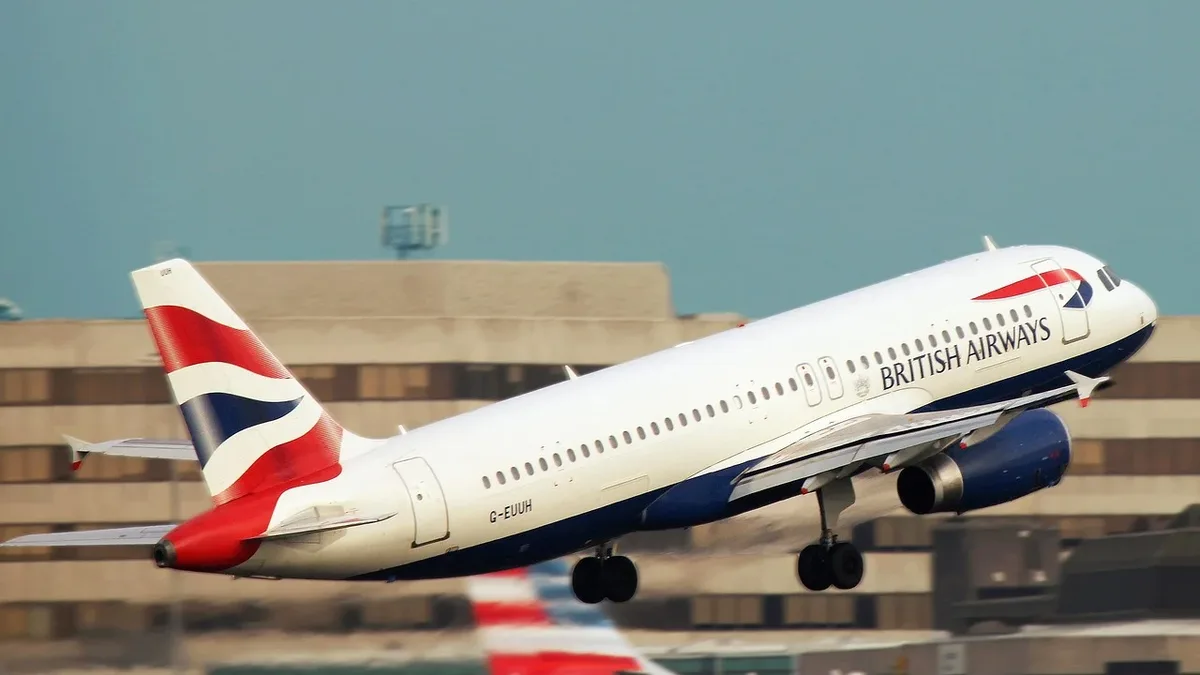
British Airways Adds Kilimanjaro and Zanzibar from Gatwick
British Airways will launch a triangular route from London Gatwick to Kilimanjaro and Zanzibar in Tanzania in May 2027, operating three times weekly...
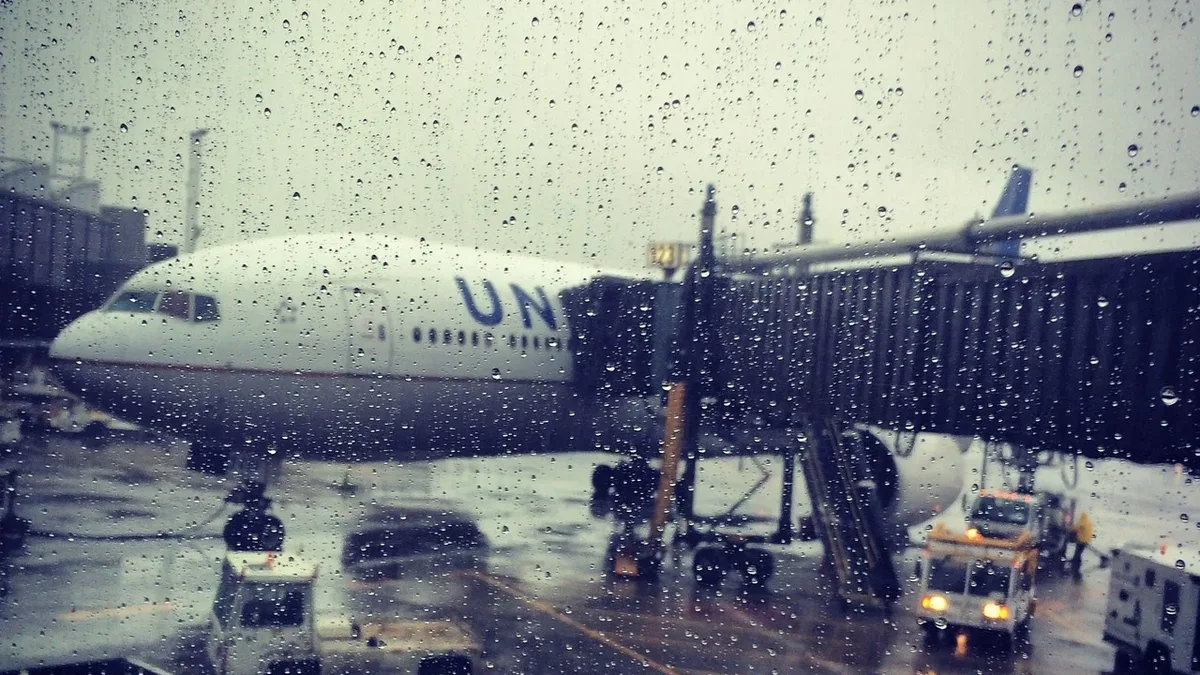
United Airlines Suspends Newark-Dubai Route
United Airlines has suspended its 15-hour long-haul route from Newark Liberty International Airport to Dubai International Airport due to the ongoing...
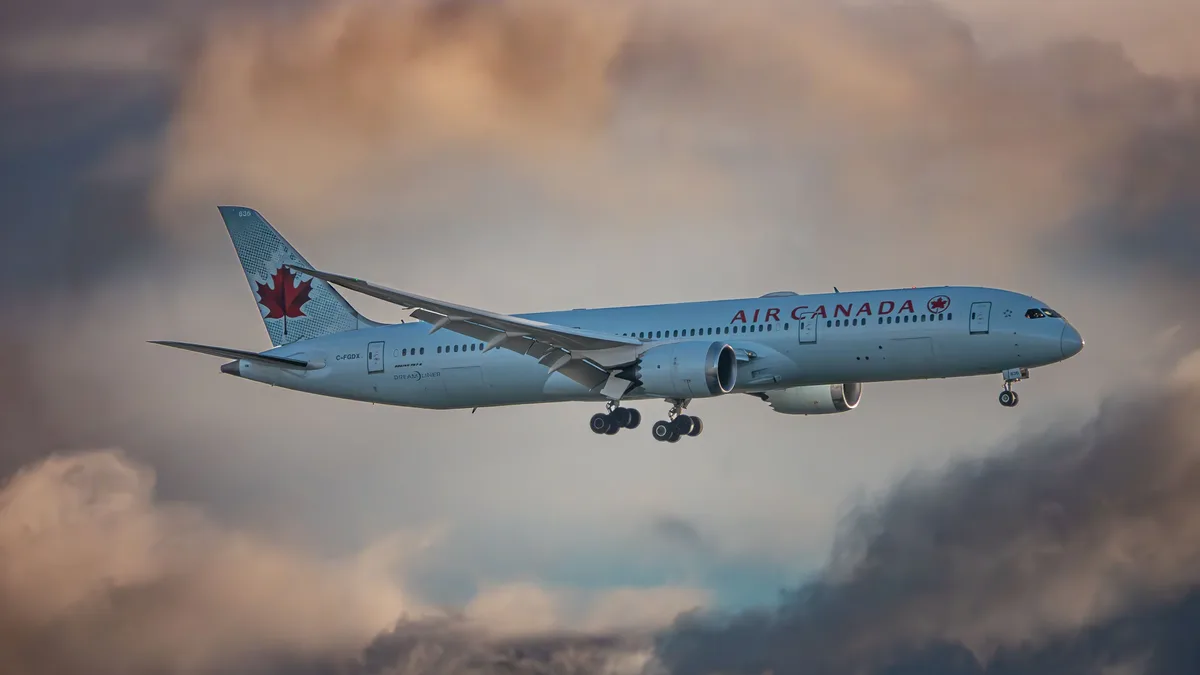
Air Canada Adds Daytime A321XLR Heathrow Route From 2027
Air Canada will launch a unique daytime 'daytripper' service between Toronto and London Heathrow in 2027 using new Airbus A321XLR aircraft, offering...
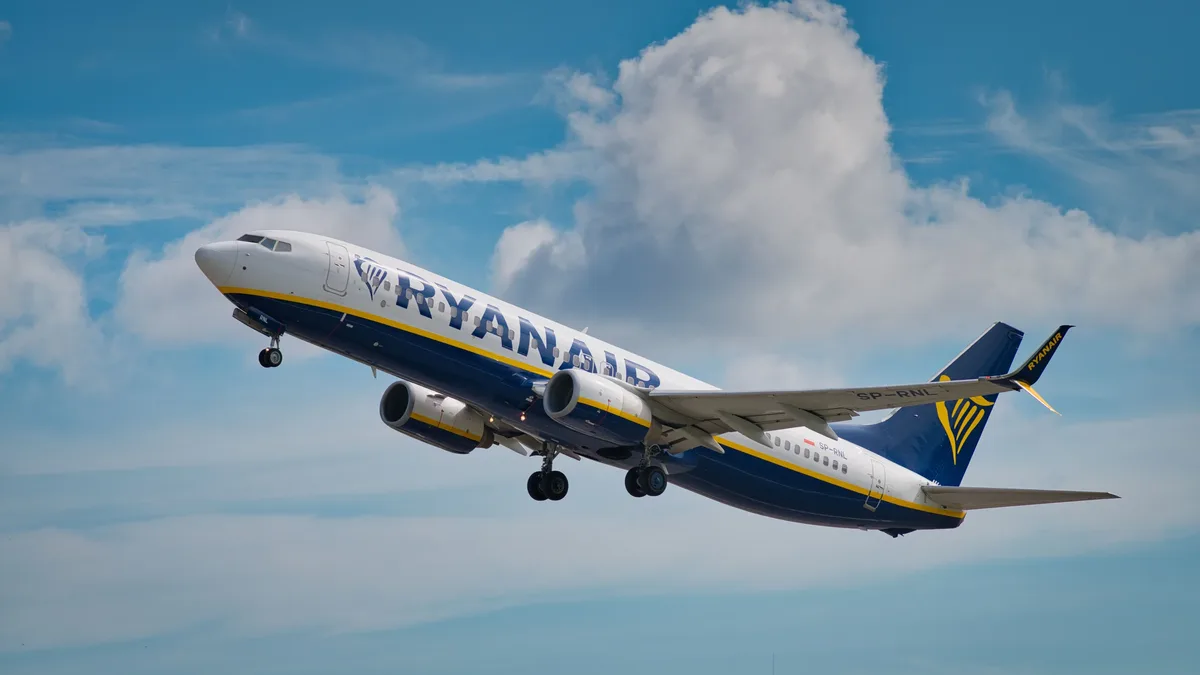
Ryanair Cuts Flights as Fuel Prices Soar
Ryanair is reducing its winter flight schedule and passenger targets, citing high jet fuel prices of nearly $140 per barrel.
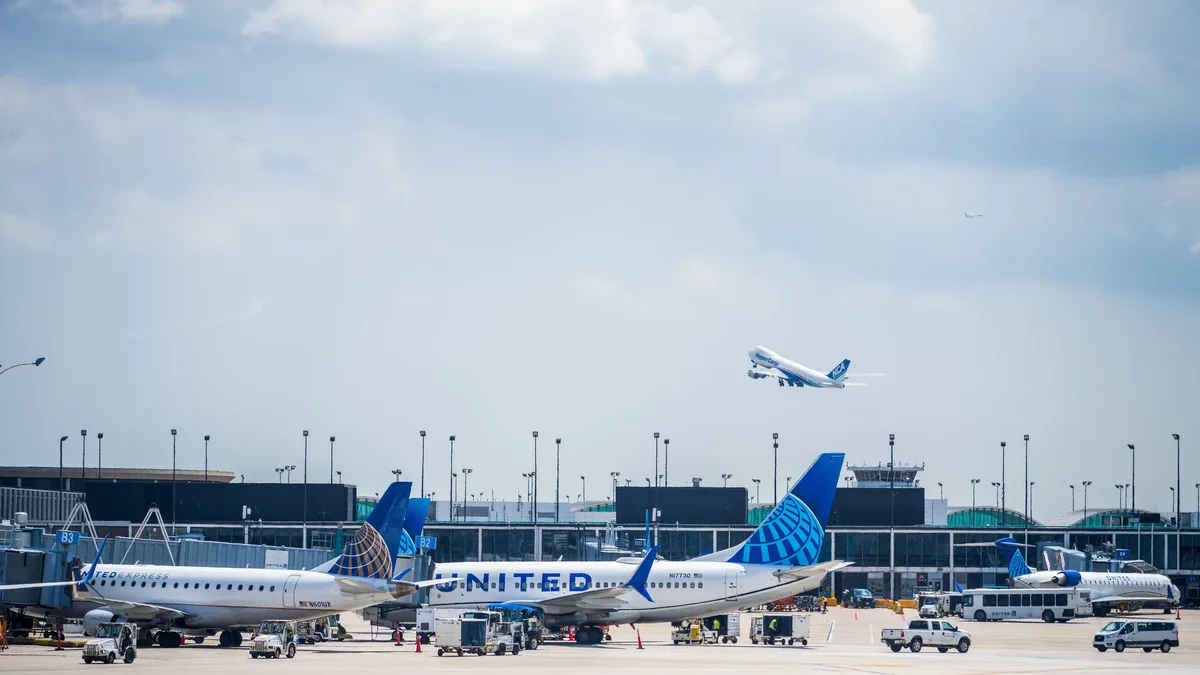
United Cuts Newark-Lima Flights for Summer
United Airlines has removed all scheduled flights between Newark Liberty International Airport and Lima, Peru, for the summer of 2027, shortly after
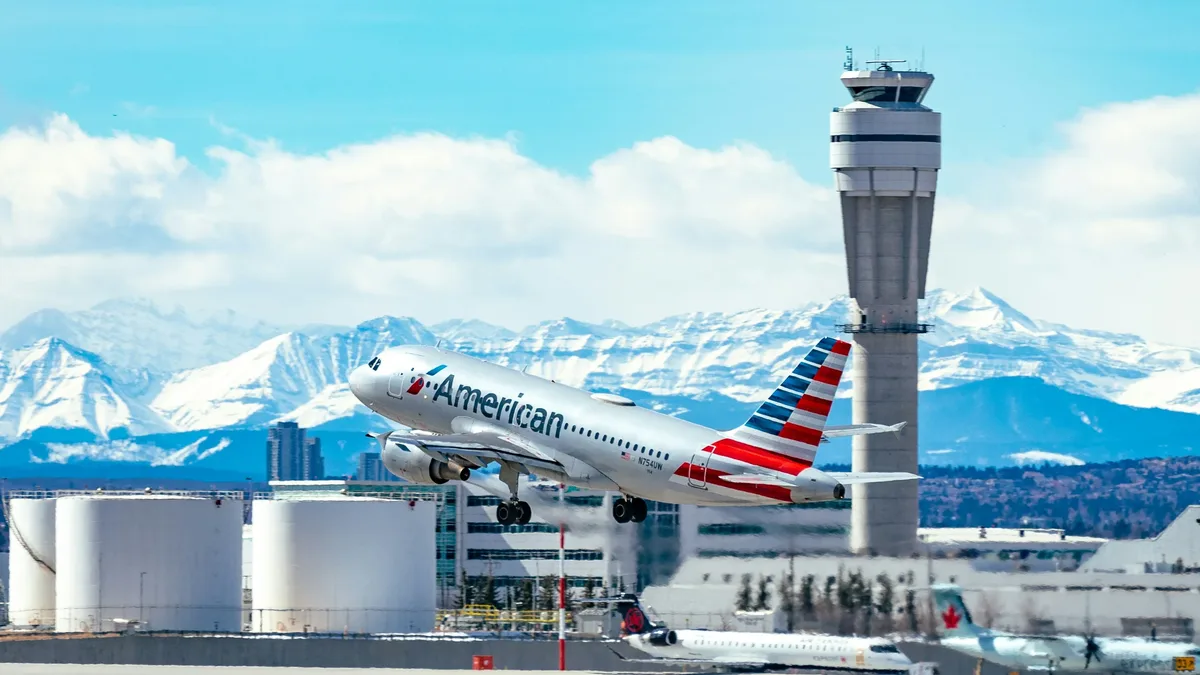
Alaska Airlines Cuts 7 Routes, Adds San
Alaska Airlines is canceling seven routes, including three to Puerto Vallarta and two from Santa Rosa, while reinstating a San Jose to Los Angeles...