Emirates faces 777-9 delivery delays, capping near-term growth
Emirates will receive only three to five Boeing 777-9 aircraft by late 2027, more than seven years behind schedule, forcing the airline to manage capacity constraints amid ongoing certification and production bottlenecks at Boeing.
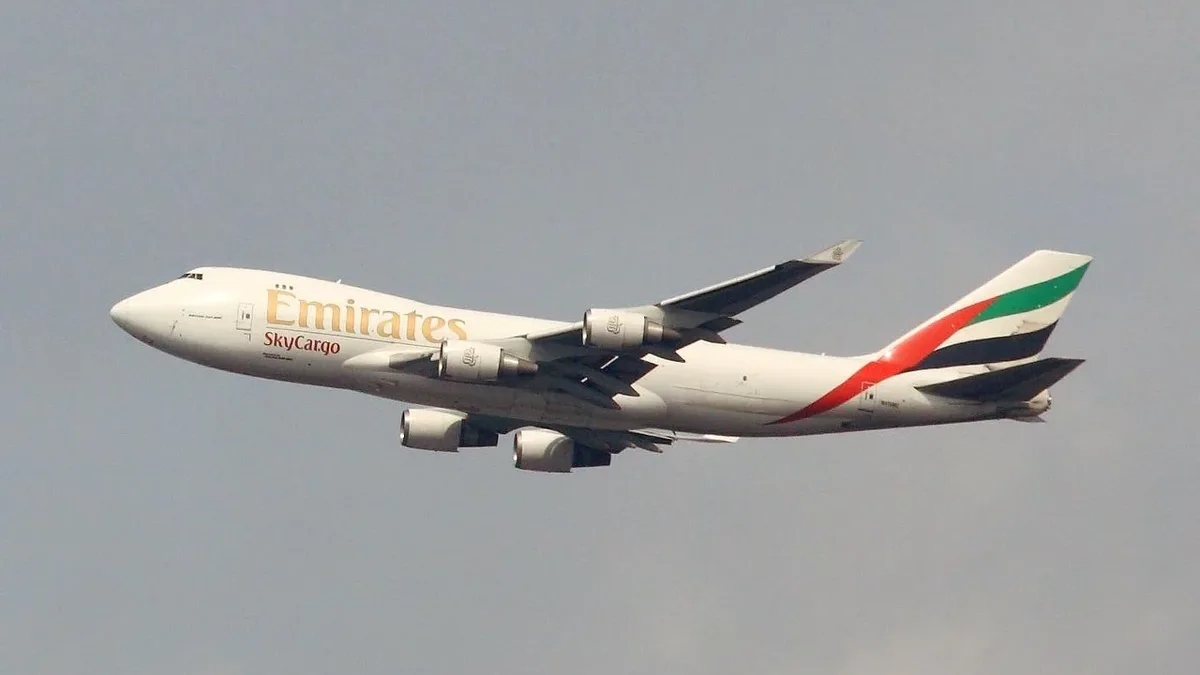
Emirates will receive just three to five Boeing 777-9 aircraft by the end of 2027, a delivery schedule more than seven years delayed from the original 2020 target. President Tim Clark made the estimate, stating the airline does not foresee more than that small tranche in next year's intake, with deliveries now expected in the second quarter of 2027.
The airline has ordered 270 Boeing 777X aircraft, all currently specified as the 450-seat 777-9 model, with options to convert some to the smaller 777-8. These jets are crucial for replacing aging Boeing 777-300ERs and the discontinued Airbus A380 fleet. The timing of any 2027 deliveries depends heavily on U.S. Federal Aviation Administration certification, which has not yet been granted.
Certification bottlenecks and production limits
Boeing's 777-9 certification has slipped to early 2027 due to quality and supply-chain issues. The manufacturer originally planned certification and first deliveries for 2020. Boeing executives now target early 2027 for regulatory approval and expect to deliver no more than 10 aircraft in 2028 due to ongoing production constraints.
Boeing announced it will trim some roles in its commercial unit, which Clark described as a recognition that the company cannot accelerate output across programs as fast as it wants. The certification delay has caused Emirates to, in effect, pump the brakes on growth due to snarled deliveries.
Fleet renewal pressures amid industry constraints
The lack of new, efficient aircraft has become a choke point across the aviation industry. Emirates plans to use the initial 777-9s to add capacity and replace older jets. The aircraft is designed to carry more passengers while burning less fuel than its predecessors.
Maintenance turnarounds for the current Boeing 777's General Electric engines are taking far longer than planned, adding further pressure. Clark said the carrier is desperately short of capacity and the supply chain is not where it needs to be as the year-end approaches. Pressures from fuel expenses and logistics disruptions are weighing on the airline more than geopolitical fallout.
Alternative fleet options and strategic uncertainty
Emirates is exploring other fleet options while prioritizing 777-9 certification. The airline has added the Airbus A350-900 to its fleet and is satisfied with its performance. It holds a potential order for 35 Boeing 787 Dreamliners in reserve and will decide within two months whether to proceed, depending on the 777-9's progress.
Emirates remains in talks with Rolls-Royce about engine upgrades for the larger A350-1000, though Clark said he still needs proof that the engine meets his durability bar. The airline has also pressed Boeing to pursue a larger 777-10 variant, backing the push with extra orders. However, Clark stated the commitment to do that is not there at Boeing, though the airline is trying to keep the idea in focus.
Emirates will not accept the first 10 Boeing 777X airframes due to extensive modifications and their aging status, a stance that may force Boeing to scrap or repurpose the grounded frames. The airline will welcome whatever Boeing can produce thereafter. Sir Tim Clark said: "although, given that the aircraft will be more than seven years delayed by that point, three or five is surely better than none." Emirates will assess the delivery feasibility in the second quarter of 2027 to determine next steps for fleet expansion and the retirement of older aircraft.