FAA Outage Grounds Flights at Newark, JFK, Philadelphia
A major air traffic control equipment failure at the Philadelphia TRACON center has forced the FAA to ground inbound flights at Newark, JFK, LaGuardia
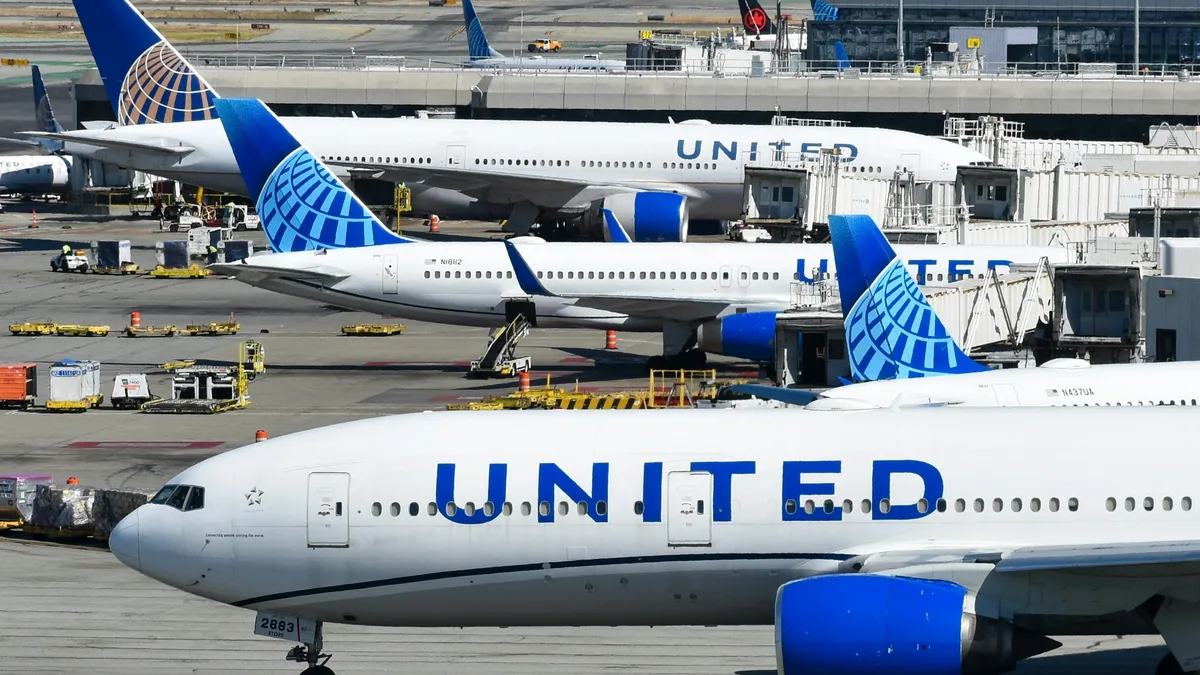
The Federal Aviation Administration has grounded all inbound flights to Newark Liberty International, Philadelphia International, and Teterboro airports due to a technical failure at a key air traffic control center. The disruption, described as an 'ATC Zero' situation, has since spread to include New York's John F. Kennedy and LaGuardia airports, halting arrivals and causing major travel chaos.
FAA spokesperson Cassandra Nolan confirmed the action, stating the pause was "due to issues with some frequencies at Philadelphia TRACON." A TRACON center manages the arrival and departure of aircraft for major airports. Since 2024, the Philadelphia facility has handled traffic not only for its namesake airport but also for Newark and Teterboro.
Extent of the Disruption
More than an hour after the outage began, all flights into the three initially affected airports remained grounded. Some departures were proceeding but with significant delays and at a reduced rate. The FAA assessed the probability of the issues continuing as 'medium,' indicating a prolonged impact was likely.
Flight tracking data painted a stark picture of the unfolding crisis at Newark Liberty International Airport, a major United Airlines hub. According to the app Flighty, 20% of all scheduled outbound flights from Newark were already delayed by midday, with dozens of cancellations and diversions.
| Metric | Figure for Newark (EWR) |
|---|---|
| Outbound flights delayed | 20% of schedule |
| Flights cancelled (outbound) | 21 |
| Inbound flights diverted | At least 50 |
| Inbound flights cancelled pre-departure | 23 |
| Outbound flights with significant delays | Around 150 |
Tens of thousands of passengers across the Northeast corridor are expected to be affected by the cascading delays and cancellations.
Cause and Context
The exact cause of the Monday morning equipment outage remains unclear. It follows a similar, though shorter-lived, technical problem that affected air traffic control services across the Northeast on Sunday. The incident highlights ongoing challenges with the nation's air traffic infrastructure.
The FAA is currently in the midst of a multi-billion dollar modernization program. Last month, Transportation Secretary Sean Duffy said the administration was making progress in upgrading systems, which has involved replacing 63% of copper wires with high-speed fiber or 5G wireless. The agency is spending $12.5 billion on improvements, with most expected to be completed by 2028.
Airline Response and Passenger Impact
Airlines scrambled to manage the operational meltdown. United Airlines, for which Newark is a critical hub, declined to comment on the specific situation. The carrier did, however, implement a temporary travel waiver. This allows passengers who booked tickets on or before September 20 to reschedule their trips without penalty.
American Airlines did not immediately respond to requests for comment regarding the disruption's impact on its Philadelphia operations. With inbound flights halted and outbound traffic severely constrained, airport terminals filled with stranded travelers facing uncertain wait times. The FAA could not provide an estimate for when normal air traffic control services would be restored, leaving passengers and airlines in limbo.