
Airport Parking
| Original use | Secondary commercial airport |
|---|
Origin and history
Airport parking, as a formal service offered directly by airport authorities, originated in the United States in the mid-20th century alongside the rise of commercial air travel and private automobile ownership. The concept evolved from simple, unattended lots to managed facilities as passenger volumes grew significantly in the post-war era. Early airport parking was often a basic unpaved field adjacent to the terminal building, with minimal security or oversight. The development of multi-level parking structures began at major airports in the 1960s and 1970s to conserve land and bring vehicles closer to terminals. The model of offering tiered services, such as economy, daily, and valet parking, became standardized across North America and later, globally. This development was a direct response to the passenger's need for a secure, convenient method to store a personal vehicle for the duration of a trip.
What it is for
Airport parking provides a secured area for passengers to leave their private vehicles while traveling by air, serving as the critical link between personal ground transportation and the airport terminal. Its primary function is to offer a safe and designated space for cars, motorcycles, and sometimes recreational vehicles for periods ranging from a few hours to several weeks. This service eliminates the reliance on friends or family for rides to the airport and provides an alternative to taxis or ride-sharing services, particularly for those living in areas with limited public transit options. Airport parking facilities are designed to accommodate the high turnover of vehicles and the specific needs of travelers, such as providing luggage carts and shuttle services. It functions as the first and last point of the passenger's air journey, directly impacting the overall travel experience. The system is engineered to manage large volumes of vehicles efficiently, guiding passengers from the public roadway into a controlled, monitored environment.
Airport Parking parking
Airport-operated parking is typically categorized into several distinct service levels, each with different pricing structures, proximity to the terminal, and amenities. The most common types are Daily Parking, often located in garages or surface lots directly adjacent to the terminal, designed for short-term stays and offering the highest convenience and rate. Economy or Long-Term Parking is situated further from the terminals, featuring lower daily rates and relying on frequent shuttle bus services to transport passengers and their luggage to their departure door. Valet Parking provides the utmost convenience, where an attendant takes the vehicle at the terminal curbside and parks it in a secured lot, though this is the most expensive option. Many airports also offer Reserved Parking, allowing travelers to book and pay for a specific space in a preferred lot online in advance, guaranteeing availability. Additional specialized options may include parking lots for oversized vehicles, electric vehicle charging stations, and premium services that include car washes or detailing upon return.
Airport Parking tsa wait times
Airport parking facilities themselves do not have TSA wait times, as security screening occurs inside the terminal building, separate from the parking transaction. However, the choice of parking type directly influences the total time a passenger must allocate before their flight's departure, which includes the potential for TSA queues. Selecting a remote economy lot adds significant transit time to the terminal via shuttle bus, which must be factored into the schedule alongside anticipated security wait times. Passengers using daily or valet parking at the terminal can proceed directly to the check-in and security areas, potentially shaving 20 to 45 minutes off their pre-flight timeline compared to economy parking users. It is a common mistake for travelers to only consider the drive to the airport parking entrance without accounting for the subsequent shuttle journey, leading to rushed or missed flights. Checking the airport's website or app for current TSA wait times is recommended before leaving home, allowing for a more accurate calculation of when to depart the parked vehicle.
Airport Parking terminals
Airport parking facilities are physically connected to passenger terminals through a combination of pedestrian pathways, sky bridges, and shuttle bus networks. Major airports often have multiple parking structures, each named or numbered and designated to serve a specific terminal or cluster of airlines to simplify navigation. Clear signage within parking garages is critical, directing drivers to elevator cores, pedestrian walkways, and shuttle pick-up points, and often using color-coding or iconic symbols for different zones. For large airport complexes, an inter-terminal shuttle may be required even after taking a parking shuttle, adding another layer of complexity to the journey. The design of modern parking structures aims to minimize walking distances for daily parkers, sometimes incorporating direct, covered access into the terminal's ticketing level. Conversely, economy lots function as standalone transit hubs, where the shuttle bus becomes the primary means of reaching the terminal, and shelter from weather at the pickup point is a key amenity.
Airport Parking code
The term "airport parking code" most commonly refers to the specific, often alphanumeric, location identifier used by travelers to find their vehicle upon return. These codes are typically displayed on signs, pillars, or painted on the pavement within parking structures, noting the section, level, and row. Memorizing or photographing this code is a fundamental step for passengers to avoid confusion and delay when retrieving their car after a trip. A secondary meaning of "code" can refer to promotional discount codes for parking, which are offered by airports, airlines, or third-party booking sites to reduce the cost of reserving a space. These promotional codes are usually entered during the online reservation process on the airport's parking website or a third-party aggregator. Failing to note the physical location code of a parked car in a vast lot or garage is a frequent cause of distress and lost time for returning travelers, especially after a long flight.
Pros and cons
A primary pro of airport parking is the control and convenience it offers, allowing passengers to depart directly from their home on their own schedule and return to their vehicle immediately upon landing. It can also be cost-effective for families or groups when compared to multiple round-trip fares for ride-sharing or taxis, especially for longer trips. The security of a monitored, well-lit facility with patrols and often license plate recognition technology provides significant peace of mind. A major con is the high cost, particularly for daily or valet parking at major hubs, where fees can accumulate rapidly and sometimes rival the cost of a short flight. The journey from remote economy lots can be lengthy and stressful, involving waits for shuttles, handling luggage multiple times, and exposure to inclement weather. A common mistake is underestimating the total time required from parking entry to reaching the gate, which leads to missed flights, and another is failing to lock the vehicle or leaving valuables in sight, despite the general security of the facility.
Who it suits
Airport-operated parking best suits passengers who live within a reasonable driving distance of the airport and value the autonomy of using their own vehicle for the first and last leg of their journey. It is particularly advantageous for families with young children or travelers with a large amount of luggage, as it minimizes the handling of belongings compared to public transit. Business travelers on tight schedules often prefer the predictability and time savings of daily or valet parking, despite the higher cost, to ensure prompt arrival for meetings. Residents of suburban or rural areas with limited or no alternative transit options to the airport are effectively required to use parking services. It also suits travelers taking extended trips, as long-term parking rates, while substantial, provide a secure vehicle storage solution for weeks at a time. Conversely, it is less suitable for solo travelers flying from airports with robust and affordable public transit links, or for individuals facing extremely high daily parking rates where off-airport private lots may offer competitive savings.
Latest Airport Parking news
Latest reporting

Edinburgh Airport launches £500m Vinci-led
VINCI Airports and Global Infrastructure Partners have committed £500 million over five years to expand Edinburgh Airport, aiming to increase terminal
Boston Logan fuel shortage forces airlines
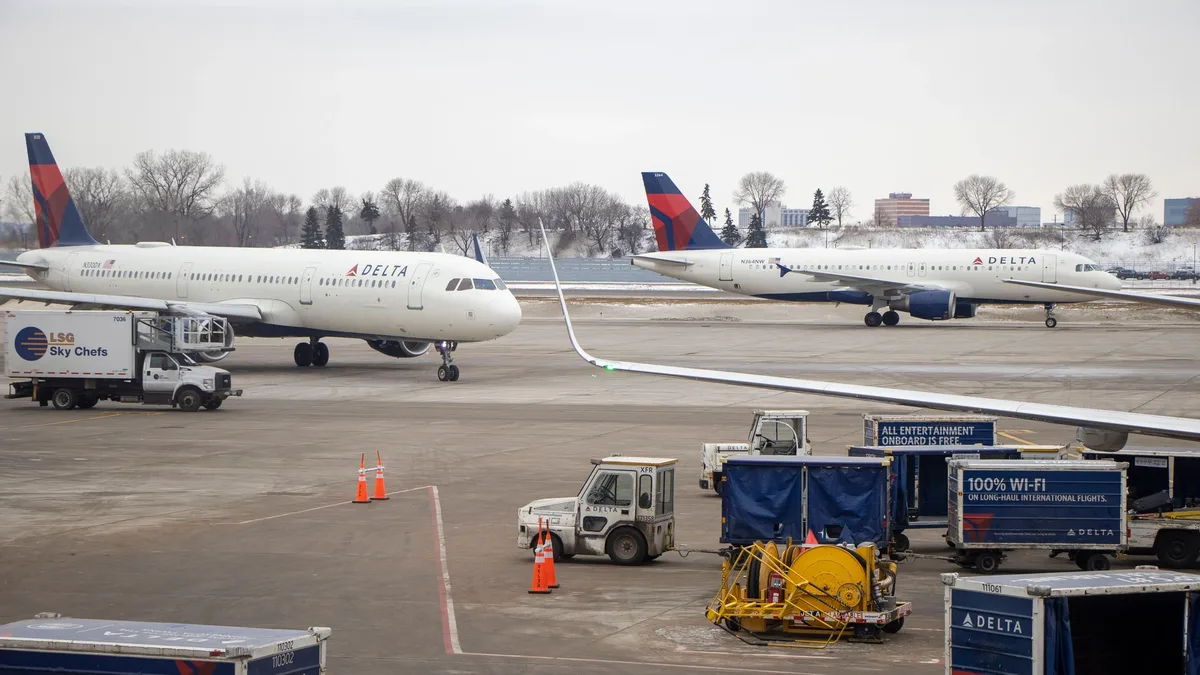
A rare September nor'easter has blocked fuel barges from reaching Boston Logan International Airport, forcing airlines to tanker extra fuel on inbound

Aspire opens 300-seat lounge at Manchester Airport Terminal
Aspire Pre-Flight Hospitality has launched a new 300-seat lounge at Manchester Airport's Terminal 2, featuring industrial heritage decor and extended...
Airports Must Link Systems to Cut Passenger Delays
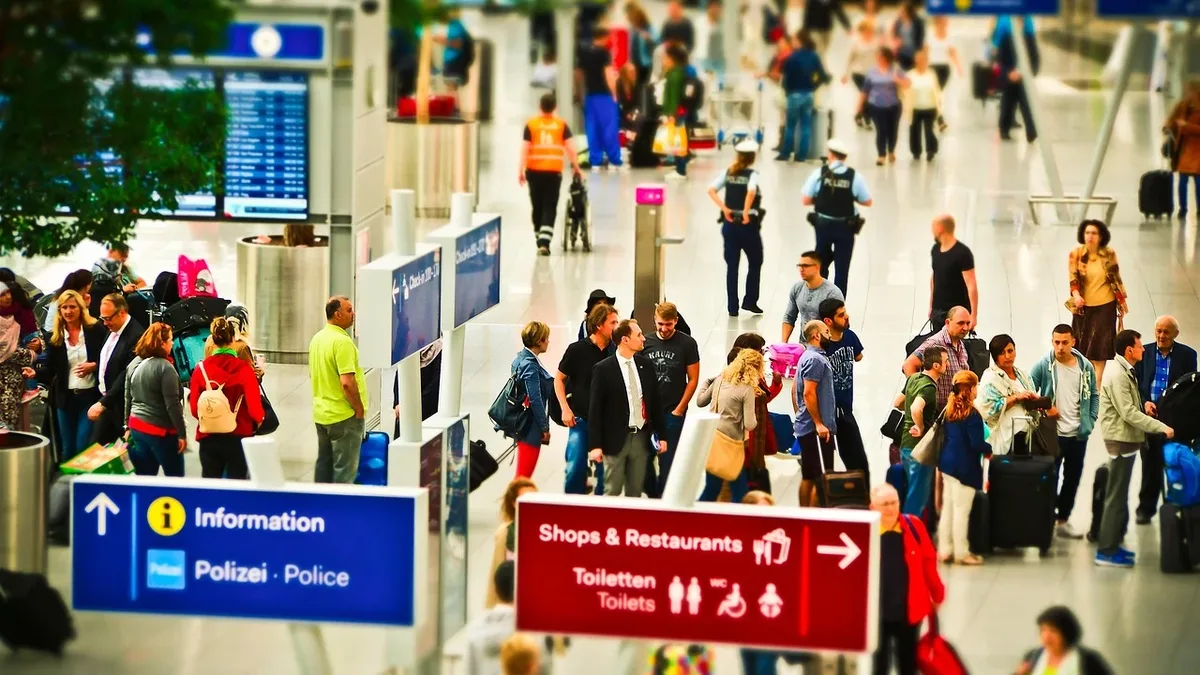
Industry reports argue that connecting existing airport and airline systems, not new technology, is key to reducing queues and baggage mishandling.

Daa Reports Strong H1 2026 Passenger Growth and Investment
Irish airport operator daa reported 19.6 million passengers and €561.9 million in turnover for the first half of 2026, driven by travel demand and

UK Airport Tests 6D Scanning on 120km of Pavement
A medium-sized UK airport is assessing 120km of its runways, taxiways, and operational areas using XenomatiX's 6D Road Scanning technology.