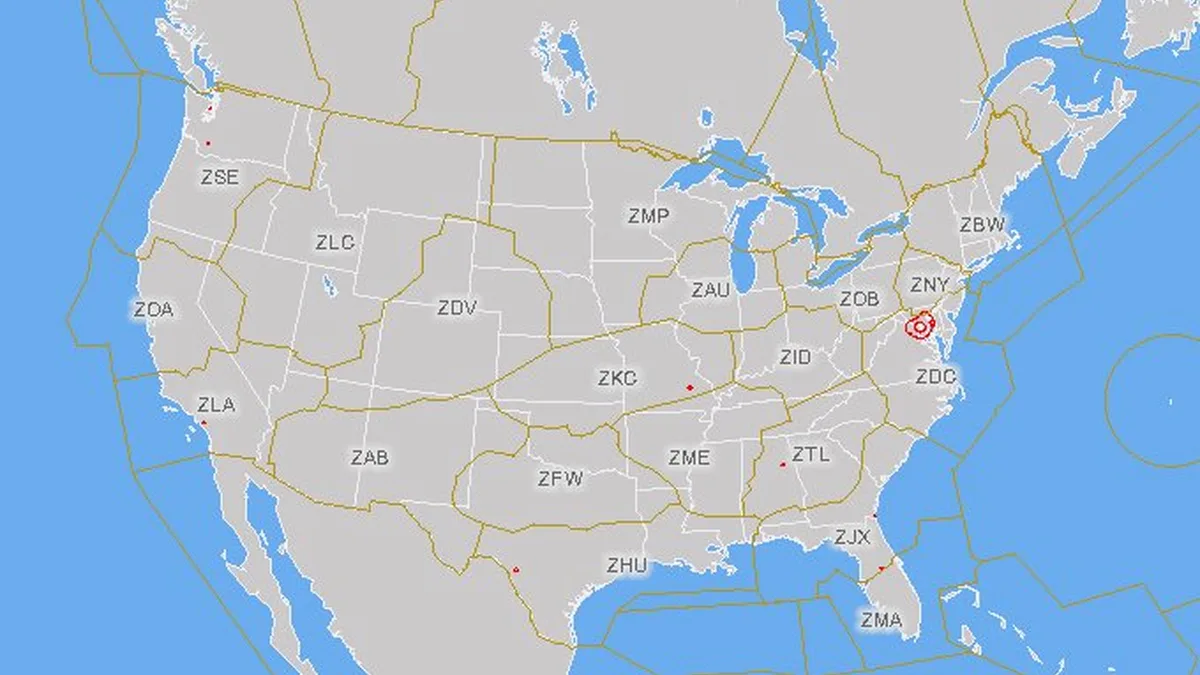
Air Traffic Control Restrictions
| Cause | Air traffic control staffing or system failure |
|---|---|
| Typical duration | Several hours to multiple days |
| Primary effect | Delayed or canceled flights |
| Passenger notification | Via airline app, email, or SMS |
| Recompense eligibility | Depends on airline policy and jurisdiction |
| Passenger action | Contact airline for rebooking or refund |
Origin and history
Air Traffic Control (ATC) restrictions as a formal system of managing aircraft movement originated in the United States and Europe in the early decades of the twentieth century. The first documented use of procedural control to prevent collisions is attributed to the London airport in the 1920s, using basic flag signals and radio communication. The need for structured restrictions became tragically apparent following several high-profile accidents, most notably the 1956 Grand Canyon mid-air collision, which directly spurred major regulatory overhaul. The subsequent creation of the Federal Aviation Administration (FAA) in the United States in 1958 centralized and standardized restrictive airspace designations and control procedures. Internationally, the Chicago Convention of 1944 established the International Civil Aviation Organization (ICAO), which provides the global framework for harmonizing these restrictive rules across borders. This historical evolution reflects a continuous response to increasing traffic density, technological advancement, and the paramount objective of safety.
What it is for
ATC restrictions are regulatory and procedural limits imposed to ensure the safe, orderly, and expeditious flow of air traffic within controlled airspace. Their primary function is to maintain mandatory separation between all aircraft, both vertically and horizontally, to prevent collisions. These rules also manage the flow of aircraft into and out of airport terminal areas, sequencing arrivals and departures to prevent congestion on runways and in holding patterns. Restrictions are crucial for managing traffic in special use airspace, such as military operation areas or regions affected by natural disasters or significant public events. They provide a structured framework for handling diverse aircraft performance characteristics, ensuring slower propeller aircraft do not conflict with faster jet traffic on similar routes. Furthermore, these protocols enable controllers to manage disruptions caused by severe weather by rerouting or spacing traffic around hazardous conditions like thunderstorms or volcanic ash clouds.
Pros and cons
The principal advantage of ATC restrictions is the maintenance of an exceptionally high level of safety for commercial aviation, making mid-air collisions between controlled aircraft exceedingly rare. These systems allow for the efficient use of limited airspace and airport capacity, maximizing the number of flights that can operate safely. Standardized restrictions provide predictability for airlines, enabling reliable schedule planning and fuel calculations. The major con is that these restrictions are a primary source of flight delays and cancellations, especially during periods of high demand or when system capacity is reduced by weather or staffing shortages. Passengers often bear the brunt of these disruptions through missed connections, lengthy tarmac waits, and itinerary uncertainty, with little immediate recourse. A common mistake is the public perception that delays are arbitrary, when in fact they are a calculated trade-off for safety, though system fragmentation and outdated technology in some regions can exacerbate inefficiencies beyond the minimum required for security.
Who it suits
ATC restrictions inherently suit the operational needs of commercial scheduled airlines, which rely on predictable, safe, and regulated airspace to conduct their business. They are essential for large hub airports, where immense traffic volumes could not be managed without strict procedural and technological controls. The system suits aircraft operators who prioritize absolute safety compliance over unimpeded flexibility, accepting that access to airspace is conditional upon adhering to centralized control. It does not suit operators requiring maximum operational freedom, such as some military training flights or private general aviation, which often operate in designated zones to avoid the restricted system. Ultimately, the structure suits the traveling public by providing a consistent, if sometimes delayed, safety standard, though it frustrates those for whom time certainty is critical. The system is designed for high-density traffic environments and is less suited to remote regions with very sparse traffic, where less restrictive control methods may be applied.
Latest Air Traffic Control Restrictions news
Latest reporting
FAA Deploys SMART AI Tool in DC Airspace
The FAA has begun limited use of its SMART AI tool in Washington DC airspace to centralize traffic data and reduce delays, with plans for a phased...
FAA Outage Grounds Flights at Newark, JFK, Philadelphia
A major air traffic control equipment failure at the Philadelphia TRACON center has forced the FAA to ground inbound flights at Newark, JFK, LaGuardia

Construction Cut Severs FAA Backup, Disrupts Northeast
A severed fiber backup line, cut by construction work, failed when a primary circuit broke at a Philadelphia air traffic facility, causing widespread
Heathrow, London Airports Ban Landings After NATS Outage
A major air traffic control system outage forced a ban on all landings at London's major airports, including Heathrow, until at least 10 pm on...
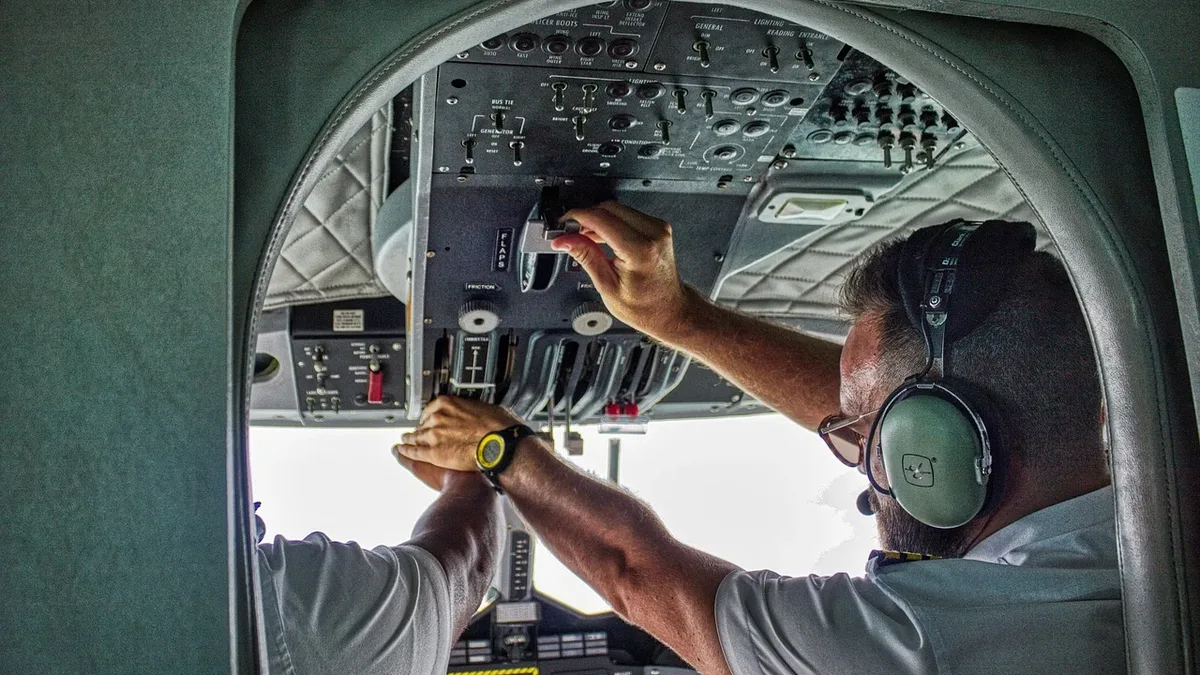
Brest Area Control Centre Upgrades Voice System
Frequentis and DSNA have implemented a new voice communication system at the Brest Area Control Centre in France, enhancing air traffic safety and
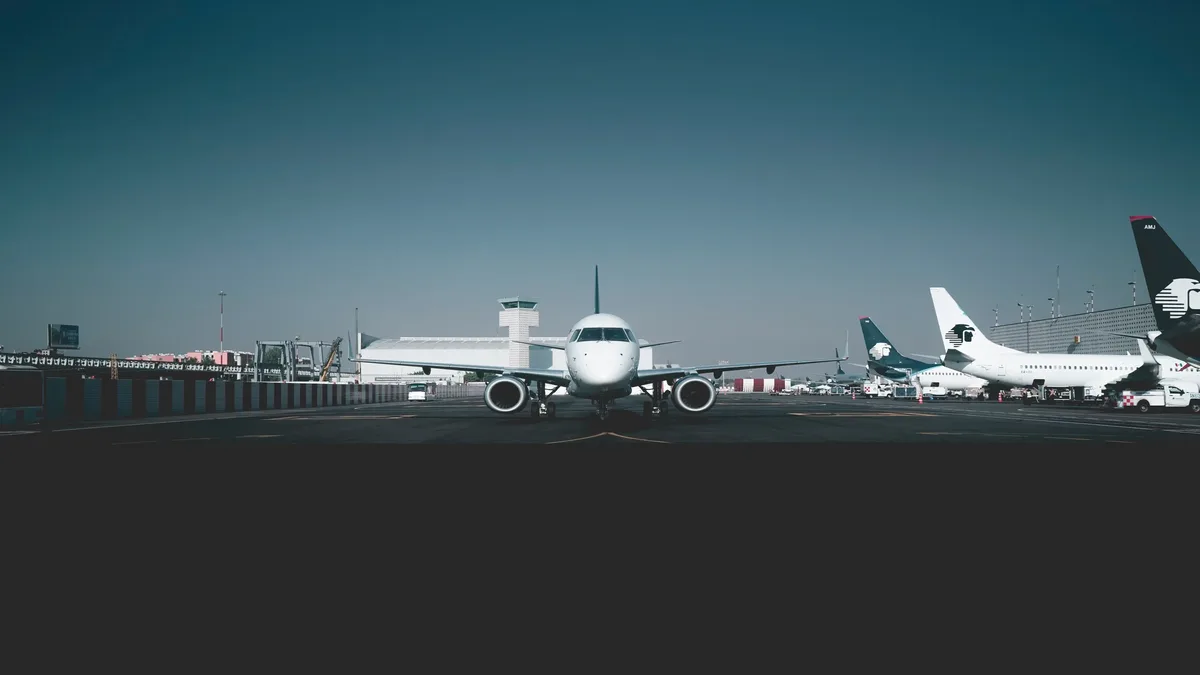
FAA Installs 100th Airport Surface Surveillance System
The FAA has deployed its 100th Surface Awareness Initiative system, providing real-time traffic data to controllers at US airports.