Ryanair hedges 80% of fuel through 2027 as costs surge
Ryanair has hedged 80% of its jet fuel through March 2027, but still faces a €2 billion fuel bill increase and a 10% rise in operating costs, prompting growth cuts and operational reviews.
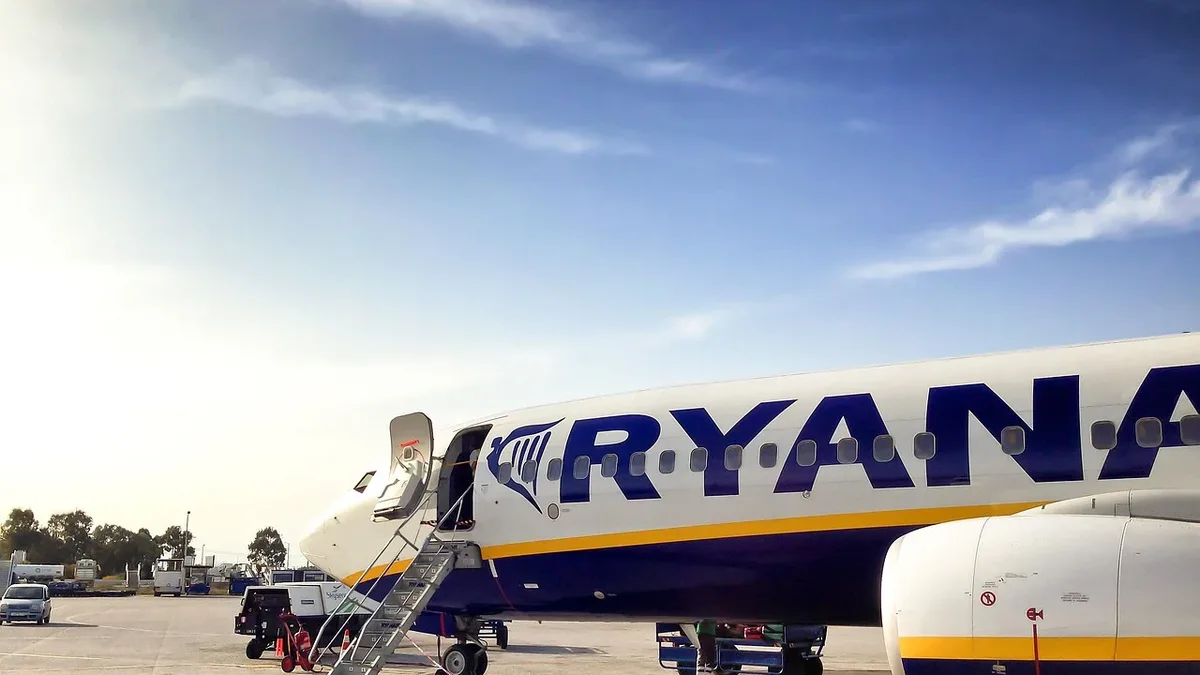
Ryanair has locked in prices for 80% of its fuel consumption through March 2027. Despite this hedge, the airline expects its full-year fuel bill to jump by roughly €2 billion for the year to March 2028, with unhedged costs driving a 10% increase in operating expenses to €7.69 billion. The carrier warns that airfares are set to increase materially once its hedged supply runs out.
Passenger numbers grew 6% to 125.8 million in the first half of the financial year, with revenues rising 3% to €10.08 billion. The average load factor remained robust at 95%. However, profit after tax fell 15% to €2.15 billion, pressured by soaring fuel and operating costs. The growth in passenger volume was accompanied by a drop in the average airfare, which declined from €58 to €55.70.
Operational adjustments to manage costs
To offset the unhedged fuel expense, Ryanair is implementing a series of cost-control measures. The group has cut its annual traffic target from 216 million to 214 million passengers. It is reviewing temporary pay freezes across workgroups that do not have locked-in pay agreements and will increase the use of artificial intelligence in back-office functions to drive productivity.
Cabin crew ratios on some flights will be lowered, though the company must continue to meet legally mandated minimum staffing levels. "Airlines face a significantly higher fuel bill next year," Ryanair stated, framing the need for these adjustments. The expected €2 billion fuel-bill increase cannot be fully offset by fares or capacity cuts alone.
External pressures and industry context
The primary driver of cost pressure is the surge in oil prices since March, linked to the ongoing conflict in the Middle East. Ryanair expects jet fuel prices to remain raised well into 2027 because of this. The broader industry is also adjusting, with airlines having reduced overall capacity by 3% as jet fuel hit $4.40 per gallon.
Chief executive Michael O'Leary noted that third-quarter demand is strong but visibility on bookings is reduced due to close-in bookings for the October/November school mid-term and Christmas periods. He said it remains too early to provide meaningful full-year profit-after-tax guidance. Ryanair warns fares may rise substantially next year if the Middle East conflict keeps fuel prices high.
The airline's full-year fuel bill increase of approximately €2 billion for the year to March 2028 remains unmitigated by fares or capacity cuts.