Boston Logan fuel shortage forces airlines
A rare September nor'easter has blocked fuel barges from reaching Boston Logan International Airport, forcing airlines to tanker extra fuel on inbound
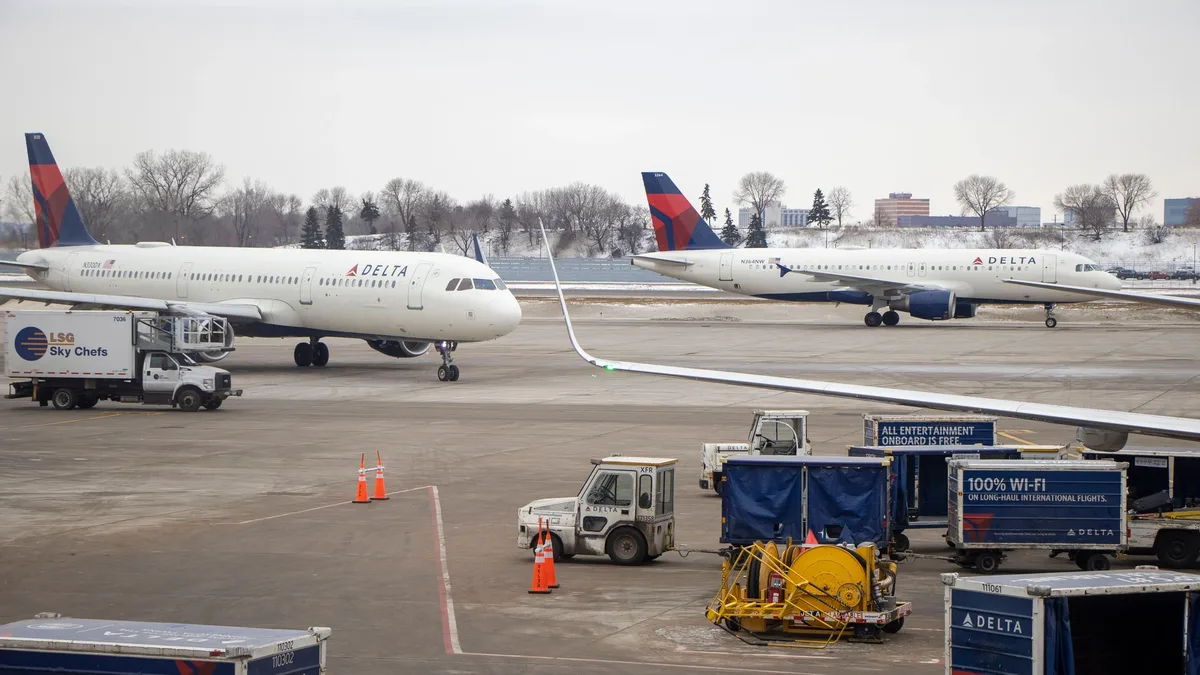
Airlines are being forced to tanker fuel on flights to Boston Logan International Airport because a rare September nor'easter has blocked fuel barges from reaching the port. The disruption has already caused hundreds of flight cancellations, with more expected as airlines conserve ground fuel reserves.
Fuel barges that normally resupply Boston Logan with Jet-A fuel from New York have been held in port due to unsafe navigation conditions. Boston Harbor is the only practical way to deliver large volumes of fuel to the airport, as there is no pipeline. The barges were ordered to stay in New York until Monday, September 28, due to the storm threat.
Airlines respond with tankering
With barge deliveries delayed, airlines are tankering extra fuel on flights to Boston Logan. Tankering means loading an aircraft with more fuel than needed for the flight leg to avoid refueling at the destination. A spokesperson for MassPort, which operates the airport, confirmed advising airlines to tanker fuel as a precaution. The spokesperson stated the airport had enough fuel to last the weekend but made the request just to be safe. MassPort anticipates fueling ships will arrive as soon as the storm passes and has encouraged passengers to check with their airline before coming to the airport.
Operational impacts mount
The fuel conservation measures, combined with the severe weather, have led to significant operational disruption. Tankering increases aircraft weight, which in turn increases fuel burn and emissions. For long-haul flights where tankering is not feasible, some flights might be forced to make fuel stops shortly after departure from Boston to refuel.
Flight cancellations have been widespread. FlightAware recorded 306 cancellations at Logan on Sunday alone, with 294 delays. More than half of Delta's scheduled routes at Boston Logan were cancelled as of Saturday morning. The airline cancelled over 100 flights nationwide and issued a travel waiver for eight airports in the Northeast.
| Airline | Action Taken | Key Airports Affected |
|---|---|---|
| Delta | Issued travel waiver, 100+ cancellations | Boston (BOS), New York JFK, LGA, Newark (EWR), Providence (PVD), Hartford (BDL), Nantucket (ACK), Martha’s Vineyard (MVY) |
| Cape Air | Cancelled all North Region flights Sep 25-28 | Cape Cod, Nantucket, Martha’s Vineyard, and the islands |
| JetBlue | Issued Northeast weather waiver Sep 25-27 | Boston and several Northeast airports |
| American Airlines | Waiver for tickets bought by Sep 24, travel Sep 24-28 | BWI, BGR, BOS, BDL, MHT, JFK, LGA, EWR |
| United Airlines | Waiving fees and fare differences | Affected Northeast airports |
Other carriers, including JetBlue and American Airlines, have also issued travel waivers for the region. Amtrak has cancelled some services between Connecticut, Massachusetts, and New York. The nor'easter, which brought coastal flooding and winds between 50 and 65 mph to Cape Cod, is expected to weaken significantly by Monday evening.
Recovery timeline
Aviation recovery is expected to lag behind the weather by 24 to 48 hours as airlines work to reposition aircraft and crews. Cancellations confirmed for Monday, September 28, will not be reversed due to lost slots and crew displacement. Fuel barges were expected to set sail for Boston as the storm weakened on September 28. Full normalisation of fuel supply is expected by Tuesday morning.