Emirates posts $1bn profit despite 22% passenger decline
Emirates Airline reported a pre-tax profit of AED 3.7 billion for the six months to September 2026, despite a 22% drop in passenger numbers.
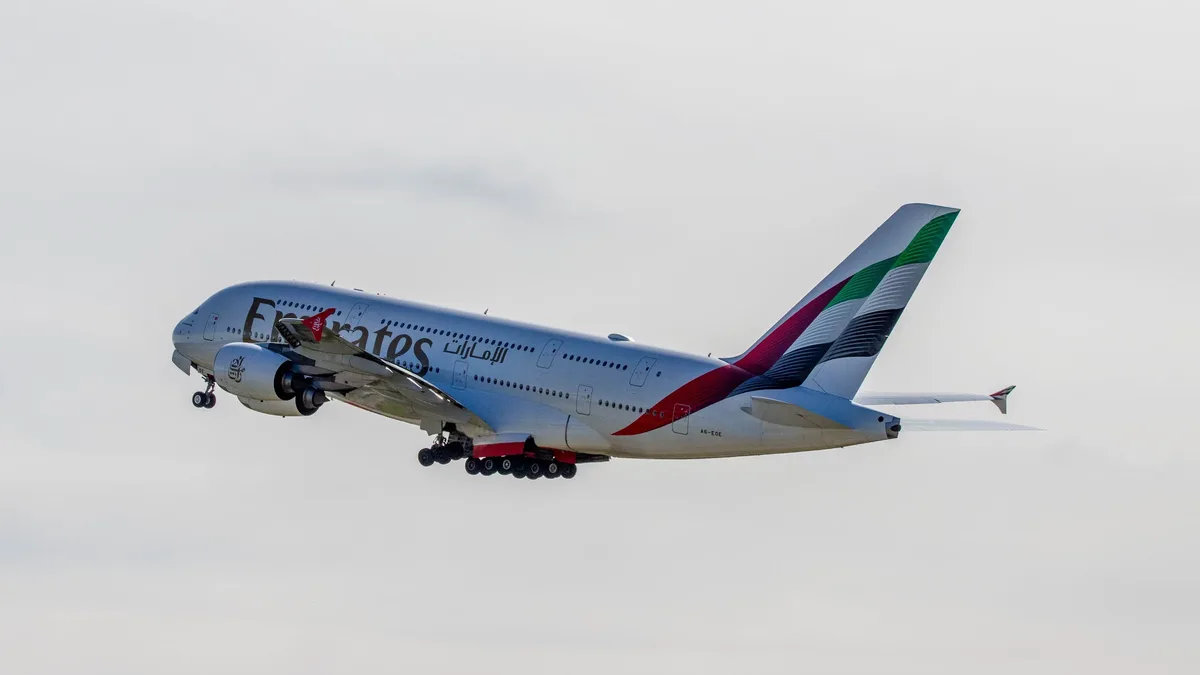
Emirates Airline navigated geopolitical disruption to post a pre-tax profit of AED 3.7 billion (US $1 billion) for the six months ending September 2026. This result came despite the carrier flying 22% fewer passengers than in the same period last year, underscoring the financial impact of regional conflict on airport traffic.
The airline maintained operations at 91% of its pre-disruption network. Its passenger and cargo network spanned 150 airports in 78 countries as of September 30. The reporting period did not include the time when Emirates was completely grounded due to the Iran war, nor the subsequent operational curtailment between early March and April 2026 due to Middle East airspace restrictions. Its schedule was not fully restored to pre-war levels during these six months.
Financial performance under pressure
Emirates' profit of AED 3.7 billion represents a 68% decline year-on-year. The airline carried 21.8 million passengers between April and September 2026, a 22% decrease. Revenue fell 13% to $15.5 billion.
Key operational metrics also fell sharply, as shown in the table below.
| Metric | Six Months to Sept 2026 | Change vs. Previous Year |
|---|---|---|
| Passengers Carried | 21.8 million | -22% |
| Available Seat Kilometers (ASKM) | Not specified | -17% |
| Passenger Load Factor | 72% | Down from 79.5% |
The wider Emirates Group reported a pre-tax profit of AED 4.1 billion (US $1.1 billion) for the same period. Emirates was the world's most profitable airline for two consecutive years prior to this decline.
Cost management and operational challenges
Managing costs proved difficult. Emirates reduced its jet fuel uplift by 12%. Yet its total fuel bill still rose by 13% due to hedging. The airline's fuel hedging contracts are set to expire in the coming months.
Passenger demand held strong despite the conflict, according to the airline. Its dedicated cargo business made a strong contribution to the results. The carrier also maintained its pricing power in the market despite the reduced demand.
Strategic priorities and market positioning
A central strategic focus is convincing passengers that it is safe to travel through Dubai. This is seen as key to network recovery. Airline bosses intend to keep airfares high to make up for profit losses, even if a deal is reached and fuel supplies are restored.
The biggest question mark is whether a deal can be struck between Iran and the United States to end the conflict. The U.S. Midterm Elections could impact President Trump's decisions regarding the situation. A safe reopening of the Strait of Hormuz is expected to lead to a fall in oil prices.
Emirates CEO Sheikh Ahmed bin Saeed Al Maktoum described the period as "a demanding six months." He stated the company is entering the second half with measured optimism while keeping a close watch on costs and geopolitical developments. The airline's focus remains on assuring passengers of safety as it charts its recovery.