UK Airport Tests 6D Scanning on 120km of Pavement
A medium-sized UK airport is assessing 120km of its runways, taxiways, and operational areas using XenomatiX's 6D Road Scanning technology.
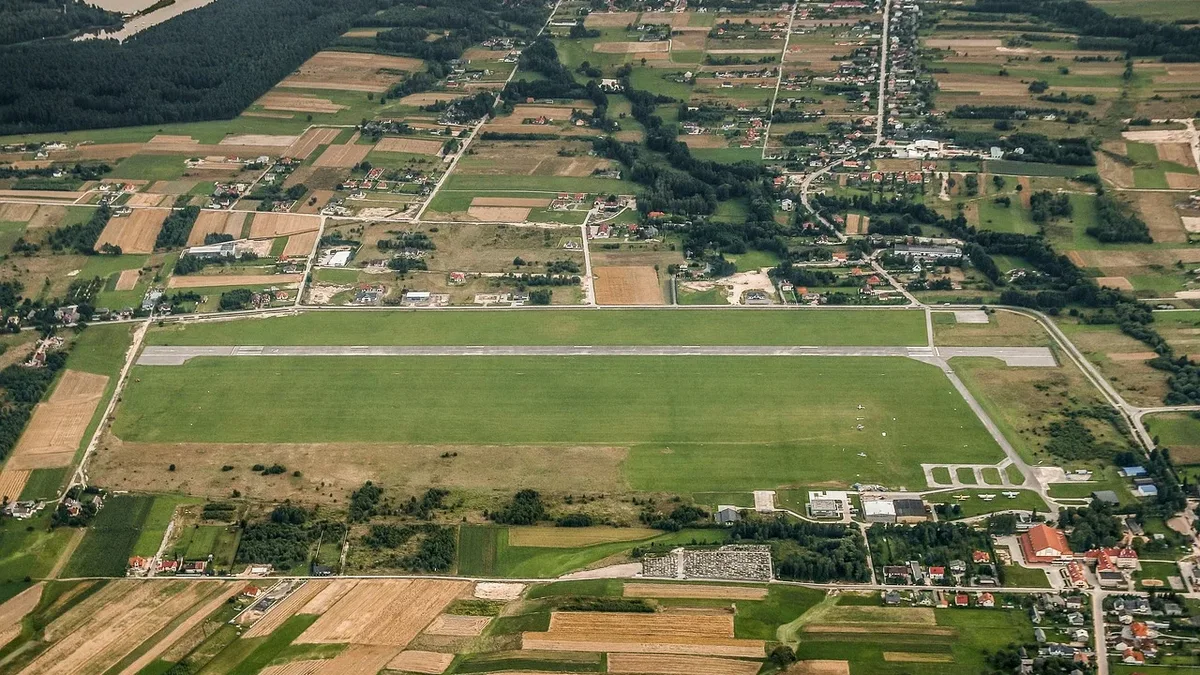
A medium-sized UK airport has completed a validation project scanning 120 kilometres of its paved operational areas. The initiative used XenomatiX's 6D Road Scanning technology to digitise runways, taxiways, service roads, and parking areas.
According to the source, the project's objective was to create a detailed and reliable digital twin of the airport's entire paved area. This provides different operational teams with a consistent, shared view of pavement infrastructure. The project also explored using the system for Foreign Object Debris (FOD) detection to identify objects or surface anomalies posing operational risks.
How the 6D Scanning System Works
The technology combines high-precision LiDAR, camera, GNSS, and AI into a single system. Rather than using separate tools for different tasks, it creates a common digital representation of all paved surfaces. All data is captured, analysed, and shared within one platform.
This integrated approach generates key pavement condition indicators. The system maps defects in line with the ASTM D5340 standard for airport pavements. Every crack, rut, or other issue is linked to its precise geographic location on the airfield.
Airport operators gain a clear picture of what is wrong, where it is, and what type of defect is present. This precise data directs maintenance efforts efficiently.
Data Outputs and Infrastructure Management
The scan data produces specific, measurable metrics on pavement health. The system calculates standardised indicators that help planners prioritise repairs and manage long-term infrastructure budgets.
With this data, the airport can build a more detailed and consistent digital picture of its infrastructure. The digital twin serves as an accurate baseline for ongoing monitoring. It transforms reactive maintenance into a predictive and planned activity.
Broader Applications and Industry Interest
The source article, originally published by XenomatiX, highlights the technology's potential for broader airport applications. The FOD detection capability was a key part of the UK airport's exploratory project. Identifying small objects on vast paved areas is a significant safety challenge.
A consistent digital record allows for better long-term asset management. Teams can track how specific areas degrade over time under heavy loads and intensive use.
The company is promoting the technology to other airports. XenomatiX has announced a webinar to discuss the impact of 6D Road Scanning in the airport environment, with registrations now open.