United's New 787-9s Strain Polaris Lounge Capacity at LAX
United Airlines' incoming fleet of Boeing 787-9s, featuring 64 business-class seats, is creating potential overcrowding at its premium Polaris Lounges.
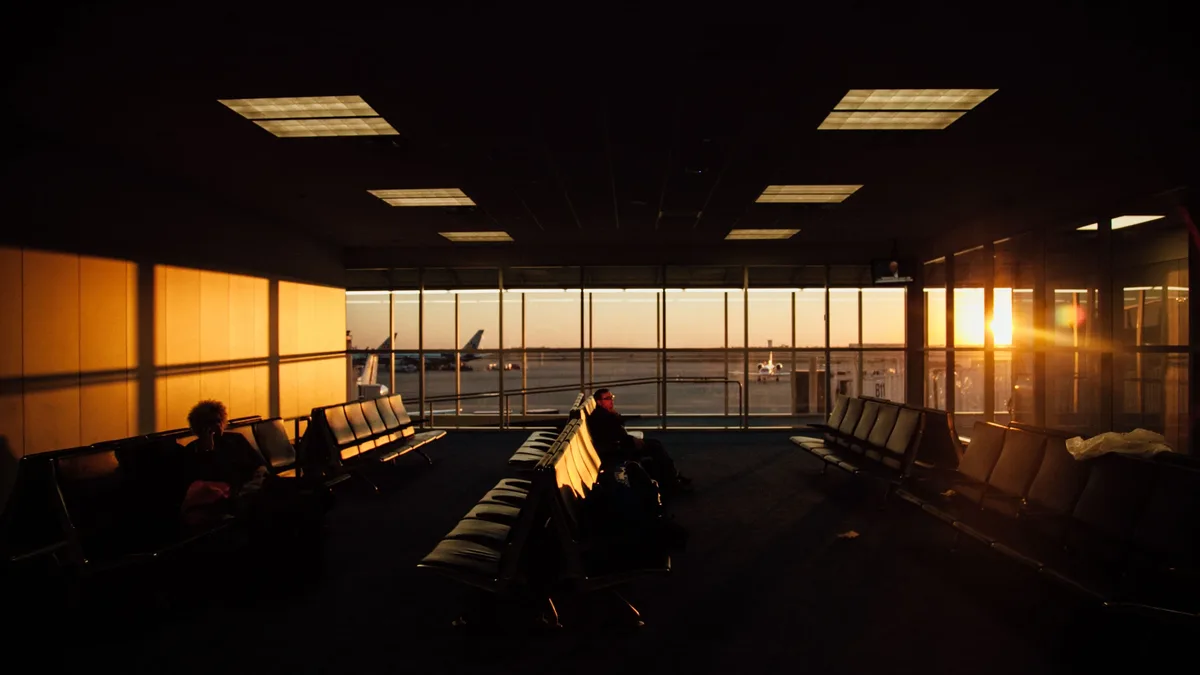
United Airlines faces a capacity challenge in its premium airport lounges due to its new Boeing 787-9 aircraft. The airline is evaluating lounge expansions at Los Angeles International Airport (LAX) and Chicago O'Hare International Airport (ORD) as it introduces more Dreamliners with substantially larger business-class cabins.
New Aircraft Configuration Adds Premium Seats
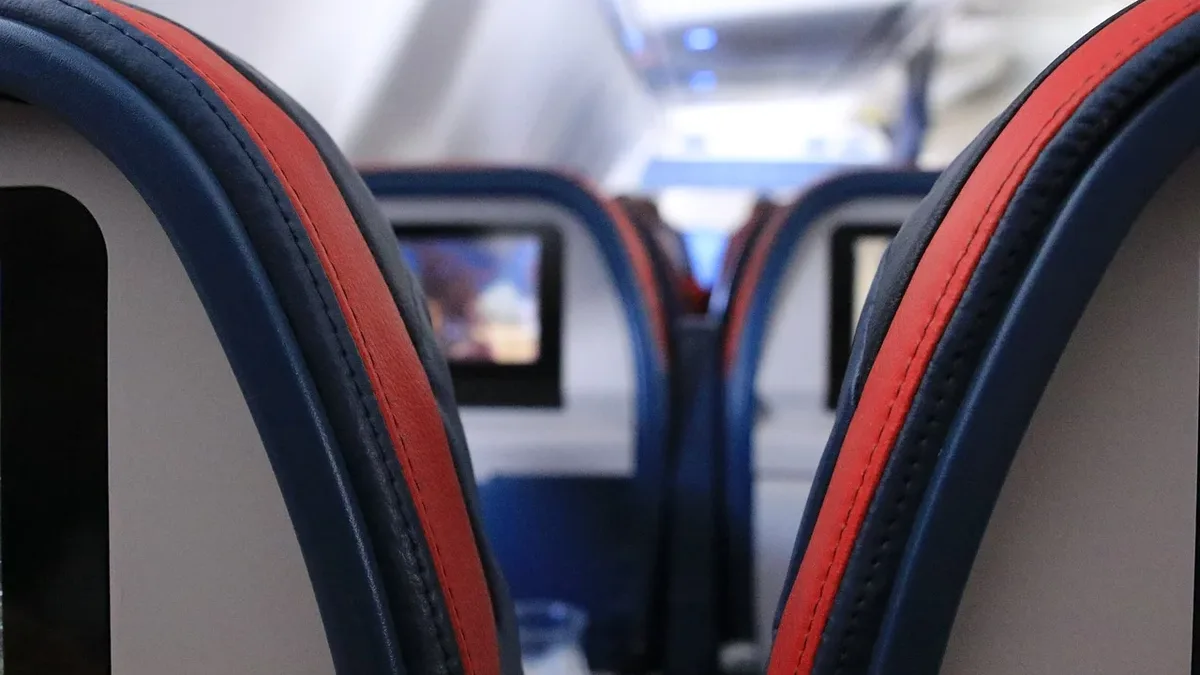
The pressure stems from United's Polaris 2.0 cabin rollout. The new 787-9 configuration carries 64 business-class seats, a significant increase from the 48 seats on the airline's existing Dreamliners. This represents a 33% rise in premium capacity per aircraft.
| Aircraft Configuration | Business-Class Seats | Increase |
|---|---|---|
| Existing 787-9 | 48 | Baseline |
| New Polaris 2.0 787-9 | 64 | +16 seats (+33%) |
The new layout includes eight Polaris Studio suites and 56 standard Polaris seats. United's second-quarter 2026 results confirmed the new 787-9 is already in service on routes from San Francisco to Singapore and London. With roughly 66 of these aircraft in the delivery pipeline, the cumulative effect on lounge traffic is substantial.
Los Angeles Presents a Peak-Period Bottleneck
Los Angeles International Airport presents the clearest potential bottleneck. United's Polaris Lounge there is relatively small, and several international departures can cluster in a short evening window. A review cited by Simple Flying found that four United 787 flights to Sydney, Melbourne, Hong Kong, and Beijing can depart within roughly an hour.
With the old 48-seat configuration, those flights could bring 192 business-class passengers through the lounge. Four fully occupied new 787-9s would represent up to 256 premium passengers, an increase of 64. This concentrated wave of customers during peak periods matters more than a lounge's average daily occupancy. United has not publicly confirmed an LAX expansion, but industry reporting identifies it as a leading candidate.
Chicago's Recent Expansion May Not Suffice
Chicago O'Hare presents a different scenario. United already completed a major expansion of its Polaris Lounge there in April 2025, increasing the facility by 50% to nearly 25,000 square feet. The redesigned space now provides more than 350 seats, a 50-seat private dining room, a second bar, and additional amenities.
However, the new 787-9 configuration changes the demand equation. A 64-seat business cabin creates one-third more potential Polaris customers than the older 48-seat layout. If United assigns more new Dreamliners to Chicago, peak demand could rise despite the recent enlargement. The 2025 project addressed existing network demand, but future aircraft deliveries could create a new demand curve.
Infrastructure Lags Behind Fleet Growth
United's strategy creates an infrastructure problem. Aircraft can add seats much faster than airports can add physical lounge space. A lounge expansion requires terminal real estate, construction, staffing, and coordination with airport authorities, creating a timing challenge.
There is also a service-quality issue. Polaris lounges offer full-service dining, premium beverages, and relaxation spaces. More guests increase demand for these operational resources. "Dining is particularly sensitive to sudden increases in traffic," the source notes. Even Chicago's expanded 50-seat dining room could see waits during a large departure wave. If the airport experience becomes crowded, the value of the premium cabin investment could diminish.
United's evaluation of Los Angeles and Chicago suggests the airline may need to more closely coordinate aircraft assignments with lounge capacity across its network to protect the premium passenger journey.