ACI Europe and A4E demand urgent EES fixes after five-hour queues
Aviation bodies ACI Europe and A4E have called for immediate structural reforms to the EU's Entry/Exit System, following reports of border queues reaching five hours at Brussels Airport and threatening flight connections.
Airport associations ACI Europe and Airlines for Europe (A4E) have issued a joint demand for urgent fixes to the Schengen Entry/Exit System. The call follows border control waiting times reaching five hours at peak periods, undermining the system's efficiency despite its security gains.
Olivier Jankovec, Director General of ACI Europe, and Ourania Georgoutsakou, Managing Director of A4E, stated that six months into its full rollout, the EES is failing to deliver efficient border crossings. They argue this is no longer a teething problem and that passengers, airports, and airlines cannot keep paying the price for avoidable disruption. The time for managing symptoms is over, they said, and decisive action is needed to fix the structural problems.
Real-world impact seen at Brussels Airport
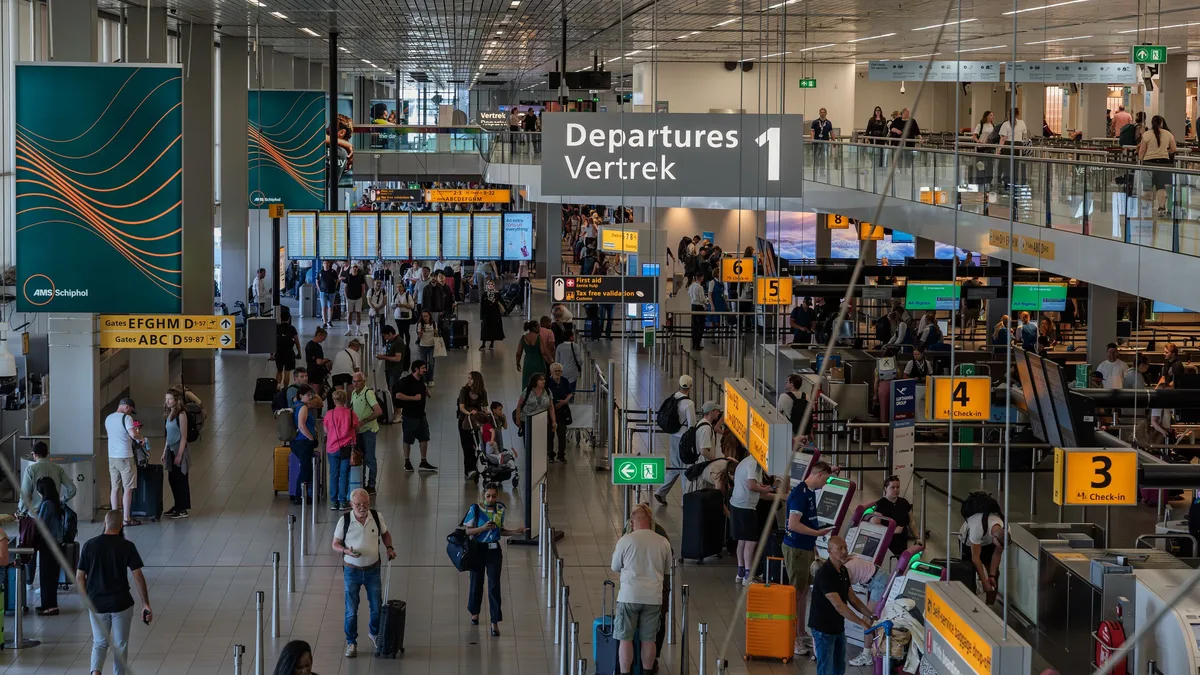
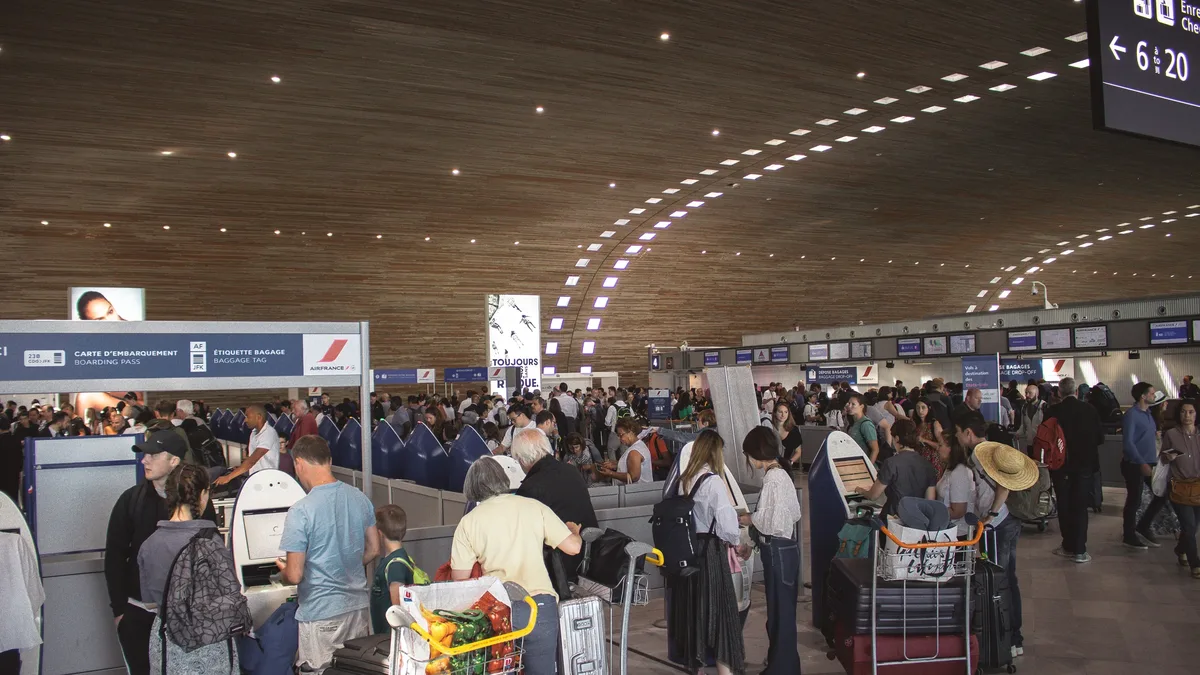
Passengers at Brussels Airport have faced the most severe consequences. In late September 2026, queues at passport controls stretched to five hours, putting travellers at severe risk of missing flights and connections. The airport's infrastructure could process only 500-600 non-Schengen passengers per hour, yet nearly 3,500 could arrive during the busy morning peak between 06:00 and 10:00.
Across the Schengen area, waiting times routinely exceed two hours nearly six months after full implementation. This persistent congestion places terminals under severe strain and puts border staff under exceptional pressure.
Root causes identified in system and staffing
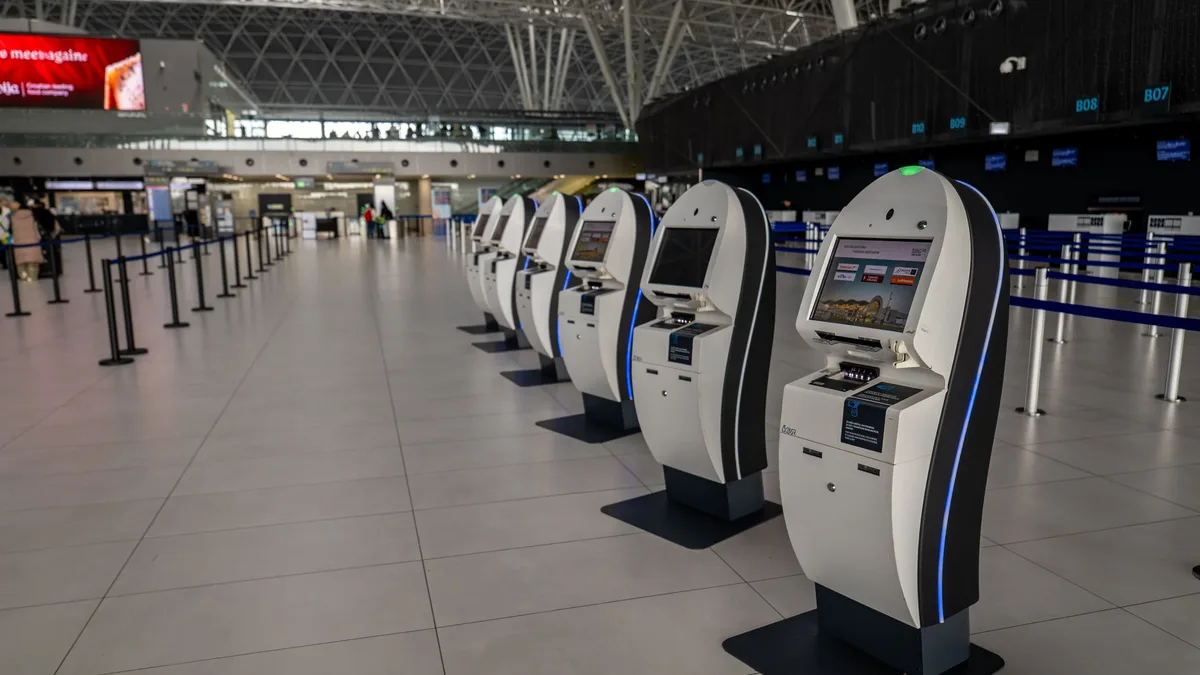
The joint statement pinpoints several underlying issues. These include insufficient staffing at border controls and instability in the supporting IT systems. There has also been limited deployment and use of self-service kiosks and automated border control gates. Shortcomings in the EU's 'Travel to Europe' pre-registration app have further compounded delays.
Processing changes have added to the bottleneck. Travellers from countries like the United States must now pass through staffed booths after using registration kiosks, increasing pressure on limited border-control capacity. In response to the crisis, Brussels Airport confirmed that involved parties are testing automated gates and pre-registration kiosks, training additional border officers, and assessing infrastructure needs.
Joint six-point plan proposed for reform
ACI Europe and A4E have outlined a six-point plan to address the systemic failures. The proposals aim to reduce processing times, improve biometric technology, and grant border authorities greater operational flexibility.
The associations' reform plan includes the following key measures:
EU commissioner acknowledges pressure but defends system
European Commissioner for Internal Affairs and Migration, Magnus Brunner, has acknowledged the problem. He singled out Brussels Airport over the EES-related delays and called for the lengthy queues to be resolved before the Christmas travel period.
However, Commissioner Brunner defended the digital border system. He stated that Member States had agreed to its introduction and had sufficient time to prepare for it. He emphasised that national authorities must now ensure the EES operates effectively, stressing its continued importance for border security.
The Belgian Interior Minister's office, led by Bernard Quintin, stated that all 12 arrivals control positions at Brussels Airport were staffed, indicating that staffing alone is not the sole issue. The aviation associations are now urging the European Commission and Member States to implement their six-point plan at the earliest opportunity, in full cooperation with the industry.