Sydney Airport runway conflicts in July and August 2026 under ATSB investigation
The ATSB is investigating four serious aircraft conflicts at Sydney Airport in July and August 2026.
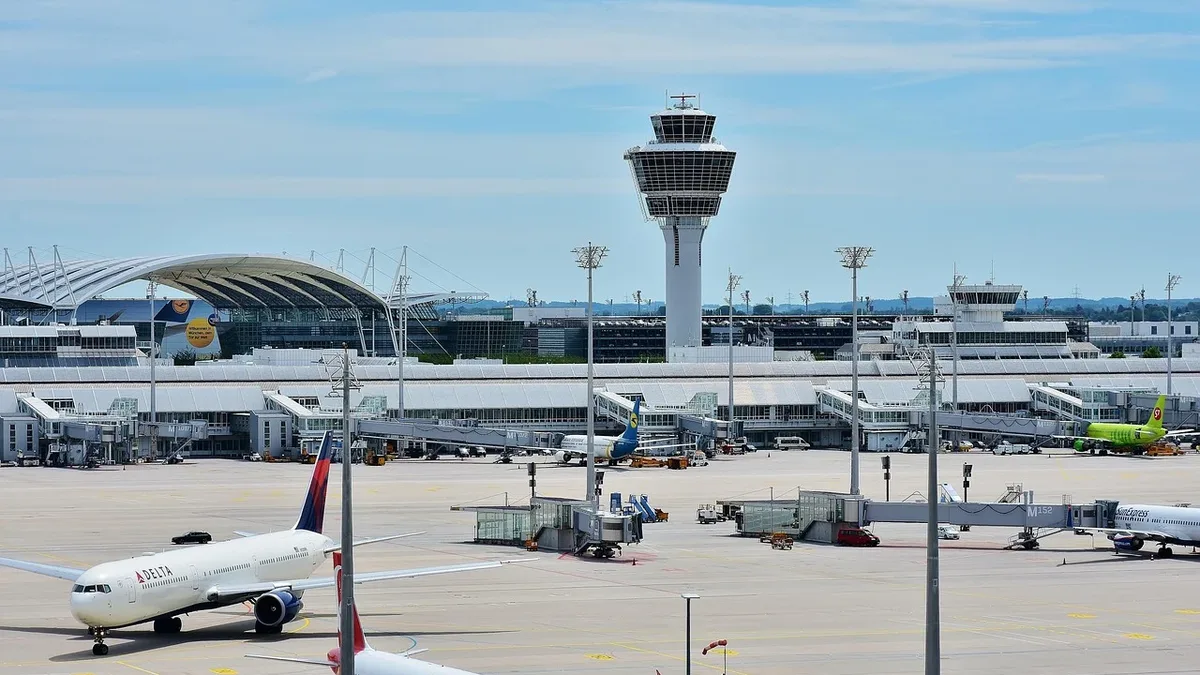
Four serious runway and taxiing conflicts occurred at Sydney Airport between July and August 2026. The Australian Transport Safety Bureau released preliminary reports on these incidents, which have intensified scrutiny of air traffic control procedures at the nation's busiest airport.
The ATSB is investigating six separate safety occurrences reported at Sydney Kingsford Smith Airport during that period. These four confirmed conflicts happened within a three-week window. One event on July 27 was classified as a Category A runway incursion, the most severe rating. This was only the third such event recorded in Australia since 2003. In that incident, a Qantas Boeing 737 was cleared to cross the runway directly in front of a landing QantasLink Dash 8.
Another significant event followed on August 9. A Jetstar Airbus A320 braked abruptly to avoid a Qatar Airways Boeing 777 that was under tow. The sudden stop caused a flight attendant to suffer a fractured wrist. Later that same day, a Qantas Boeing 737 was cleared to cross in front of a Virgin Australia 737 that had just been cleared for take-off. A fourth conflict occurred on August 18, when a Qantas Airbus A321 braked to allow a Qantas Boeing 737 to pass in front of it while taxiing.
Staff fatigue and staffing pressures
Airservices Australia's roster modelling predicted elevated fatigue risks for air traffic control staff during the time of these incidents. The ATSB chief commissioner, Angus Mitchell, identified staff resourcing pressures in Sydney Tower as a recurring focus across several investigations. He specifically cited the combination of operational roles, routine use of overtime, and the conducting of training and supervision alongside regular duties.
The Transport Workers' Union called for urgent action, stating that fatigue and understaffing had reached critical levels. The union's national secretary, Michael Kaine, said the reports demonstrated the need to address this crisis. Airservices Australia and Sydney Airport Corporation are expected to implement interim safety measures while the formal investigations conclude.
Systemic safety concerns at Australia's busiest airport
Sydney Airport is the most complex and busiest airport in the country. It recorded the highest ground-confliction rate per aircraft movement among Australia's major airports after the COVID pandemic. This rate was approximately twenty percent above the national average.
The ATSB's severity scale for runway incursions ranges from Category A to Category D. A Category A event is one where a collision was narrowly avoided, requiring extreme maneuvers by flight crews. The bureau's preliminary reports contain no findings or analysis. These will be included in final reports published after each investigation is complete.
In response to the operational challenges, the government established the Sydney Airport Air Traffic Control Working Group. This group is led by the Department of Infrastructure and includes Airservices, the Civil Aviation Safety Authority, airlines, unions, and Sydney Airport. Its goal is to develop a shared understanding of the issues. A separate Independent Assurance Panel was also formed. Airservices is implementing its own Service Resilience Plan for Sydney Airport.
Both CASA's CEO, Pip Spence, and the Federal Transport Minister, Catherine King, have stated that Australia's aviation system and Sydney Airport remain safe. The ATSB's role is to examine evidence independently and identify systemic safety issues, not to apportion blame. The bureau will analyze air traffic control recordings, radar data, and flight crew statements to determine root causes. Final findings are expected later and will likely include targeted safety recommendations.