Paris Airports Apologizes for Swiss-China Sign Translation
Paris Airports apologized after a translation error on an immigration sign directed Chinese passport holders to an e-gate line reserved for Switzerland and
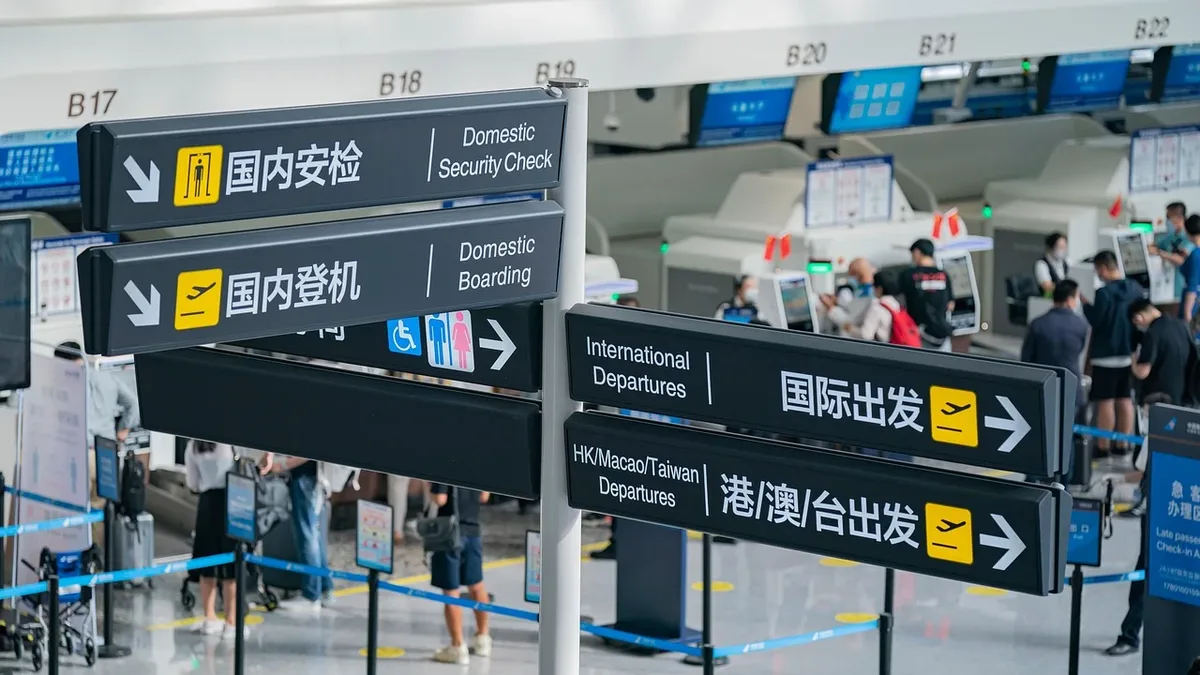
Paris Airports has apologized after a translation blunder caused a sign at immigration to incorrectly direct Chinese passport holders. The error, spotted on September 21, 2026, by X user Pascal Lottaz, was caused by a translator confusing the abbreviation for Switzerland with China.
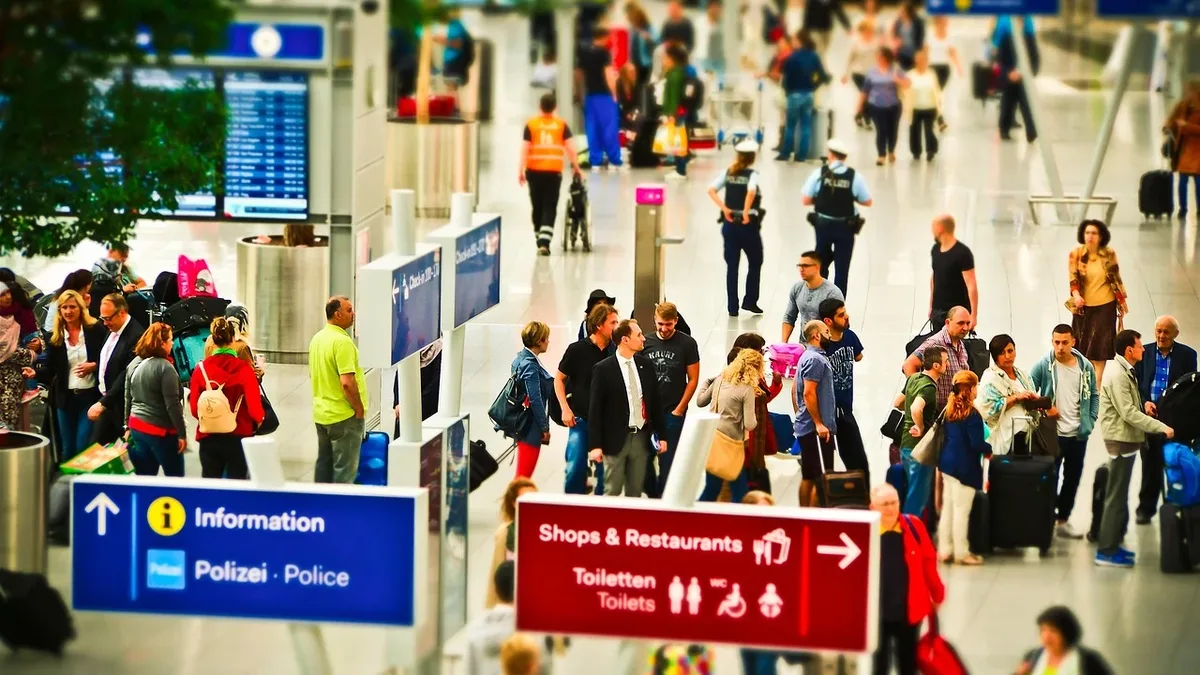
At the entrance to immigration, a sign lists the countries whose passport holders can use the automatic e-gates. The eligible countries are those from the European Union, plus Iceland, Liechtenstein, Norway, and Switzerland. On the sign, Switzerland is abbreviated to the two letters 'CH', derived from its Latin name Confoederatio Helvetica.
Translation Error Sparks Confusion
A Chinese translator hired by the airport operator misinterpreted the 'CH' abbreviation. The translator believed it stood for China and produced a version of the sign directing Chinese passport holders to the e-gate line. This line is only for citizens of the listed European nations and Switzerland. Chinese citizens are not eligible to use these gates.
Pascal Lottaz highlighted the mistake online, writing, "Someone needs to tell Paris Airport that China is not part of Schengen." In response, the official Paris Aéroport account posted an apology on X, stating, "Oops… 👀 It looks like our signs decided to take a trip around the world a little faster than expected."
A Recurring Challenge for Airports
This incident is not an isolated case of signage challenges involving Chinese translations at international airports. According to the source report, several European airports have faced difficulties when displaying information related to Taiwan. The political sensitivity stems from the People's Republic of China's stance that Taiwan is a province, not an independent country.
To avoid diplomatic incidents, airports have employed workarounds. Sometimes a neat row of national flags is interrupted by a simple two-letter abbreviation for Taiwan. This avoids displaying a flag that Beijing does not recognize.
Wider Implications for Aviation
The source notes that airlines have also handled these political sensitivities. Several years ago, Emirates airline faced pressure from Beijing after it was discovered that cabin crew from Taiwan wore name badges featuring the Taiwanese flag. With Taiwanese crew refusing to wear the flag of the People's Republic of China and Beijing threatening sanctions, Emirates resolved the issue by removing all country flags from crew name badges, regardless of nationality.
The incident at Paris Airports shows the complex intersection of language, international codes, and geopolitics in the airport environment. While the erroneous sign has been reported for correction, it served as a public reminder of the precise attention to detail required for passenger guidance systems. The source, Paddle Your Own Kanoo, reported the story.