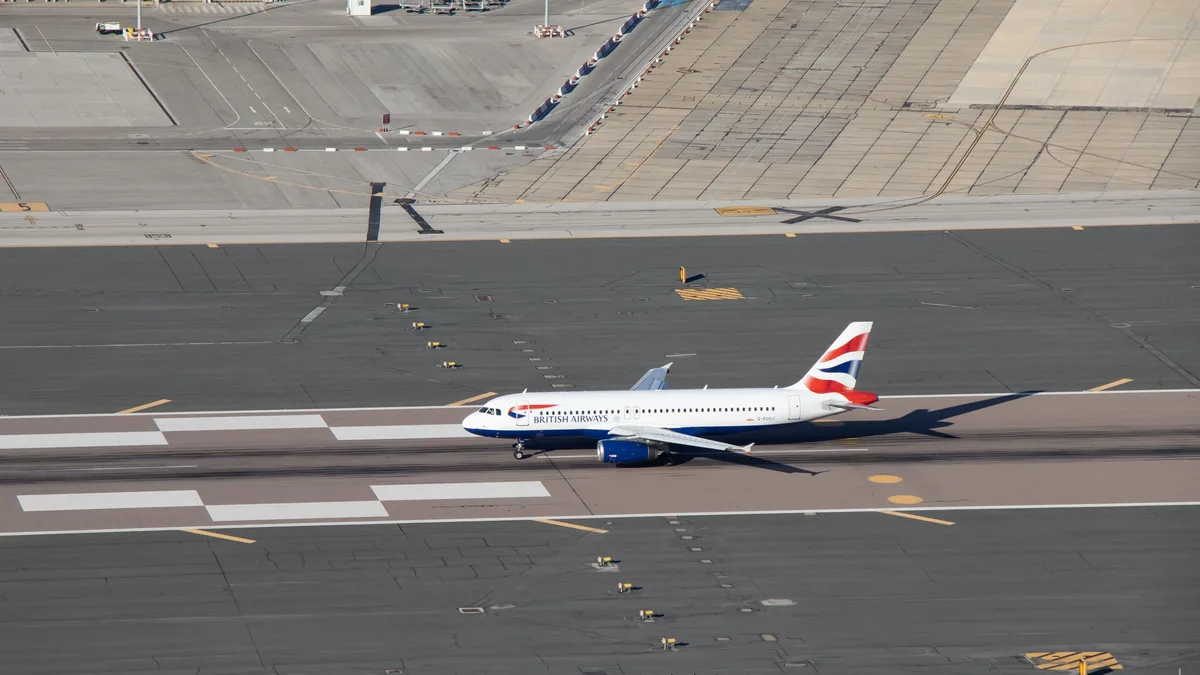
Second wave of hoax bomb threats disrupts European flights
A second wave of coordinated bomb hoaxes targeted at least 27 flights across Europe on Thursday, causing diversions and high-alert landings at major airports. No explosives were found, and authorities confirmed all threats were non-credible.
At least 27 flights across Europe were subject to bomb threats on Thursday, triggering diversions and high-alert procedures. Airports in Birmingham, London Heathrow, and Rome Fiumicino were among those targeted in this second wave of hoaxes this week. Multiple airlines had flights affected, with security searches confirming no dangerous materials were found on any aircraft.
A small number of flights were diverted, while many others faced delays for precautionary checks. The threats, received via email, listed specific flights and claimed bombs were on board. One message stated, 'The explosion will occur in 60 minutes. Today your sky will be red.' It accused recipients of being complicit in a criminal conspiracy and targeted a 'feminist regime.' Operations at Birmingham and London Heathrow continued normally after aviation security commands deemed the threats hoaxes.
A wide range of carriers and airports were impacted. Flights to and from Madrid, Porto, Rome, Dublin, Copenhagen, Milan, Athens, Helsinki, and Bucharest were involved. The list of affected airlines includes:
Specific flight disruptions were confirmed. An Aer Lingus service from Dublin to Rome was diverted to the Evreux airbase west of Paris, escorted by the French air force. Three Ryanair flights heading to Sofia from Copenhagen, Madrid, and London Stansted landed under high alert in Bulgaria, with one diverted to Plovdiv. A Wizz Air flight from Milan to Warsaw made an unscheduled landing in Vienna. Finnair confirmed two of its flights from Helsinki landed as scheduled, though one was escorted by Italian fighter jets to Rome Fiumicino.
Threats linked to extremist group
The hoax threats were attributed to a group calling itself the Fighters of the Male State. The group's email, details of which were confirmed by Rome's airport operator, claimed it wanted to destroy a feminist regime and make its mark on history. This group is likely connected to the Russian-based Muzhskoi Legion, or Male Legion, which was banned by a Moscow court in 2021. The legion has retained a large online following and publicly supported the Russian invasion of Ukraine.
Authorities confirm hoaxes, no explosives found
Security forces across Europe conducted searches on all threatened flights. Nothing suspicious was found. UK Transport Secretary Heidi Alexander described the incidents as malicious hoax threats. Heathrow Airport stated its specific threat was deemed not credible, posing no risk to passengers, colleagues, or aircraft. Birmingham Airport said it initiated its standard processes with emergency services immediately upon receiving the threat. In the Czech Republic, police assessed the threat relevance as low but activated security measures for four expected landings at Prague airport, with minimal passenger impact.
Broader context of disruption
This incident follows similar hoaxes earlier in the week. On November 5, at least a dozen commercial flights made unscheduled or high-alert landings across several European nations. All were confirmed as hoaxes. The International Air Transport Association has urged authorities to track down those responsible for the widespread disruption. Bomb hoaxes are not uncommon, and the vast majority are deemed to have zero credibility by authorities. Standard protocol in many jurisdictions involves using sniffer dogs and bomb squads to search planes, often without causing diversions. In contrast, India's protocols mandate immediate diversion for any bomb threat, a policy the government has admitted might need revision due to continued disruption from copycat hoaxers.
European Union Commissioner for Transport and Tourism Apostolos Tzitzikostas stated that threats against civilians were unacceptable. He added it was too early to link the various incidents and that national investigations remained ongoing. The UK government stated the threats were resolved in the early hours of the day. These disruptions coincided with unrelated cyberattacks targeting supermarket freezer units and French blood banks. National investigations into the origin and coordination of the aviation threats continue, with authorities pledging to track down those responsible.