United Airlines Threatens to Fire Flight Attendants Over Pay
United Airlines warns its flight attendants against 'conflict trading,' a practice where crew exploit rolling delays to get paid for trips they do not
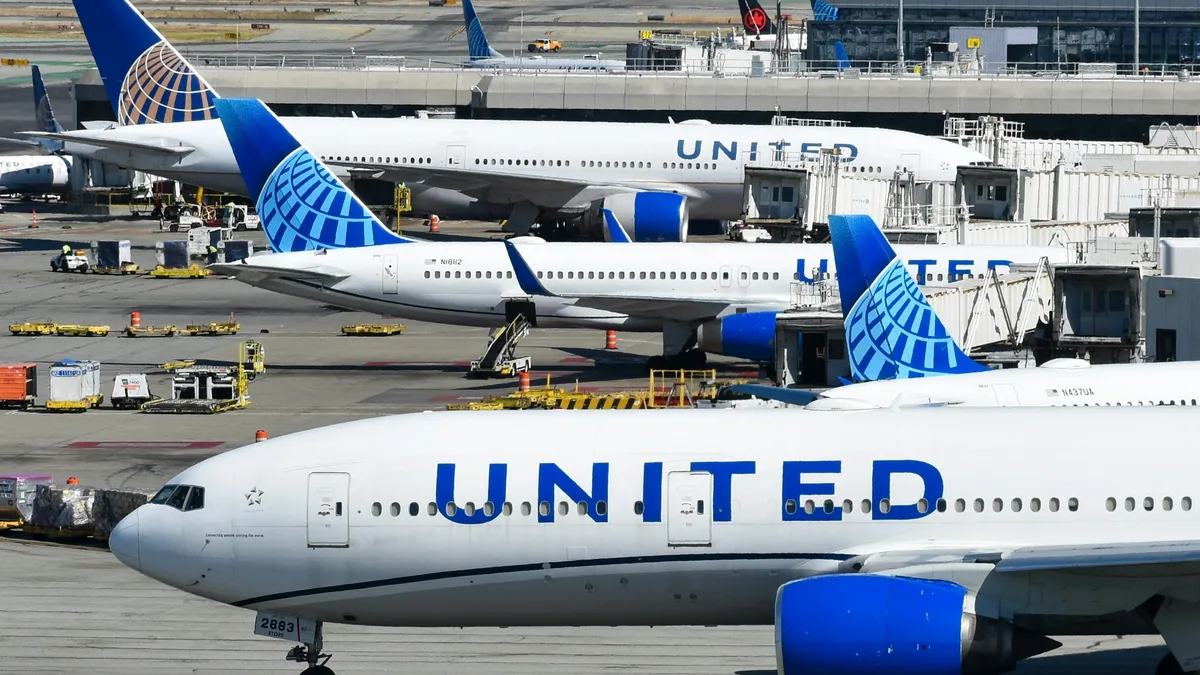
United Airlines has threatened to terminate flight attendants who manipulate trip trades to trigger pay without working. The warning came in an internal email to the carrier's more than 28,000 flight attendants, calling the practice both impermissible and fraudulent.
This tactic, known as 'conflict trading,' exploits a gap in the airline's scheduling software. It undermines what United calls a fair and equitable trading system designed for all crew members.
How the Conflict Trade Works
The scheme relies on flight attendants having advance knowledge of rolling delays. A crew member might be on a trip delayed by maintenance or weather. That delay could infringe on the mandatory 12-hour rest period required before their next assignment.
Before the delay is officially logged in the trip trading system, the flight attendant searches for and picks up a trip scheduled for the following day. The software permits the trade because it is not yet aware of the scheduling conflict. Once the delay is finally updated, the crew member is automatically removed from the newly acquired trip. Crucially, contract pay protection rules then kick in. The flight attendant gets a day off but is paid as if they worked.
"As United employees, we often have information about delays or cancellations available to us before our systems are updated," the internal memo stated. "Using that information for a financial benefit is an impermissible trade practice."
United's Stance and Precedent
The airline's memo asserts that flight attendants must have the genuine intent and ability to operate any trip they pick up. United claims this principle has been affirmed in multiple arbitration cases. Violations can result in discipline or termination.
Ordinarily, United's scheduling team would try to reassign a crew member removed from a trip due to a conflict. If the system updates the conflict too late, however, reassignment may be impossible. This leaves the airline paying for unworked flights.
American Airlines has also warned its crews about similar practices. According to the source report, disciplinary action at American was reportedly shut down because crew contracts allow trip swaps regardless of delay knowledge. United, however, believes arbitration rulings give it the legal precedent to punish conflict trades.
The Ban on Selling Trips
United also strictly prohibits flight attendants from selling desirable trips or days off to coworkers. The airline argues this practice encourages veteran crew to hoard trips they never intend to fly, only to sell them to junior colleagues for cash.
The carrier has even developed software to detect suspicious trading patterns between flight attendants. This system has not been without controversy. Last June, a long-serving crew member fired for illegal trip trading was granted permission to sue the airline after a lengthy legal battle.
While United and American ban the sale of trips, the practice is permitted at several other carriers. The source report lists Southwest Airlines, Alaska Airlines, JetBlue, and Frontier as airlines where it is allowed.
Flight attendants sometimes use coded language in trip trade advertisements to indicate they expect payment. Words like 'cookies' or 'hugs' can signal that financial compensation is required for the swap. This secret vocabulary helps help transactions outside the official system.
The internal memo serves as a stark reminder of the ongoing tension between crew flexibility and operational control. United is drawing a firm line against practices it views as an abuse of internal information and a distortion of its trading platform.