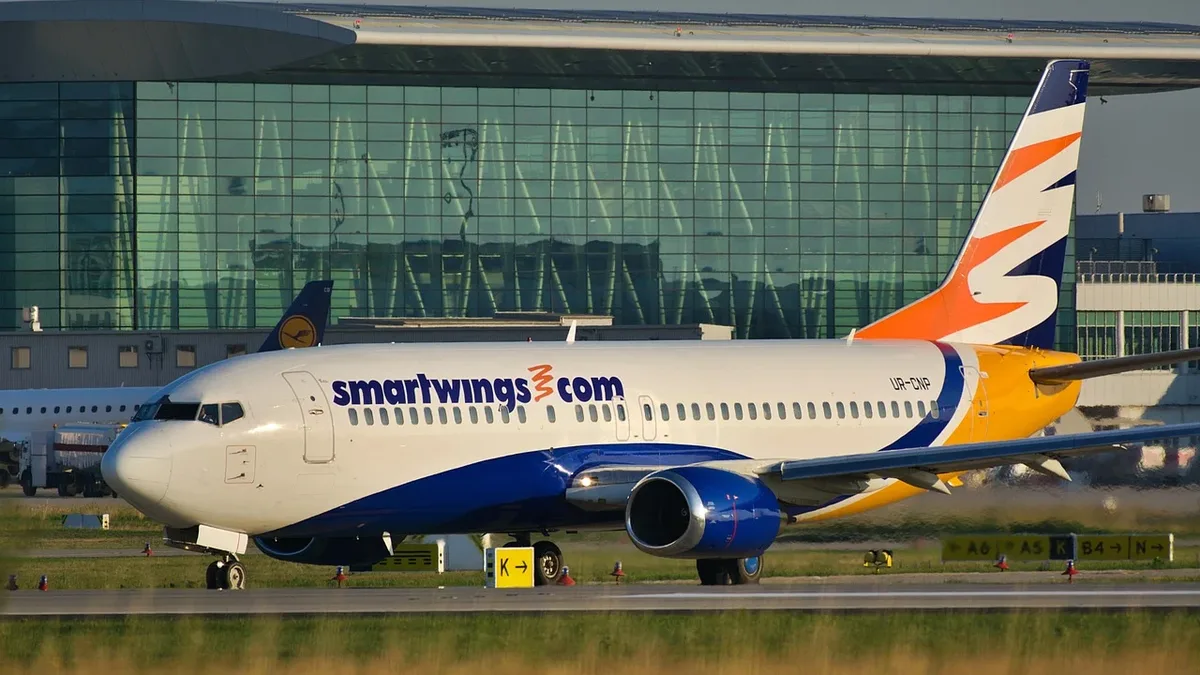
Ryanair Blames EES Kiosks for Border Delays as Summer Relief
Ryanair criticizes the European Commission for ending summer mitigations on full biometric passport checks, citing malfunctioning kiosks and staffing
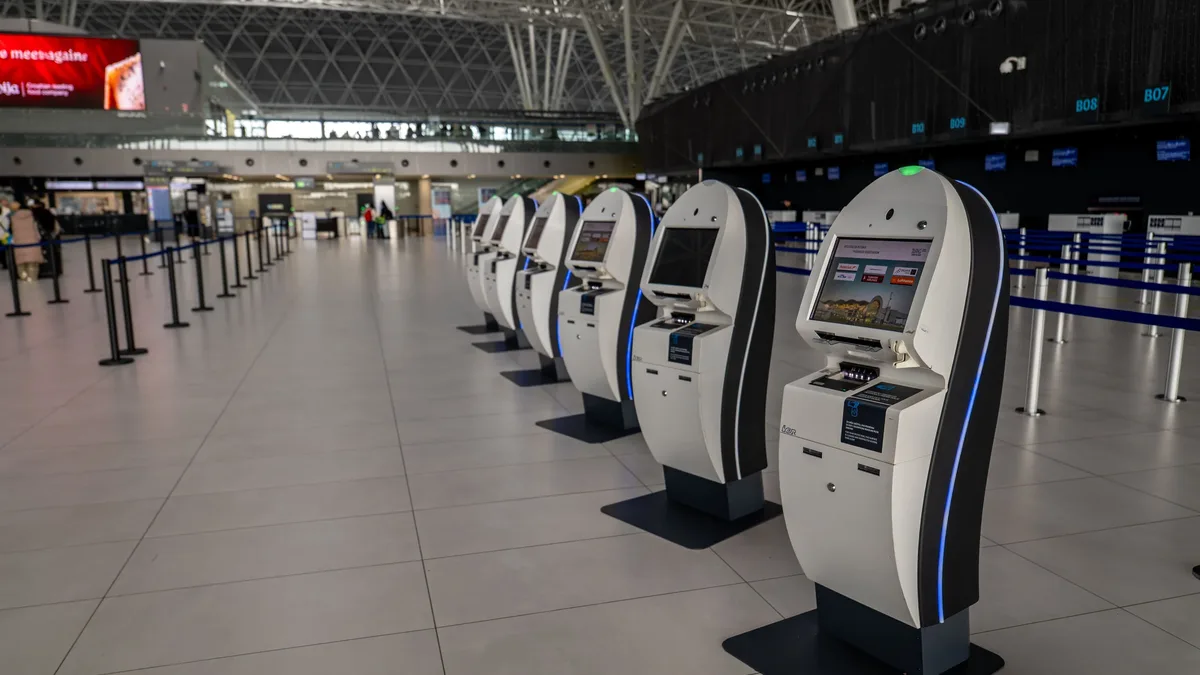
Ryanair has blamed malfunctioning passport kiosks and staffing shortages for ongoing border chaos at European airports. The airline's criticism comes as a summer relief measure from full biometric checks under the EU's Entry/Exit System (EES) ended on September 6.
The European Commission's EES requires non-EU passengers entering from outside the Schengen area to register their biometrics, such as fingerprints and a facial photograph, at self-service kiosks. The system, which replaced passport stamping, was fully implemented across all European airports on March 31. To prevent excessive queues, authorities were permitted to suspend the checks during peak periods over the summer.
Ryanair's chief operating officer Neal McMahon slammed the EU's handling of the rollout on Tuesday. "The EU’s handling of EES has been a shambles from start to finish," he said. McMahon claimed airlines, airports, and border authorities had repeatedly warned Brussels the system was not ready.
The Core of the Problem
Ryanair argues that faulty kiosks remain a major issue, leading to long and unpredictable waits for third-country nationals. After registering biometrics, these passengers must still queue for a standard immigration check. Staffing shortages at these counters are causing a second lengthy delay.
In some nations, non-EU passengers can use automated e-gates after biometric registration to speed up the process. Other governments, however, restrict e-gate access to EU citizens only, exacerbating the congestion.
The EES rules apply to third-country nationals. This includes citizens from countries like the United States, Canada, the United Kingdom, and Australia. It does not apply to citizens of EU member states or those from Iceland, Liechtenstein, Norway, or Switzerland.
How the System Works and Why it Slows Down
Every time an affected traveler arrives in the EU, they must register their biometrics at a kiosk. The kiosk may capture a facial photograph, fingerprints, or both. After this step, the traveler must line up to see an immigration officer for final entry approval.
The system causes delays for two primary reasons. First, the biometric capture process takes time, and many airports lack enough kiosks to handle peak passenger flows. Second, the subsequent queue for an immigration officer creates a bottleneck.
Ryanair is calling for the European Commission to extend the mitigation measures until at least April 2027. The airline wants this time used to fix the kiosks, implement wider e-gate access for non-EU travelers, and resolve staffing shortages. During the summer, wait times at some airports reportedly exceeded four hours, though suspended checks helped avoid the worst predicted chaos.
The system was introduced to improve border security by creating a single, shared EU database to track the entries and exits of third-country nationals. The goal is to help border guards identify overstayers and criminals more quickly. "Passengers should not be made to pay the price for the EU’s failed EES rollout," McMahon added.