Business Class vs Premium Economy: The
For passengers considering an upgrade on ultra-long-haul flights, the choice between premium economy and business class involves stark differences in
Passengers facing ultra-long-haul flights must decide between paying a little more for premium economy or substantially more for business class. The differences extend far beyond ticket price, affecting the entire travel experience from the airport lounge to the cabin seat.
On-The-Ground Airport Experience
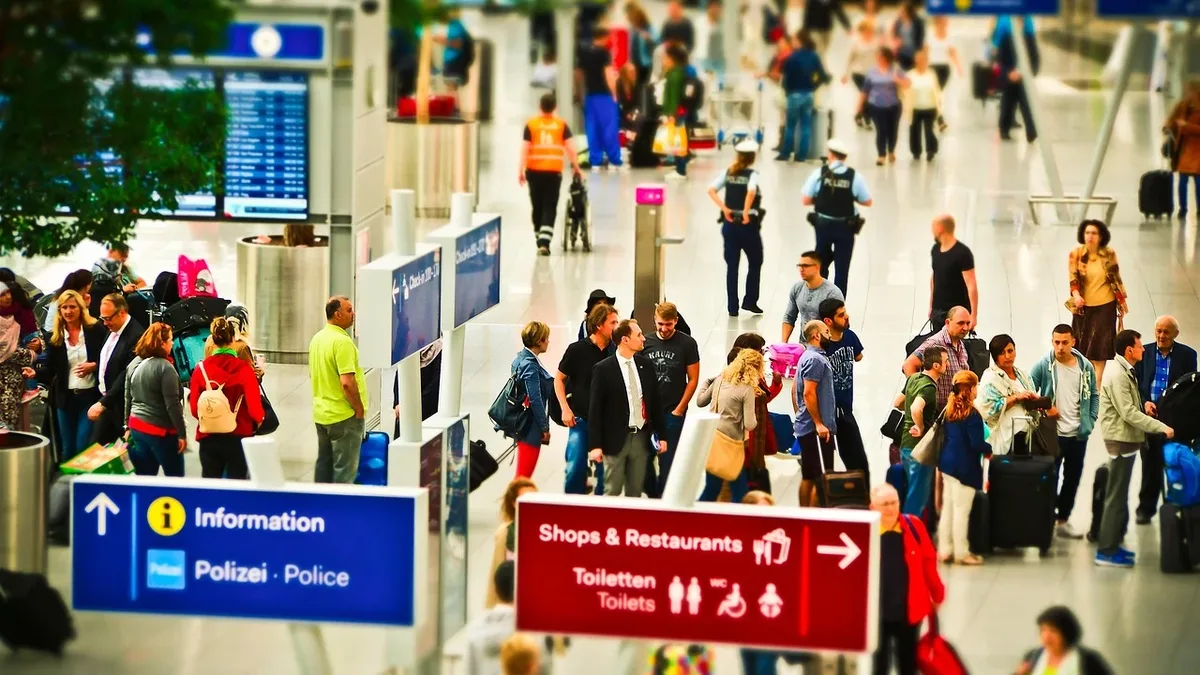
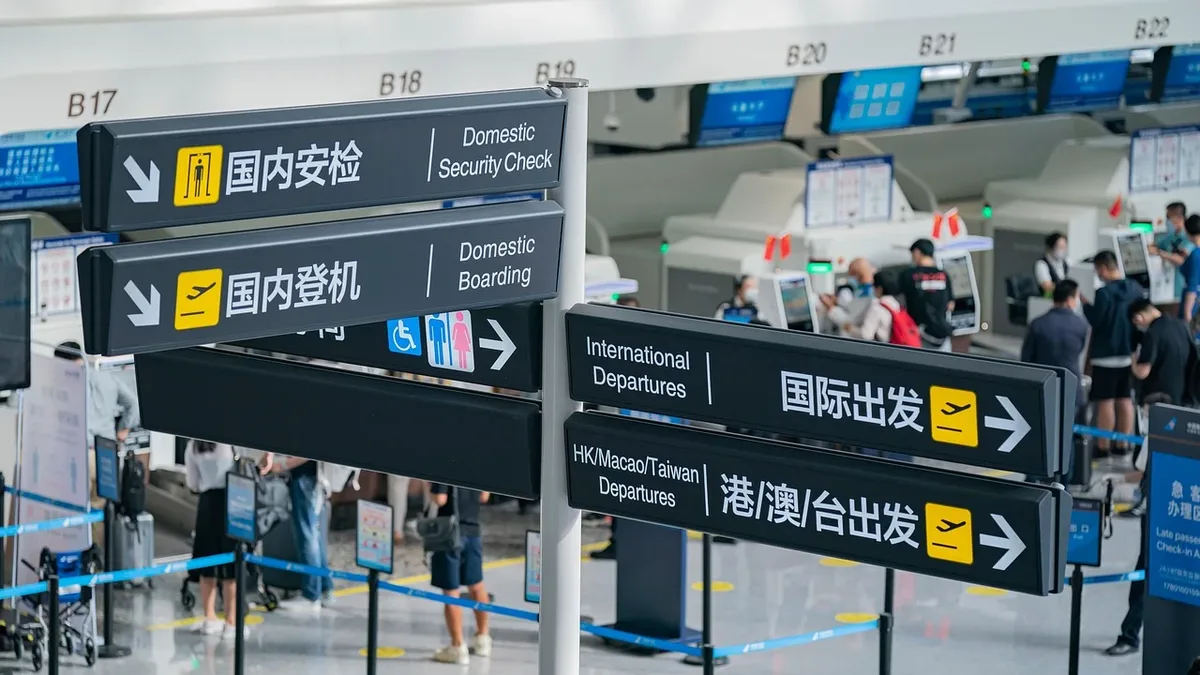
Business class passengers receive high-quality, personalized service before boarding. They typically use dedicated check-in desks. At airports like London Heathrow, London Gatwick, and New York JFK, they also have access to fast-track security lanes. Priority boarding is standard.
The on-the-ground experience for premium economy passengers varies significantly by airport. They usually go through standard security. However, they may sometimes benefit from exclusive check-in lines and priority boarding. This can make boarding less stressful.
The gap in lounge access is narrowing slightly. Some airlines, like All Nippon Airways (ANA), now offer lounge access to premium economy passengers on international flights from select locations. Airports with dedicated ANA lounges include Tokyo Narita, Osaka Kansai, and Honolulu International. Still, lounge access remains a central perk for business class, not a standard offering for premium economy.
Cabin Space & Seat Specifications
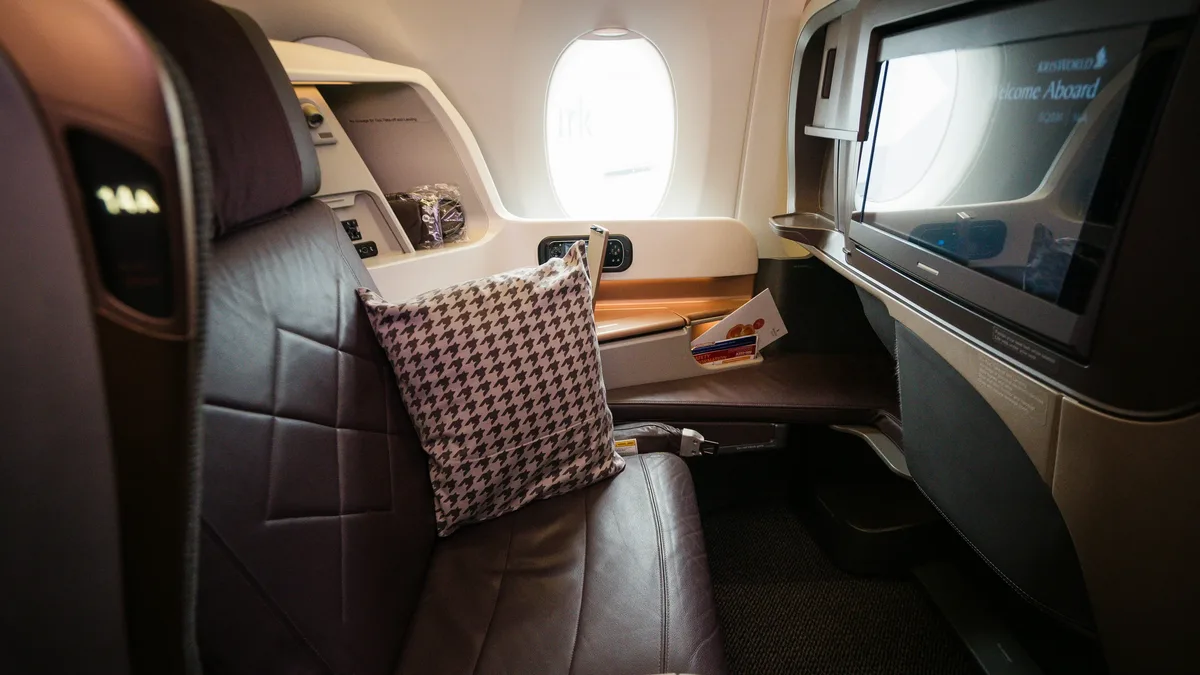
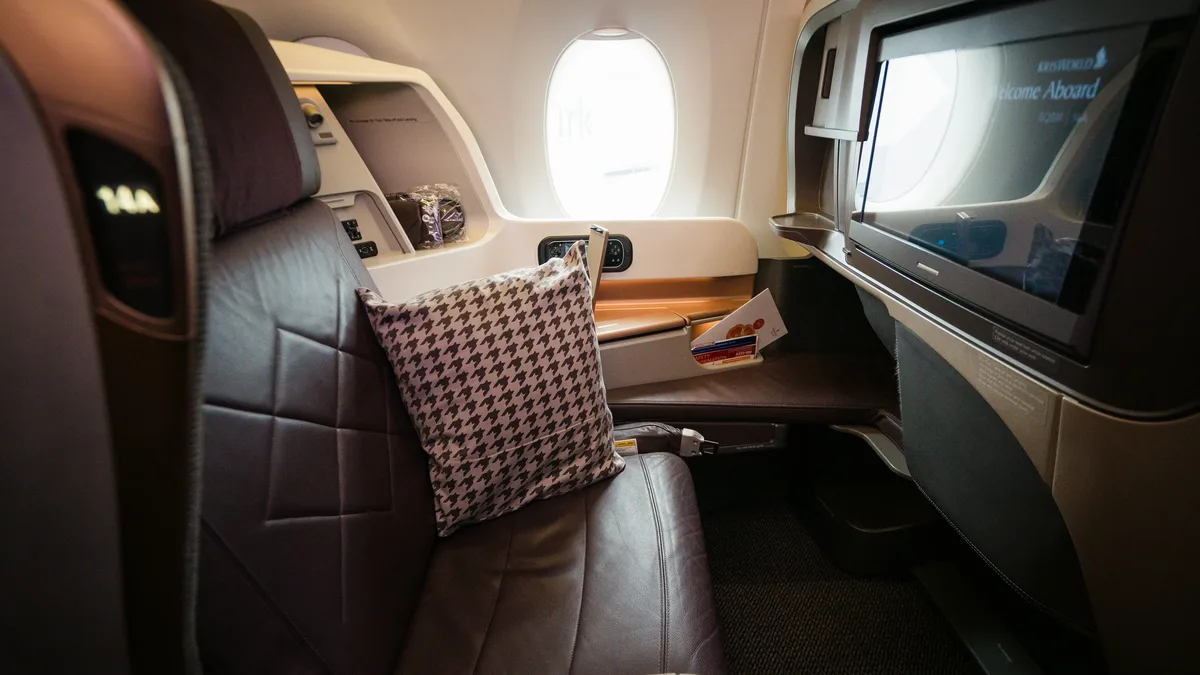
The most obvious difference is seat space and lie-flat capability. Business class seats are designed for sleep and productivity. Premium economy offers more room than economy but falls far short of business class standards.
| Cabin Class | Typical Seat Width | Typical Seat Pitch/Bed Length | Recline |
|---|---|---|---|
| Business Class | 21 inches (53.3 cm) | ~70 inches (178 cm) pitch, lie-flat | Full recline to lie flat |
| Premium Economy | ~19 inches (48.3 cm) | 38-42 inches (96.5-106.7 cm) pitch | 7-8 inches (17.8-20.3 cm) |
| Economy Class | As little as 17 inches (43.2 cm) | 32-34 inches (81.3-86.4 cm) pitch | 5 inches (12.7 cm) or less |
Some airlines surpass these business class norms. All Nippon Airways' 'The Room FX' suite offers a waist width of 27 inches and a bed length of 76.5 inches (194 cm).
Seating Density & Cabin Layout
Cabin density and layout differ sharply. Business class on widebody aircraft now typically features a 1-2-1 layout, giving every passenger direct aisle access. The cabin is small, with more crew per passenger, improving service quality.
Premium economy layouts are denser. Emirates, for example, uses 2-4 2 and 2-3-2 configurations depending on the aircraft. This is lower density than economy, but around half of premium economy passengers lack direct aisle access. The cabin may be separate, offering a sense of exclusivity and guaranteed overhead bin space. Exclusive lavatories may also be provided.
Economy class is far denser. Emirates' Boeing 777s use a 3-4-3 layout, while its Airbus A350s are configured 3-3-3.
The Investment & Passenger Demand
Airlines continue to heavily invest in premium economy cabins. According to analysis by Australian Frequent Flier, the revenue potential is significant. On a United Airlines Boeing 787-8 route from Chicago to Munich, a premium economy ticket cost 278% more than economy, while passengers received just 43% more room. A business class ticket cost 51% more than premium economy but provided double the cabin space.
Research cited in the IOSR Journal of Economics and Finance found demand for business class is elastic, varying greatly with price. Demand for premium economy, however, was found to be inelastic. This consistent demand drives airline investment. The seats require more space than economy but far less than lie-flat business class, allowing carriers to charge a much higher price per square foot of aircraft space.
For economy passengers, the on-the-ground experience is substantially worse, with limited baggage allowances and no separate check-in or priority boarding. The one clear advantage is price. An economy fare can be around 50 to 80% cheaper than premium options.