Southwest Airlines Plans $53 Million Nashville Airport
Southwest Airlines is building a network of airport lounges, starting with a $53 million, 30,000-square-foot facility at Nashville International Airport.
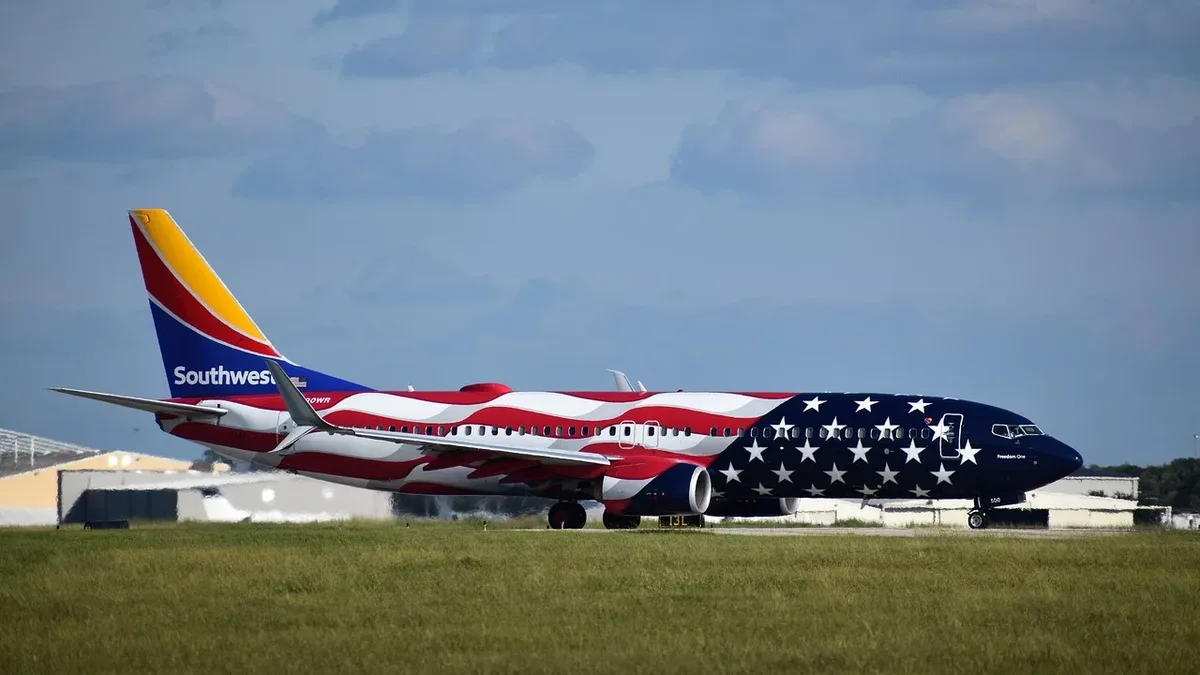
Southwest Airlines is investing $53 million to build a 30,000-square-foot lounge at Nashville International Airport (BNA). This project is the first in a planned network of airport lounges, a major shift for an airline that has never operated a traditional first-class cabin.
The lounge network's economics depend on a broader transformation. This includes new premium seating options and a forthcoming high-end Chase credit card. The strategy aims to monetize the customer relationship beyond the aircraft itself.
The Nashville Lounge Investment
The Nashville project is a substantial commitment. The 30,000-square-foot space requires significant ongoing staffing, food service, and maintenance. Southwest Airlines needs a recurring revenue stream to justify such a large hospitality operation.
Nashville is a logical starting point. Southwest Airlines handles a majority of the airport's passenger traffic. The lounge is therefore targeted at persuading the airline's large existing customer base that a premium ground experience is worth paying for. The project is less about creating new demand and more about capturing more value from current flyers.
Funding Without First Class
Southwest Airlines lacks the direct premium cabin revenue that funds lounges for carriers like American, Delta, and United. Instead, it is creating a premium ecosystem within its single-cabin aircraft. The airline introduced assigned seating on January 27, 2026, ending its 55-year open-seating system. It also now sells Extra Legroom seats with up to five additional inches of pitch.
This approach is already generating customer spending. The airline reported that about 60% of customers upgraded from the base product in the first quarter of 2026. That figure was approximately 20% in 2025. The lounge becomes another optional upgrade in this wider ladder of premium offerings.
The Chase Credit Card Engine
The most critical part of the funding model may be a new premium Southwest Rapid Rewards credit card issued by Chase, set to launch in 2027. Reports prior to its formal announcement indicated an annual fee in the roughly $500-to-$600 range. This card will provide access to the new lounge network.
This arrangement changes the financial picture. A cardholder who pays a large annual fee and uses the card for daily spending generates revenue and loyalty even without visiting a lounge. It also allows Southwest to control lounge access, creating a managed membership pool to prevent overcrowding.
A Multi-Airport Network Strategy
Southwest Airlines has confirmed lounge concepts for four initial airports. Construction is underway, with the first openings expected in late 2027. The carrier plans at least seven additional lounges in the following years, suggesting a network of at least 11 locations.
Tony Roach, Southwest Airlines' Executive Vice President and Chief Customer & Brand Officer, celebrated the move. "Our lounges will be a natural extension of that experience, offering Customers a place to relax and experience the Southwest brand in a new way," he said.
The exact total capital requirement for the full network is unclear. Lounge sizes, airport rents, and construction costs vary. However, the scale indicates this is a major strategic shift, not a minor experiment.
Premium Seating's Financial Role
The lounge investment aligns with the new seating strategy. Southwest now divides its cabin into Standard, Preferred, and Extra Legroom sections. The premium seating initiatives are expected to generate significant revenue.
The company has indicated assigned seating and related initiatives should produce about $1 billion in incremental pretax earnings in 2026. That contribution is projected to rise toward $1.5 billion in 2027. The new system has already contributed to improved passenger yields and incremental revenue in 2026.
This creates a feedback loop. Customers pay for better seats, potentially use a premium credit card, earn loyalty points, and gain lounge access. Southwest Airlines is monetizing more stages of the journey. The absence of a first-class cabin is less significant because the airline is building a premium ecosystem around its fundamental single-cabin model.