Algeria Bans UAE Airlines From Its Airspace
Algeria has closed its airspace to all United Arab Emirates-registered aircraft, impacting Emirates, Etihad, flydubai, and Air Arabia.
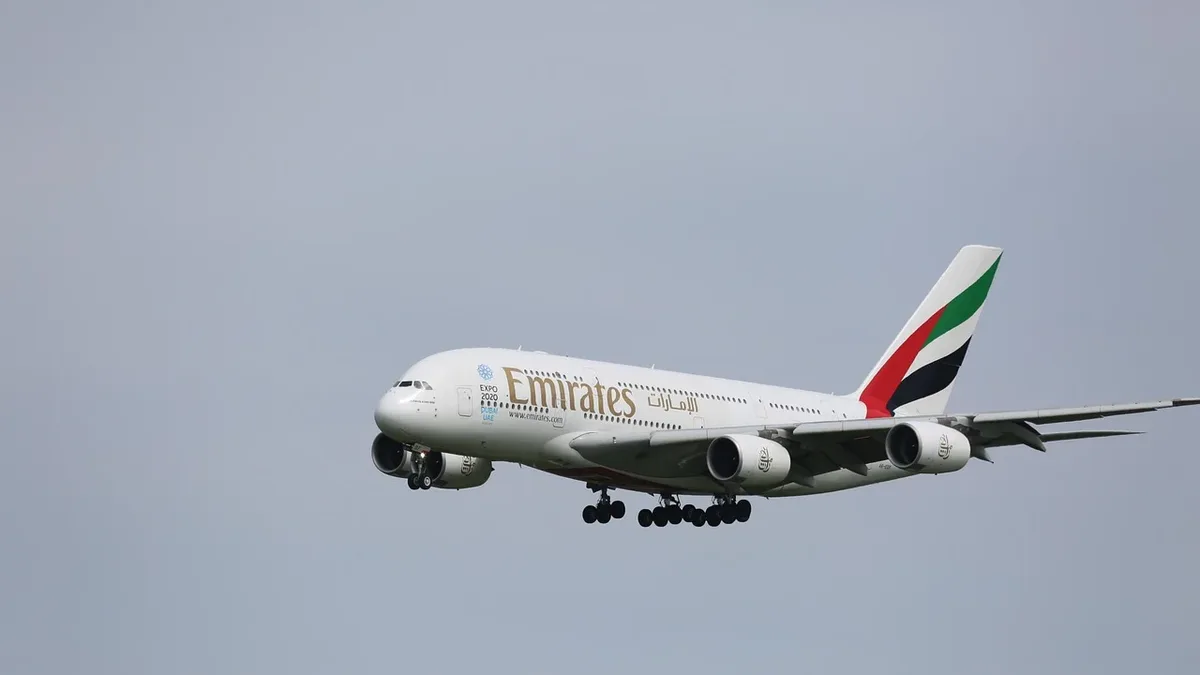
Algeria will close its airspace to all aircraft registered in the United Arab Emirates. The ban affects major carriers Emirates and Etihad Airways, as well as smaller airlines flydubai and Air Arabia.
This action prevents these airlines from flying to, from, or over Algerian territory. It represents a significant escalation of a diplomatic rift between Algeria and the UAE.
Escalation of a Diplomatic Dispute
The airspace ban follows Algeria's earlier decision to terminate its air services agreement with Emirates. That agreement had allowed the Dubai-based airline to operate flights to and from the country. Algerian political leaders have accused the UAE of 'sowing discord throughout the region' by supporting rival secessionist groups in Libya, Yemen, and Sudan. The Algerian government has not publicly detailed the specific reasons for ending the bilateral air deal.
Emirates was permitted to continue its Algerian services until February 2027. However, the airline has already suspended its six-times-weekly flight to Algiers. No other UAE-based carrier currently operates flights to Algeria.
Impact on Flight Operations
The closure of Algerian airspace will force numerous flights to be rerouted. This will extend flight times as aircraft must handle around the country. The operational impact is broader than the direct route cancellations, affecting services to destinations beyond Algeria.
Several key routes connecting the UAE with North Africa and Europe are affected. These include seasonal and regular services to popular destinations.
Consequences for Passenger Journeys
For passengers, the rerouting will likely result in longer flight durations. Increased fuel consumption and operational costs for the airlines are also expected. The report does not specify if fares will be adjusted as a result.
The ban shows how geopolitical tensions can directly influence airport operations and the passenger experience. Flight paths become longer. Schedule reliability can be challenged. The situation remains fluid, dependent on the diplomatic stance of the two nations.
The source notes that Mateusz Maszczynski, a former flight attendant and industry analyst, authored the report. His coverage is frequently relied upon by major journalism outlets. The full implications for network planning and bilateral aviation relations are still unfolding.