Fuel Supply And De Icing Shortages
Origin and history
Fuel supply and de-icing shortages are operational disruptions that originate from the global infrastructure supporting commercial aviation. These are not modern inventions but systemic vulnerabilities that have been documented throughout the history of scheduled air travel, particularly since the jet age expanded operations in the mid-20th century. Their prominence as critical, cascading failures became acutely visible to the industry and the public in the late 20th and early 21st centuries. Specific regional events, such as severe winter storms in the northeastern United States or supply chain failures in Europe, have repeatedly acted as catalysts for widespread shortages. The history of these disruptions is intertwined with the increasing complexity of just-in-time logistics and the centralization of fuel distribution networks. Historical analysis shows that periods of extreme weather, geopolitical tension affecting fuel supplies, or sudden spikes in demand have consistently been the primary triggers.
What it is for
A fuel supply shortage at an airport means that the volume of aviation fuel available from storage facilities and pipelines is insufficient to meet the scheduled demand of all aircraft. A de-icing fluid shortage occurs when the supply of specialized glycol-based fluids, used to remove or prevent ice accumulation on aircraft, cannot meet operational needs during winter conditions. These are not services but critical resource deficits that directly halt the core function of an airport: the safe turnaround and dispatch of aircraft. For the airport, these shortages trigger formal contingency plans, often requiring the declaration of a ground stop or similar flow control measures. For the passenger journey, these shortages represent a fundamental breakdown in the operational chain, moving from mere delay to probable cancellation. The purpose of understanding these terms is to categorize a specific, severe type of travel disruption that is beyond the control of any single airline and requires large-scale logistical intervention to resolve.
Pros and cons
There are no advantages to fuel supply and de-icing shortages; they are unambiguously negative operational failures. The primary con is the immediate and large-scale cancellation of flights, which strands passengers, disrupts crew schedules, and displaces aircraft across the network. A common mistake by airport and airline managers is underestimating the lead time required to rebuild depleted de-cing fluid reserves after a major storm, leading to a second wave of disruptions. Airlines often regret having optimized their schedules for maximum aircraft utilization without sufficient buffer for such systemic shocks, as recovery costs far exceed any efficiency gains. For the passenger, the major con is the lack of a clear recovery timeline, as these shortages are not resolved by simply waiting for weather to clear but depend on the physical delivery of bulk materials. These disruptions also expose a critical vulnerability in the aviation system's reliance on fragile, centralized supply chains for mission-critical resources.
Who it suits
These disruptions suit no one; they are universally detrimental. However, they disproportionately impact certain groups. Passengers on the final leg of a complex itinerary are often the worst affected, as rebooking options diminish. Low-cost carriers with minimal slack in their fleet and crew scheduling are typically less resilient to these shocks compared to larger network airlines with more resources. Airports located in colder climates with high seasonal traffic but limited on-site fuel and fluid storage capacity are particularly susceptible to these shortages. The disruption suits, in a negative sense, the analysis of risk managers and contingency planners who study these events to reinforce supply chains. Ultimately, these shortages highlight the systemic risks faced by all stakeholders in regions where infrastructure investment has not kept pace with operational demand or climate variability.
Latest Fuel Supply And De Icing Shortages news
Latest reporting
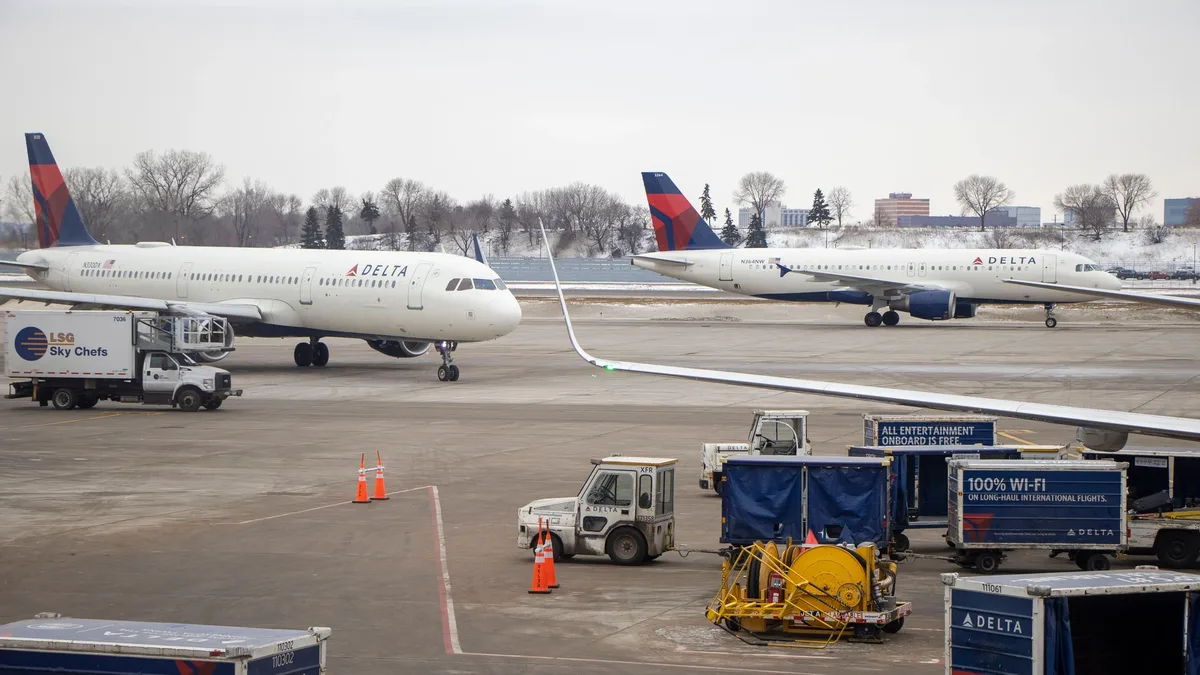
Boston Logan fuel shortage forces airlines
A rare September nor'easter has blocked fuel barges from reaching Boston Logan International Airport, forcing airlines to tanker extra fuel on inbound
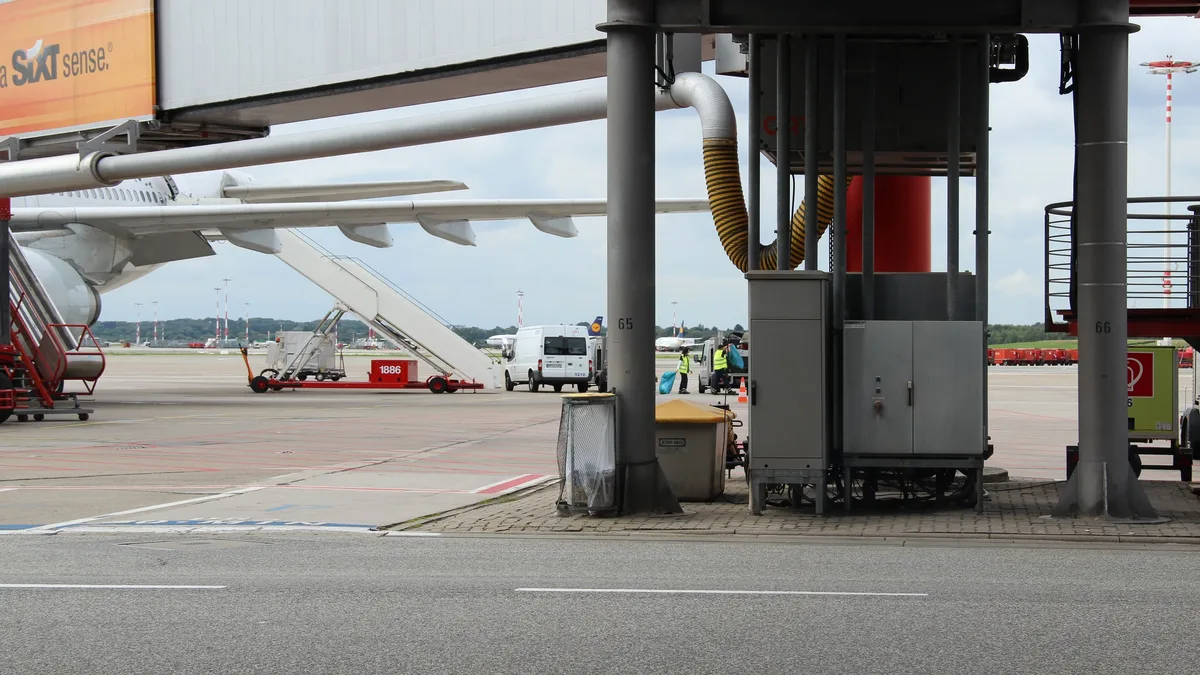
Exeter Airport hydrogen ground equipment
A trial at Exeter Airport using a hydrogen-diesel dual-fuel ground power unit found it operated safely in winter, cut diesel consumption by 24...
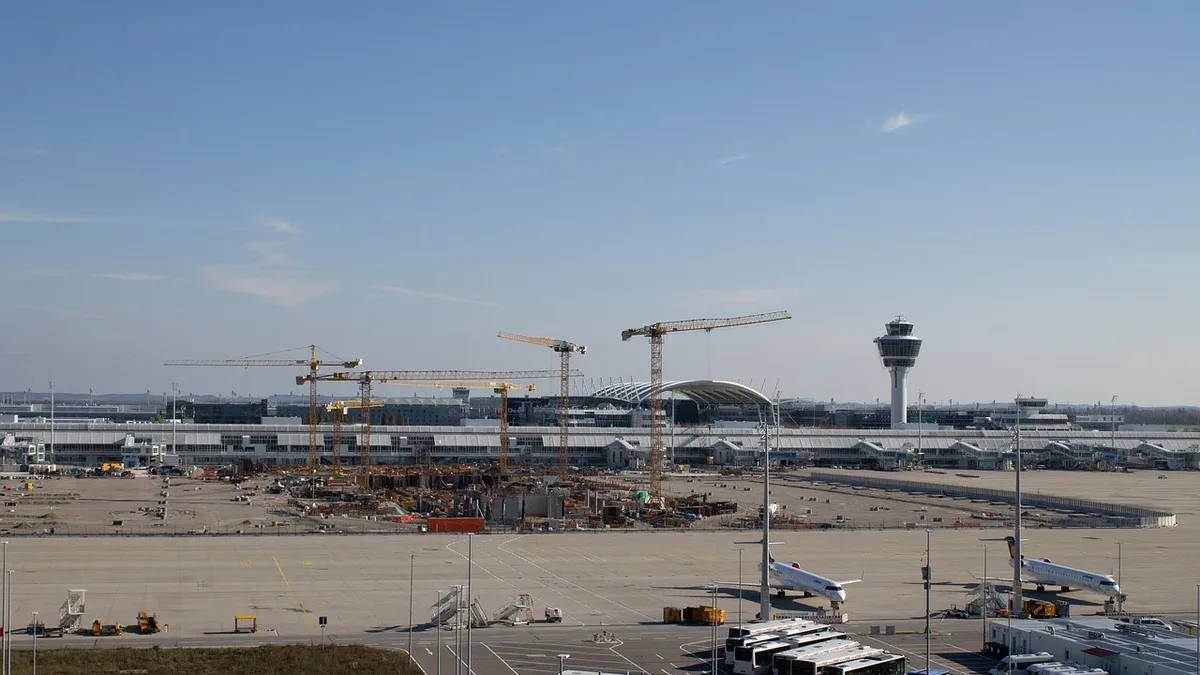
Heathrow expansion to create 108,000 UK jobs
Heathrow Airport states its privately-funded expansion plan will create over 108,000 jobs nationwide and boost UK supply chains, as government
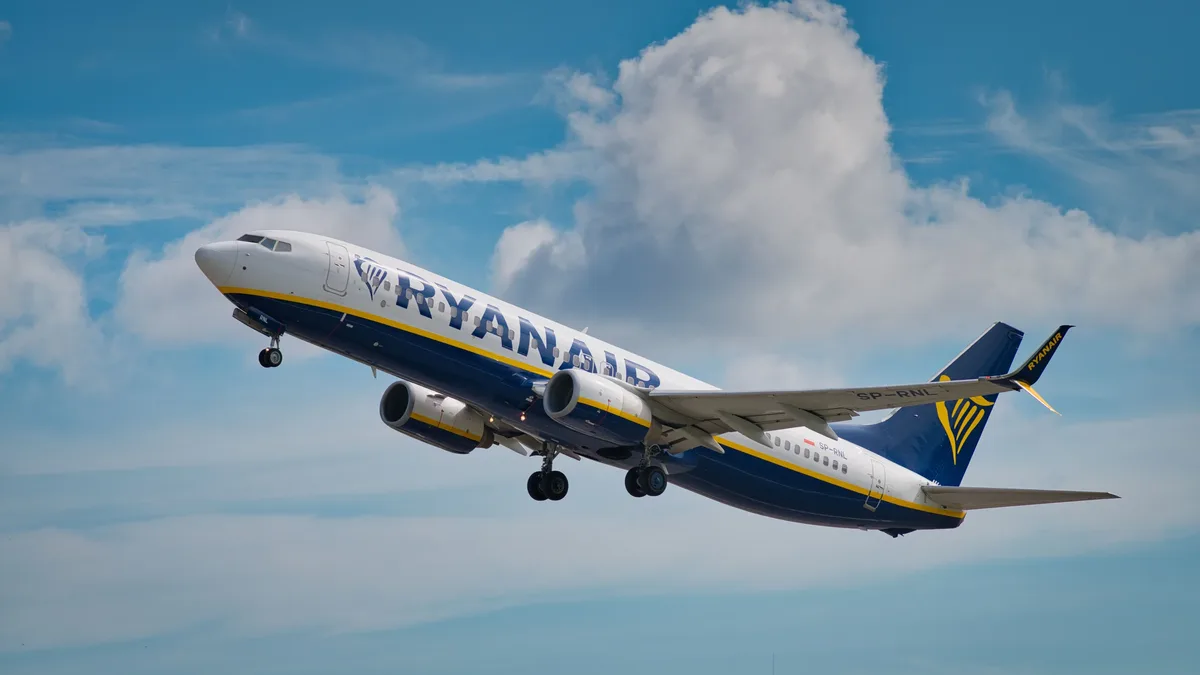
Ryanair Cuts Flights as Fuel Prices Soar
Ryanair is reducing its winter flight schedule and passenger targets, citing high jet fuel prices of nearly $140 per barrel.
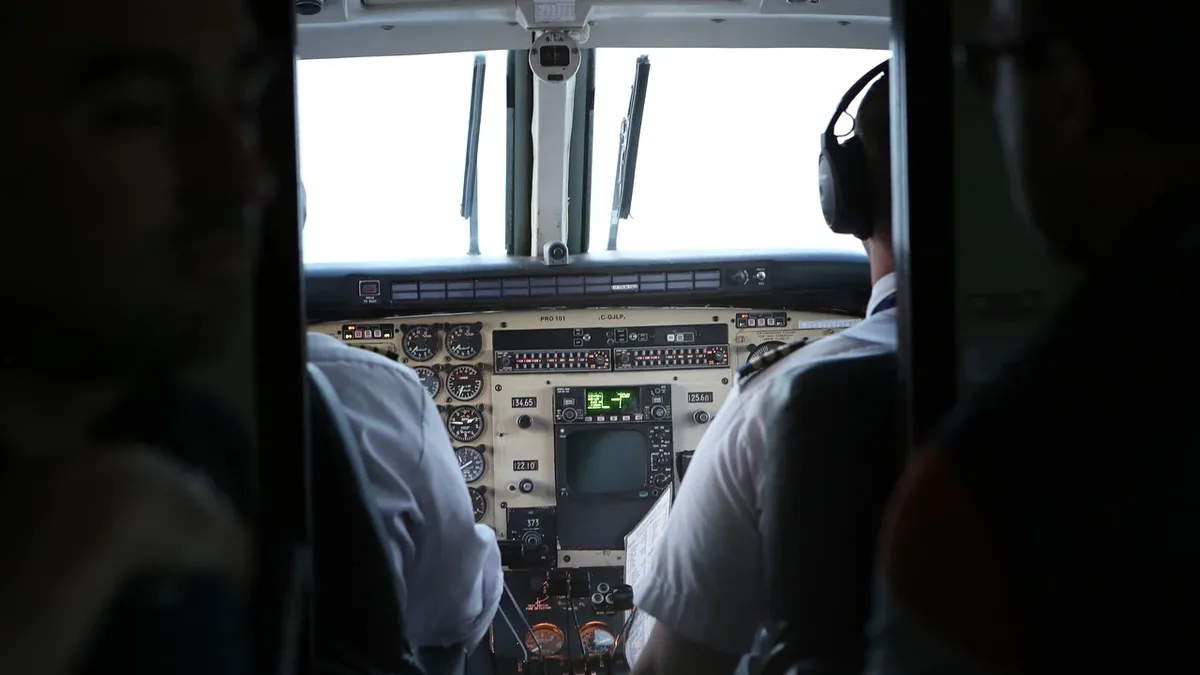
Delta Pilot Scheduling System Explained
Delta's pilot schedules involve seniority bidding and federal rest rules, which is why crew shortages can lead to flight delays.
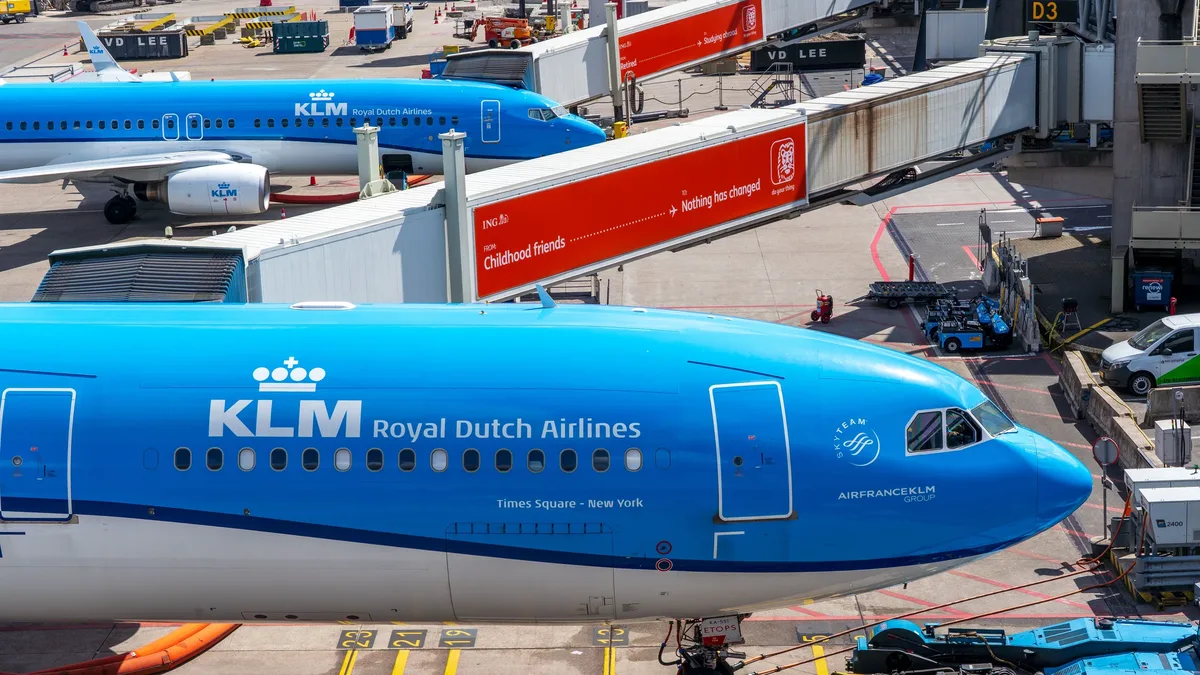
Rotterdam Airport Hosts Liquid Hydrogen
Rotterdam The Hague Airport and the Royal NLR have demonstrated a drone flight powered entirely by liquid hydrogen, testing the full supply and...