Delta Pilot Scheduling System Explained
Delta's pilot schedules involve seniority bidding and federal rest rules, which is why crew shortages can lead to flight delays.
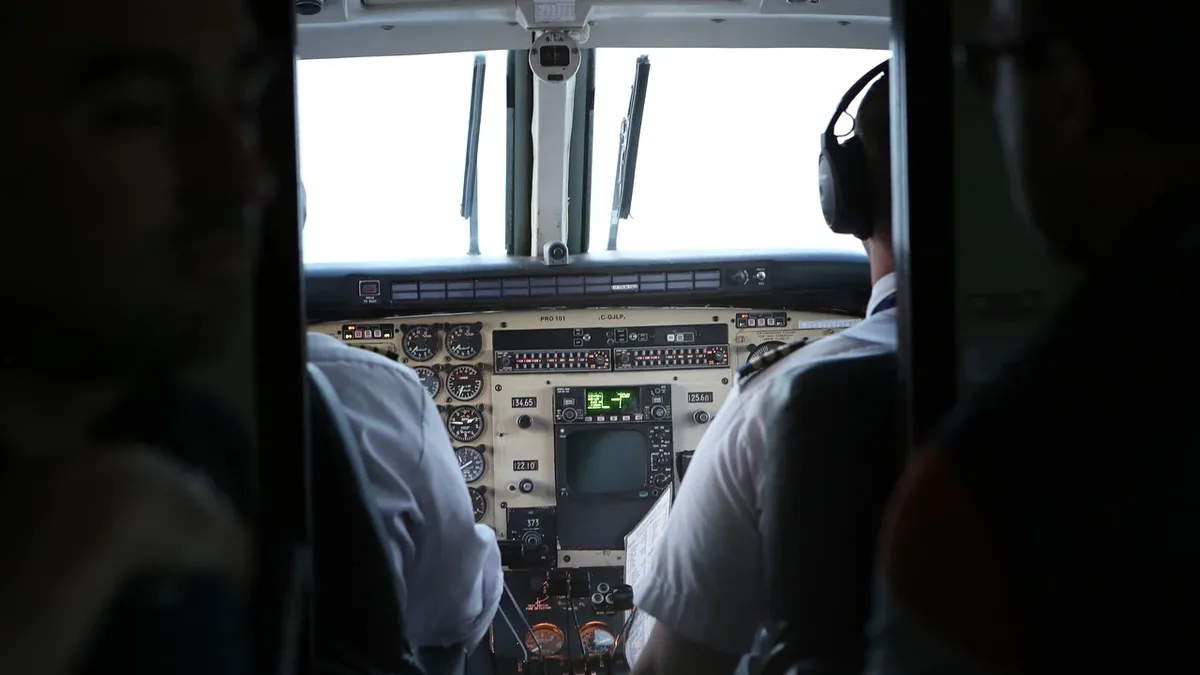
Delta Air Lines and its pilots' union are negotiating over scheduling practices. The system for the airline's roughly 17,000 pilots is governed by federal rules, a union contract, and complex software.
Passengers often see only the final result: a delayed flight due to a missing crew member. Behind the scenes, a restrictive scheduling system may have consumed available flexibility hours or days earlier.
Seniority And Software Build The Schedule
A pilot's monthly schedule is not built at the last minute. It starts with a Preferential Bidding System (PBS). Pilots submit requests for days off, report times, and specific flight sequences, known as pairings. The Air Line Pilots Association (ALPA) says most of its pilot groups use this software.
The system then applies seniority and contractual rules. More senior pilots generally secure their preferred combinations. Junior pilots get fewer choices. The PBS software must solve an optimization problem. It balances all these individual preferences against the airline's need to staff every flight.
Sometimes the outcome seems odd. A pilot may get a trip they did not bid for. The system must still build a legal schedule for everyone. When a bid is too restrictive, the software enters 'denial mode.' It progressively relaxes the pilot's requested preferences until a workable schedule is found.
Reserve Pilots Are Not On Immediate Standby
A reserve pilot is not simply waiting at the airport. They are assigned a period during which the airline can call them. Federal regulations define different types of reserve status.
Short-call reserve is for relatively immediate needs. Long-call reserve involves advance notice. A reserve pilot is still constrained. They must be qualified for the specific aircraft, legally available, sufficiently rested, and able to reach the airport in time.
Using a reserve pilot to fix one problem shrinks the available pool. This can create a chain reaction. Solving the first crew shortage may leave no one to cover the next disruption.
Federal Rest Rules Are Absolute
Even the best scheduler cannot override federal fatigue regulations. Under Part 117, a pilot must generally get at least 10 consecutive hours of rest between duty periods. This includes an opportunity for eight hours of sleep.
A crew that arrives late may seem like an obvious replacement. Legally, they are unavailable until their rest period is complete. The same applies to a pilot finishing a late-night shift. They cannot be assigned to an early morning flight just because they are nearby.
An aircraft may be ready. Passengers may be onboard. The flight cannot proceed if the available crew has crossed a regulatory boundary. Safety and legality come before convenience.
The Pilot Contract Governs Changes
When plans fall apart, airlines need rules to move crews. The pilot contract establishes these. At Delta, ALPA's scheduling handbook describes a system for trip swaps and reroutes.
Changes depend partly on whether enough reserve coverage exists. A pilot wanting to trade trips may find it impossible if reserve levels are too low. The contract, not just operational need, dictates what is possible during irregular operations.
This layered system of software, seniority, regulation, and contract explains the passenger's frustration. A simple solution is rarely available because the flexibility was allocated long before the flight was ever delayed.