Downgraded Cabin
| Definition | A passenger's assigned seat is moved to a lower service class than originally booked. |
|---|---|
| Typical cause | Overbooking, aircraft substitution, or operational irregularities. |
| Passenger rights | Governed by airline policy and relevant aviation regulations (e.g., EU 261/2004). |
| Common compensation | Reimbursement of fare difference, frequent flyer miles, or voucher. |
| Process | Typically handled at the gate or during check-in by airline staff. |
| Documentation | Passengers receive a written notice detailing the change and compensation. |
| Recourse | Escalation typically through airline customer relations or national enforcement body. |
Origin and history
The practice of airline-initiated cabin downgrades, often termed 'involuntary downgrading' or 'Downgraded Cabin', emerged as a systematic operational tool within the global commercial aviation industry in the late 20th century. Its formalization is closely tied to the development of complex revenue management and overbooking policies that became standard among major carriers, particularly in North America and Europe, from the 1970s onward. The need for a structured process arose from the routine operational disruptions caused by aircraft substitutions, where a smaller aircraft with a different cabin configuration replaces the planned one. Historical precedent shows that before standardized compensation regulations, airlines often handled these situations on an ad-hoc basis, leading to passenger dissatisfaction and legal challenges. The codification of downgrade procedures, including compensation rules, was largely driven by regulatory bodies like the European Union, which established definitive passenger rights legislation in the early 2000s. This established Downgraded Cabin not as an occasional accident but as a documented, regulated component of airline operations, with its history intertwined with the evolution of consumer protection in air travel.
What it is for
A Downgraded Cabin refers to the situation where a passenger holding a confirmed ticket for a specific travel class is reassigned to a lower class of service for all or part of their journey due to operational necessities. Its primary function for the airline is to manage aircraft capacity and ensure flight dispatch when the originally scheduled cabin configuration is unavailable, often due to last-minute aircraft changes for maintenance or logistical reasons. It serves as a mechanism to accommodate all ticketed passengers on a flight that may have been overbooked in the higher cabin, prioritizing the movement of people over the promised service level. The process is also a tool for resolving seating conflicts arising from aircraft type changes, where the replacement aircraft simply has fewer seats in the premium cabin than were originally sold. From a systemic perspective, it exists to provide airlines with a last-resort option to mitigate the financial and operational impact of irregular operations, beyond simply denying boarding to passengers. The formal downgrade procedure, including defined compensation, is designed to convert a service failure into a regulated transaction, providing a clear resolution path for both the carrier and the traveler.
Pros and cons
The primary pro for the airline is operational flexibility, allowing a flight to depart with a full passenger load even when the planned cabin setup is unavailable, thus minimizing broader schedule disruption. For the passenger, a clear pro is that they are still transported to their destination on their planned flight, which can be critical for connections or time-sensitive commitments, and they are typically entitled to immediate and legally mandated compensation. A significant con is the tangible reduction in service experience, including narrower seats, reduced legroom, diminished catering, and loss of amenities like premium lounge access or priority baggage handling, which can be particularly severe on long-haul flights. The process often generates profound customer dissatisfaction and a sense of broken trust, as passengers feel a contracted service has been unilaterally devalued, regardless of the financial reimbursement offered. A common mistake passengers make is not checking their boarding pass carefully at the gate or upon issuance, sometimes only discovering the downgrade after boarding, at which point negotiating compensation becomes more difficult. This situation least suits business travelers who require in-flight workspace or rest, and who may have their employer's travel policy invalidated by flying in a lower class than booked, causing reimbursement complications.
Who it suits
This situation suits passengers whose sole absolute priority is reaching the destination on the original scheduled flight, for whom any delay would be more disruptive than a loss of comfort. It can suit highly price-sensitive leisure travelers who may view the mandatory compensation as a significant financial rebate on their original ticket, effectively valuing the monetary payout over the cabin experience. It may also suit infrequent flyers who do not place high value on premium cabin amenities and are primarily focused on the transportation outcome rather than the service journey. The Downgraded Cabin does not suit passengers with specific physical needs, such as those who booked premium cabins for extra space due to mobility issues or medical conditions, for whom the alternative seating may be unsuitable or painful. It is particularly ill-suited for travelers on special occasions like honeymoons or milestone celebrations, where the premium service was an integral and non-fungible part of the experience, making financial compensation an inadequate substitute. Finally, it fails to suit status-seeking frequent flyers, as a downgrade often means missing out on accruing valuable tier points or mileage for the higher fare class, directly impacting their loyalty program benefits and status maintenance.
Latest Downgraded Cabin news
Latest reporting
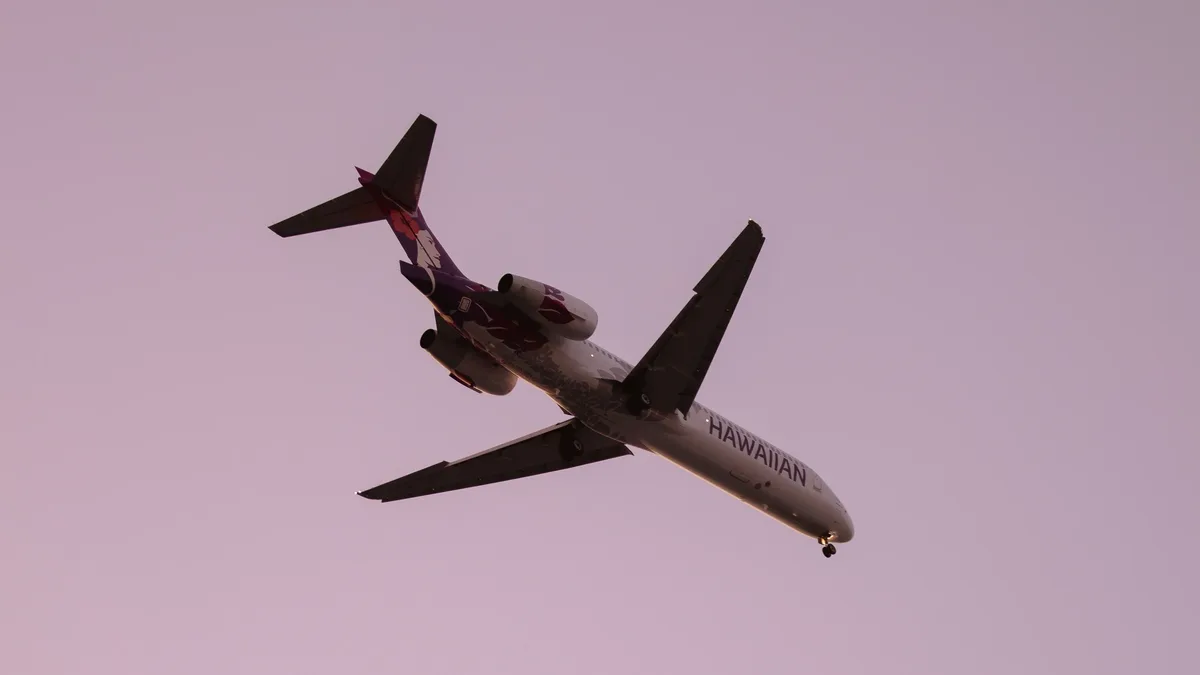
Hawaiian Airlines AS803 cabin odor incident September 24
Seven Hawaiian Airlines flight attendants fell ill from a mystery odor on a September 24 flight from Los Angeles to Honolulu.
Boeing 747-8 Crew Rest Areas Detailed
The Boeing 747-8 features dedicated rest compartments for pilots and cabin crew, essential for long-haul operations.
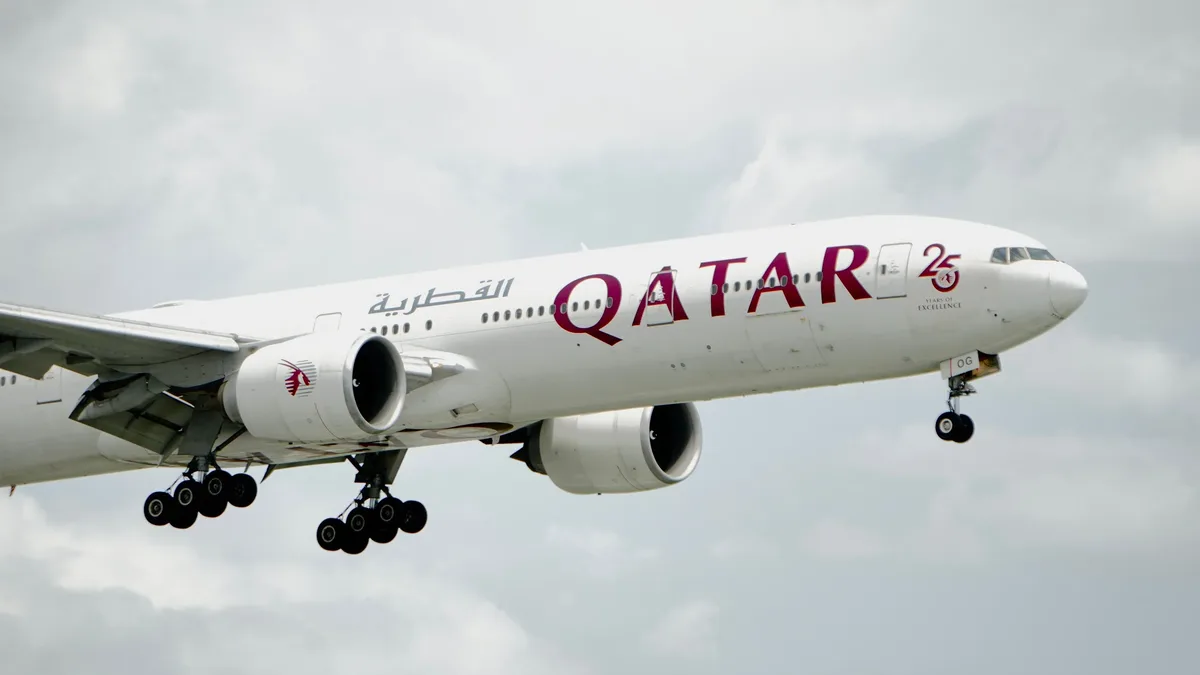
Qatar Airways Still Refusing Premium Economy
Emirates has launched a next-generation Premium Economy seat described as world-leading, while Qatar Airways continues to reject the cabin class...
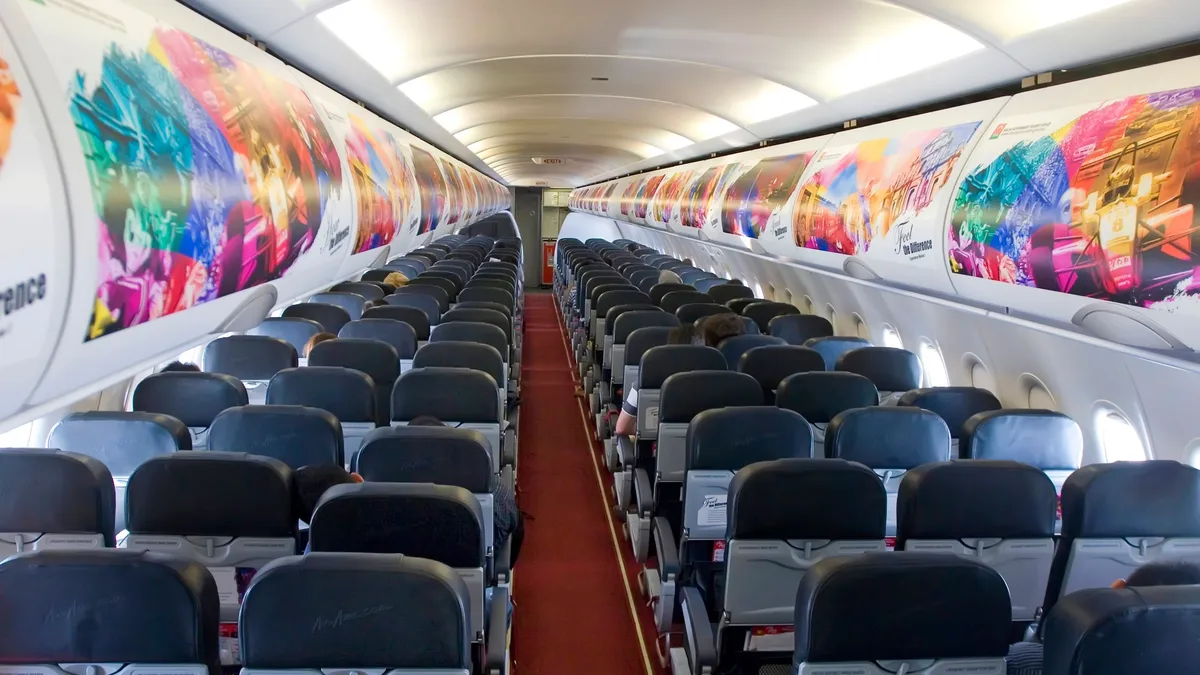
Airline Cabins Voted Most Superior in 2026
Industry awards from 2026 have recognized six airline cabins as the world's most superior. SWISS, Air France, and LATAM won top honors for cabin...
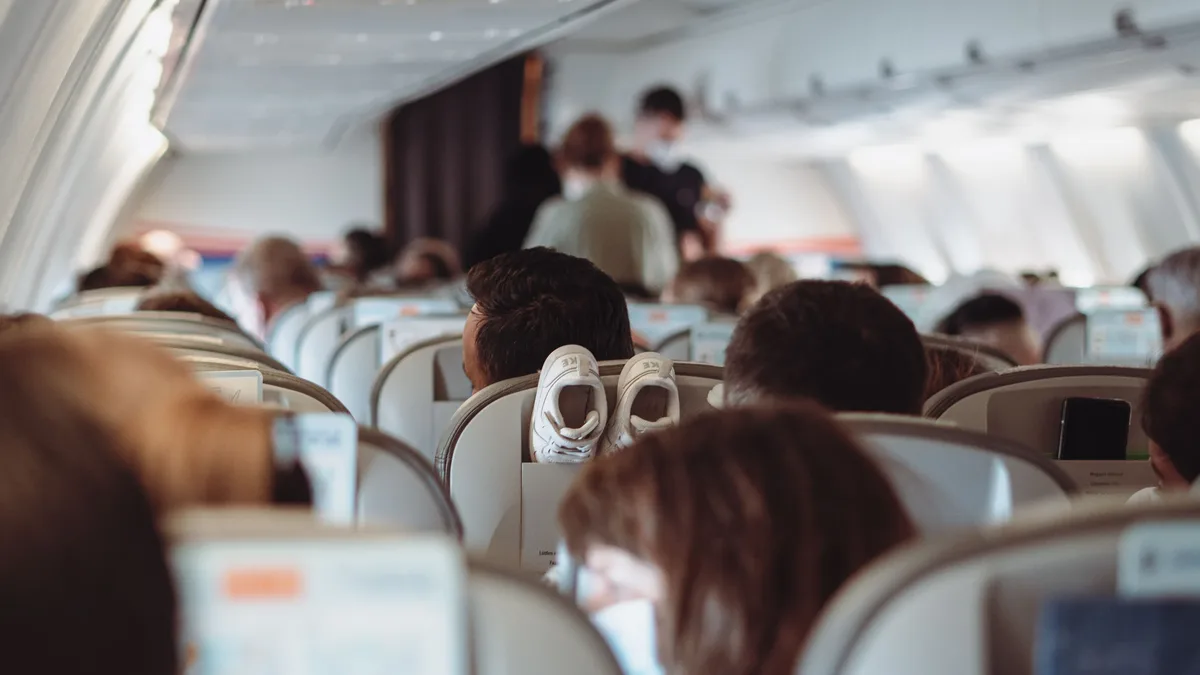
Flight Attendant Burnout Peaks in Summer
A former flight attendant explains that summer's extreme heat, tarmac delays, and demanding passenger mix are pushing cabin crew to their limits, amid