Flight Attendant Burnout Peaks in Summer
A former flight attendant explains that summer's extreme heat, tarmac delays, and demanding passenger mix are pushing cabin crew to their limits, amid
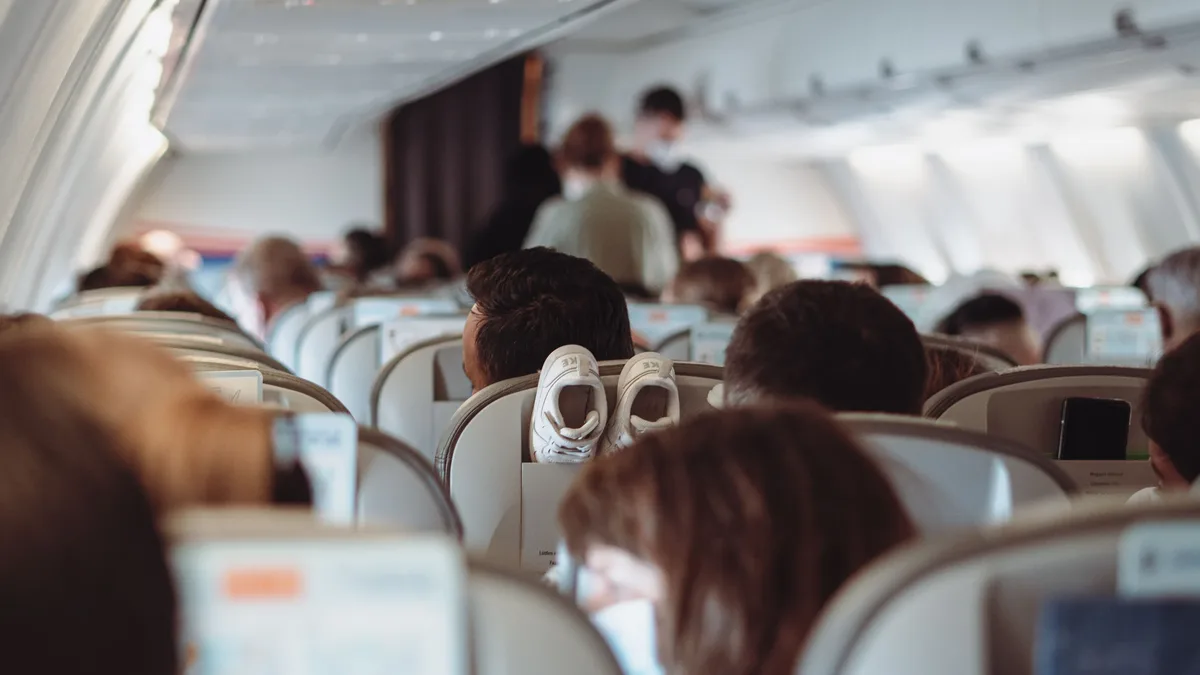
Flight attendants are increasingly losing their cool during the summer flying season. The pressures come from a combination of extreme heat, long tarmac delays, packed schedules, and a post-pandemic passenger mix that is more demanding.
Masazczynski, who honed his skills at a prominent Middle Eastern airline and most recently flew for a well-known European carrier, argues that most flight attendants love their jobs. The issue is that summer brings unique stresses capable of pushing even the best crew members to snap.
Industry Pressures Mount
Staffing ratios have been squeezed across the industry, and budgets for small amenities that could smooth over difficult situations have shrunk. These changes, the report states, rarely work out in favour of the flight attendants. Simultaneously, passengers have grown more selfish and demanding since the pandemic, often behaving as if they have checked into a luxury resort rather than boarded an aircraft with limited resources.
While airlines push premium services, the onboard resources rarely match the marketing promises. Passengers are paying top dollar for tickets, which may fuel their expectations, even if those expectations are not always met by the reality in the cabin.
The Unique Strain of Summer Travel
The specific passenger mix of summer flying exacerbates tensions. Planes are packed with families flying once a year, first-timers unfamiliar with norms, and people who have saved all year for a single trip. This can become overwhelming quickly for crew.
Flight attendants have a dual role: enforcing safety rules while providing customer service. Unions emphasize their role as "aviation's first responders," but service remains a core part of the job.
Fatigue is a major factor. Crew members are often jet-lagged and tired, especially by the third or fourth day of a trip. They may have just greeted 250 boarding passengers, many of whom treat them as personally responsible for delays. A simple request, like asking someone to fasten a seatbelt, can become the final straw that leads to a curt response.
Problem Routes and Systemic Issues
Every flight attendant can name at least one route they hate flying, the source claims. It is not about the destination, but the specific mix of expectations, timing, and demands that the route attracts. Furthermore, the seniority system in the U.S.
Airline industry is cited as a contributing factor. Salary, schedule, and base assignments are tied to tenure rather than performance, which can incentivize some to stay in the job long after their enthusiasm has faded.
The report is clear that this does not excuse genuine rudeness toward innocent passengers. However, burnout from a brutal summer in an industry asking for more while providing less is distinct from simply hating the job. It is not a reason, the author concludes, to tell dedicated crew members to quit.
Source: PYOK