Hawaiian Airlines AS803 cabin odor incident September 24
Seven Hawaiian Airlines flight attendants fell ill from a mystery odor on a September 24 flight from Los Angeles to Honolulu.
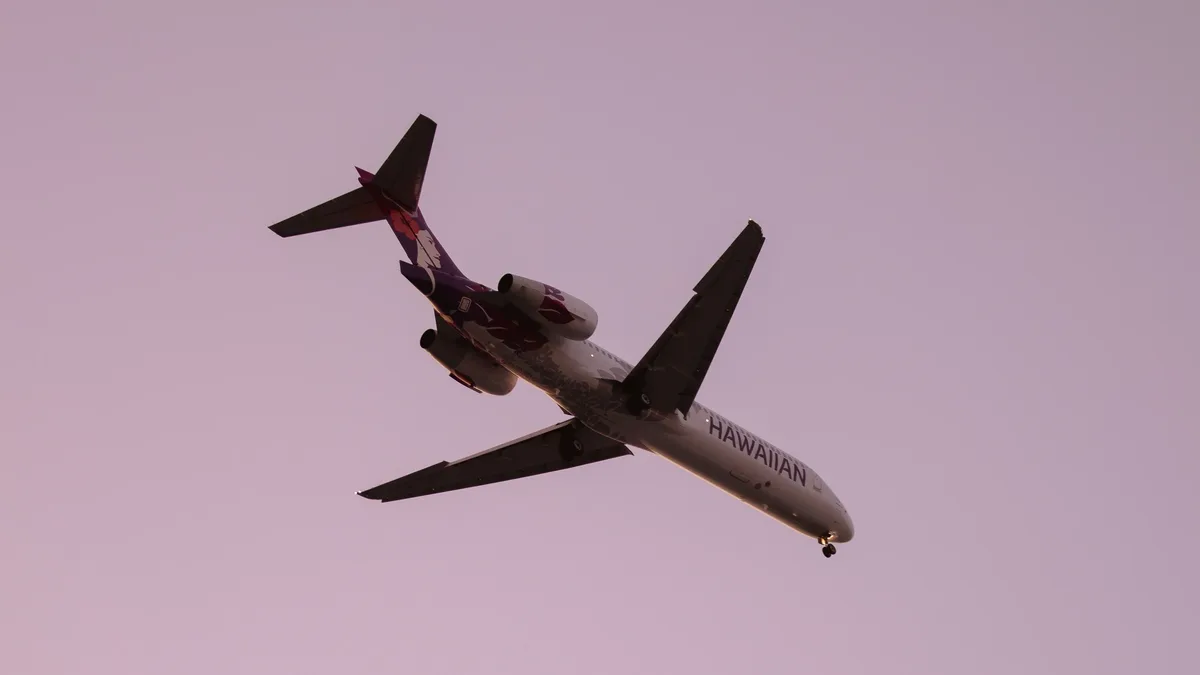
Seven flight attendants became ill after detecting a mystery odor during Hawaiian Airlines Flight AS803 on September 24. The aircraft, an Airbus A330-200, landed in Honolulu and returned to passenger service just over ten hours later.
Crew members began feeling unwell during the roughly six-hour journey across the Pacific. They reported symptoms consistent with exposure to fumes. The airline acknowledged that several crew members required medical attention.
Flight details and response
The flight was marketed by Alaska Airlines but operated by Hawaiian Airlines. The Airbus A330-200, registration N375HA, landed at Daniel K. Inouye International Airport in Honolulu at 12:57 PM.
Emergency medical teams met the aircraft at the gate. Paramedics evaluated the affected crew members, and several were transported to nearby hospitals for further examination. Passengers were reportedly not affected to the same degree and were allowed to deplane normally. There were no immediate reports of passengers requiring hospitalization.
Aircraft and service status
The aircraft remained on the ground in Honolulu for around 10.5 hours. It departed at 11:34 PM on September 24 to operate Flight AS808 to Las Vegas.
Flight tracking shows the jet completed four more flights in the following days. These included a return to Honolulu, a round trip to Tokyo, and a flight to San Francisco. The 11-year-old aircraft is one of 24 Airbus A330-200s in Hawaiian's fleet.
| Specification | Detail |
|---|---|
| Aircraft Type | Airbus A330-200 |
| Registration | N375HA |
| Engine Type | Rolls-Royce Trent 772B |
| Passenger Capacity | 278 total (18 business, 260 economy) |
| Delivery Date | January 2015 |
Background and context
This aircraft has a history of prior odor events. On June 23, 2025, pilots reported an odor in the cockpit shortly after takeoff from Tokyo, declared an emergency, and returned. Another fume event occurred in 2023, traced to a damaged air duct that was replaced.
Fume events in aircraft like the A330 can result from bleed air systems. These systems draw pressurized air from engines to condition the cabin. If engine seals degrade, oil or hydraulic fluid can contaminate the air supply. Exposure has been linked to headaches, nausea, and respiratory issues.
The incident occurs amid broader industry scrutiny of cabin air quality. Flight attendant unions have advocated for stronger protections and air quality sensors. Legislation in Congress has sought to mandate improved reporting. The Boeing 787 Dreamliner uses an alternative system without traditional bleed air.
Statements and unresolved questions
Hawaiian Airlines stated that seven flight attendants were evaluated and released by medical personnel. No guests required medical attention. The airline said safety is its priority and thanked the responders.
Accounts differ on passenger impact. Honolulu EMS reportedly said some passengers had also felt unwell during the incident.
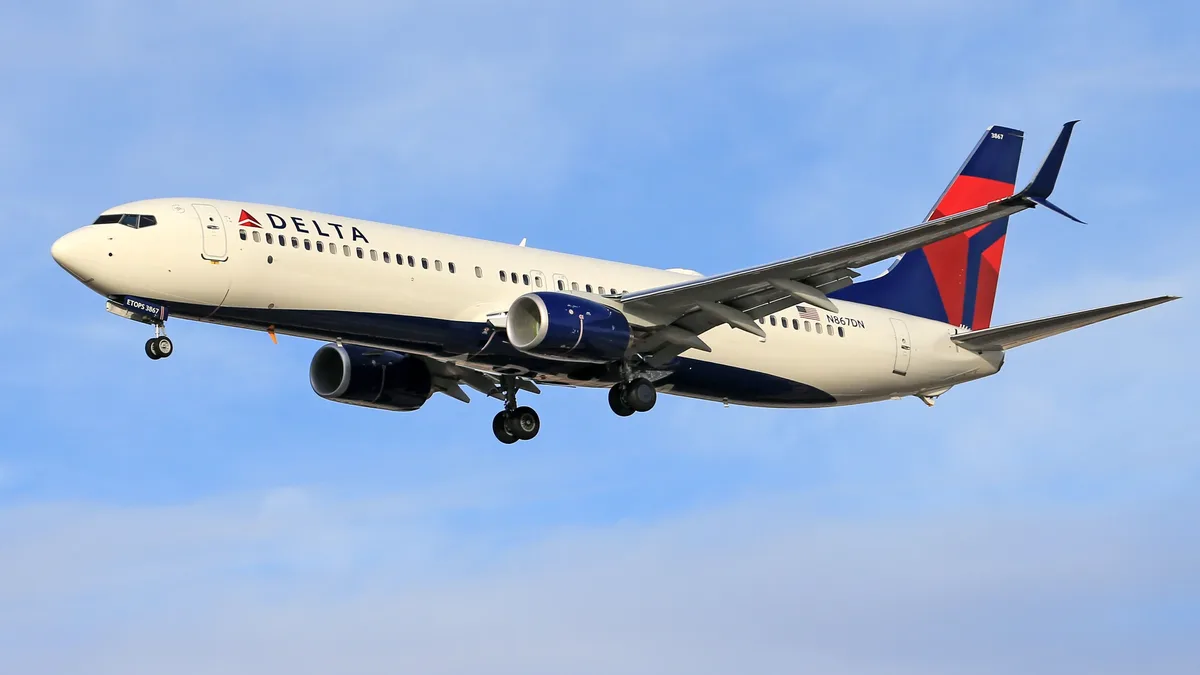
Neither Hawaiian Airlines nor Alaska Airlines has identified the source of the odor. The exact cause of the symptoms remains unconfirmed. The incident happened days after a fume event on a Delta Air Lines flight forced a diversion to Honolulu.
Standard procedure for suspected fume events requires examination of engines and the bleed air system before an aircraft returns to service. Hawaiian Airlines has not disclosed whether the aircraft underwent such an inspection. The airline said it would investigate the cause of the odor and cooperate with any regulatory inquiries.