Boeing 737 MAX 10 FAA Certification Imminent
The FAA is set to certify the Boeing 737 MAX 10 next week, but airlines are refusing deliveries due to an unresolved software glitch affecting flight management computers, potentially delaying its operational debut.
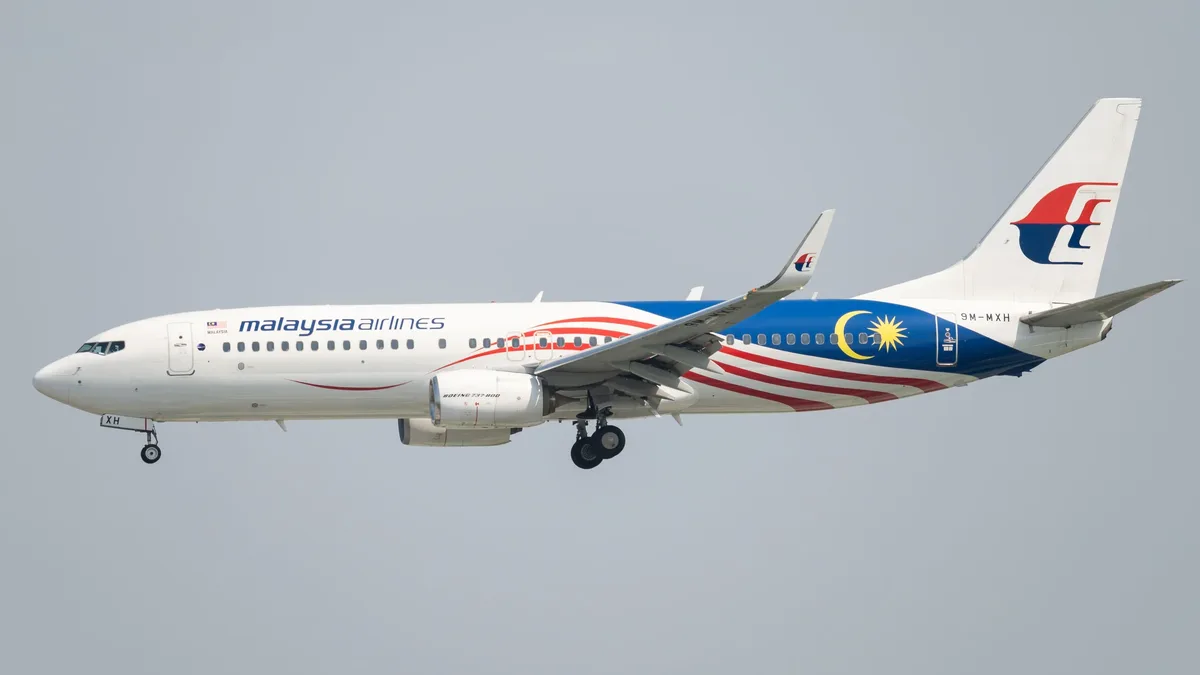
The Boeing 737 MAX 10 could receive Federal Aviation Administration certification as early as next week. This follows a successful type certification board meeting held on Friday, the final regulatory step before approval.
A software issue affecting autopilot control during go-around conditions remains unresolved. The glitch, present in versions U14 and U14.1 of the flight management computer, shuts off vertical navigation (VNAV) when pilots deviate from a pre-programmed flight path during a missed approach. The FAA concluded this does not pose a safety concern, issuing a non-mandatory Special Airworthiness Information Bulletin instead of mandating a fix before certification. Boeing stated the issue is not a safety risk because pilots are trained to fly without the affected automated controls. The FAA certified the 737 MAX 7 and expects to soon certify the MAX 10, with the glitch affecting these two new variants.
Airlines confirm non-use of problematic software
Multiple major airlines have confirmed they do not operate aircraft with the problematic U14 or U14.1 software. Alaska Airlines, American Airlines, Southwest Airlines, and United Airlines continue using the older U13 version on their in-service MAX fleets. United Airlines stated it is "not taking deliveries of new aircraft" equipped with the newer software. This collective stance from launch customers means new jets may not enter service immediately upon certification.
Delivery timelines for launch customers
Several airlines have announced their expected delivery and operational timelines for the MAX 10, all pointing to 2027. WestJet is set to be the launch customer, planning its first passenger flights in early 2027 pending Transport Canada certification. Alaska Airlines expects its first airframe in spring 2027, targeting passenger service by mid-May. Ryanair anticipates receiving its first 15 aircraft in spring 2027. United Airlines is the largest customer with a firm order for 167 aircraft, and its CEO Scott Kirby said "the carrier expects its first MAX 10 around July 2027." Ryanair follows with 150 firm orders and 150 options.
| Customer | Firm Orders | First Delivery / Service Timeline |
|---|---|---|
| United Airlines | 167 | Around July 2027 |
| Ryanair | 150 (plus 150 options) | Spring 2027 |
| WestJet | Not specified | Early 2027 (passenger flights) |
| Alaska Airlines | Not specified | Spring 2027 (airframe), mid-May 2027 (passenger flights) |
Human factors concerns persist
Despite the FAA's safety determination, industry experts and pilot organizations have raised concerns about pilot workload and human factors. Engineering professor Najmedin Meshkati criticized the reliance on test pilots rather than line pilots during assessment, noting similarities to the 2018-2019 737 MAX crashes. Pilot Dennis Tajer estimates the glitch would require about seven additional steps to prepare for a subsequent landing, a process that could push pilots toward 'task saturation' during critical flight phases. The Air Line Pilots Association agreed the procedure adds extra workload but considered it manageable, with its president stating that two pilots on the flightdeck are essential to manage such automation issues. In response to broader concerns, Boeing appointed a human factors chief engineer in January 2025.
Boeing expects a permanent software fix may not be available until 2028 and is working with airlines to develop a response procedure for the glitch. The MAX 10 completed its final certification flight in July after 976 flights and more than 2,060 flight hours. Ceremonial FAA signatures are expected as early as next week following the delivery of the project's summary of compliance.