Qatar Airways Still Refusing Premium Economy
Emirates has launched a next-generation Premium Economy seat described as world-leading, while Qatar Airways continues to reject the cabin class despite
Emirates has unveiled its next-generation Premium Economy seat, which it describes as arguably the world’s leading product in its class. This marks a major shift from the airline’s earlier reluctance, when President Sir Tim Clark worried the product would cannibalise Business Class. That concern has proven unfounded, as Premium Economy has become one of Emirates’ biggest success stories, prompting significant investment in perfecting the new seat.
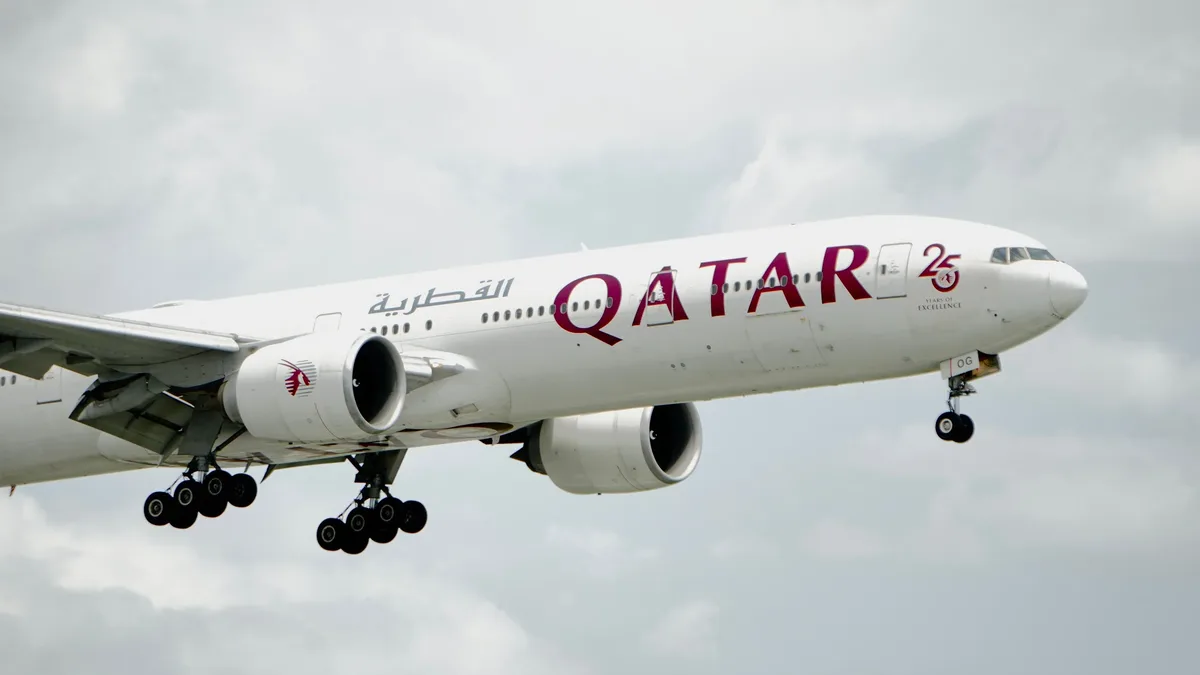
For years, Qatar Airways justified its absence of Premium Economy through statements by former CEO Akbar Al Baker, who claimed the airline’s Economy cabin was already as good as, or better than, other airlines’ Premium Economy offerings. He went so far as to state Qatar Airways would never introduce the cabin class. Critics argue this stance was less about passenger experience and more about avoiding development costs, especially since Qatar’s Economy product has never surpassed Emirates’ own Economy cabin, let alone most Premium Economy experiences.
Al Baker is no longer with the airline, yet Qatar Airways still offers no Premium Economy, even as its financial situation remains strained. The airline recorded its highest-ever annual profit in the past financial year, but that was before the Iran war disrupted operations, leading to grounded flights, airspace closures, and forced cost-cutting. Developing a proper Premium Economy cabin requires substantial time, money, and executive focus-resources currently directed elsewhere.
The inconsistency is heightened by Qatar Airways’ position within the Oneworld alliance. Partners such as British Airways, Iberia, Cathay Pacific, and Japan Airlines actively promote Premium Economy itineraries via Doha. However, passengers booking a Premium Economy ticket from London to Sydney, for example, find the Doha-to-Sydney leg operated in Economy, undermining the promised experience.
A true Premium Economy product involves far more than seats. It includes real china meal service, upgraded beverages, dedicated lavatories, amenity kits, pre-departure drinks, and enhanced ground handling. Success also depends on crew training, galley reconfiguration for upgraded meal loading, and finding space for new equipment on existing aircraft.
New entrant Riyadh Air launched with a proper Premium Economy product from day one. Though smaller in fleet and network size, its ambitious growth plans signal intent to compete for traffic from Emirates and Qatar Airways. This early adoption highlights where market expectations are heading.
Analysts suggest Qatar Airways could follow Emirates’ staged approach-introducing Premium Economy on select high-demand routes like London, Delhi, and Sydney or Melbourne first-rather than attempting a full fleet retrofit. Airlines that have succeeded in Premium Economy note it primarily attracts passengers trading up from Economy, not down from Business Class, representing untapped revenue.
Etihad Airways has also so far refused to enter the Premium Economy market, though the source notes this may change in the future.