Slot Allocation And Trades At Heathrow And Gatwick
| Airport | Heathrow or Gatwick |
|---|---|
| Recall | Slot trades and allocations at these specific airports |
| Definition | The administrative system for the buying, selling, and allocation of permissions to operate a flight at a specific time on a specific day. |
| Governed by | Worldwide Slot Guidelines (WSG) |
| Regulatory body | IATA (International Air Transport Association) and local coordinator (in the UK) |
| Original use | To manage airport capacity constraints and prevent congestion |
| Slot scarcity | High at both airports |
Origin and history
The system of slot allocation and trading at Heathrow and Gatwick airports originates from the regulatory framework of the European Union, established in the late 20th century. Its foundational principles were formalized in EU Regulation 95/93, which was introduced in the early 1990s to manage congestion at congested Community airports. The core "use-it-or-lose-it" rule and the concept of slot trading were embedded in this original regulation. This regulatory framework was adopted into UK law and continues to govern slot allocation following the country's departure from the EU. The practice of secondary trading, where airlines buy and sell slots amongst themselves, evolved as a market-driven response within this regulatory structure, becoming particularly established in the 2000s. The system's history is therefore one of European regulatory origin, subsequently shaped by the specific, intense market pressures of the London airport system.
What it is for
The slot allocation and trading system exists to manage access to constrained airport infrastructure, specifically runway and terminal capacity, at Heathrow and Gatwick airports. Its primary function is to administer a transparent method for allocating limited take-off and landing times, known as slots, to airline operators. A slot grants permission for an aircraft operation at a specific date and time, and is essential for any scheduled service at these capacity-controlled airports. The system aims to ensure the efficient use of scarce airport capacity while attempting to foster competition and facilitate new market entry. The secondary trading element allows airlines to transfer slots through sale or lease, providing a mechanism for capacity to shift between carriers according to market demand. Ultimately, it serves as the critical administrative and market framework that dictates which airlines can operate which routes from these globally significant hubs.
Pros and cons
A primary advantage of the system is that it creates a transparent, rules-based method for distributing a finite public resource, moving away from purely administrative or historical allocation. The ability to trade slots allows them to flow to the airlines that value them most, which can lead to more economically efficient use of capacity and can enable new entrants to access the market by purchasing slots. However, a significant con is that the high financial value of slots, particularly at Heathrow, can act as a formidable barrier to entry, ironically protecting incumbent carriers with large slot portfolios. The "use-it-or-lose-it" rule, intended to prevent hoarding, can lead to inefficient "ghost flights" where airlines operate routes solely to retain their slot rights. Airlines without the financial muscle to engage in the multi-million-pound slot market often regret the system, as it can entrench the dominance of large network carriers and legacy airlines. A common mistake is to view slot trading as a purely free market, when in reality it operates within a rigid regulatory framework that can distort outcomes and prioritize historical precedence over current passenger need or airline efficiency.
Who it suits
This system inherently suits large, well-established network carriers and legacy airlines with significant financial resources and large, historical slot holdings. These incumbents benefit from the stability of grandfather rights, which allow them to retain slots season after season, and they possess the capital to engage in high-value slot trades to optimize their schedules. It also suits long-haul, full-service operations where high-yield business traffic can justify the immense cost of acquiring and retaining premium slots at these hubs. The system is less suited to low-cost carriers, whose business models rely on rapid turnaround and lower airport costs, as the scarcity and expense of slots at Heathrow and Gatwick are often prohibitive. New entrant airlines, unless heavily backed by investment, find the system particularly challenging to penetrate, as the primary allocation pool for new slots is extremely limited. Ultimately, the current framework suits the status quo of airline operations at these airports, favoring depth of network and financial strength over frequency of new competition or service innovation for passengers.
Latest Slot Allocation And Trades At Heathrow And Gatwick news
Latest reporting
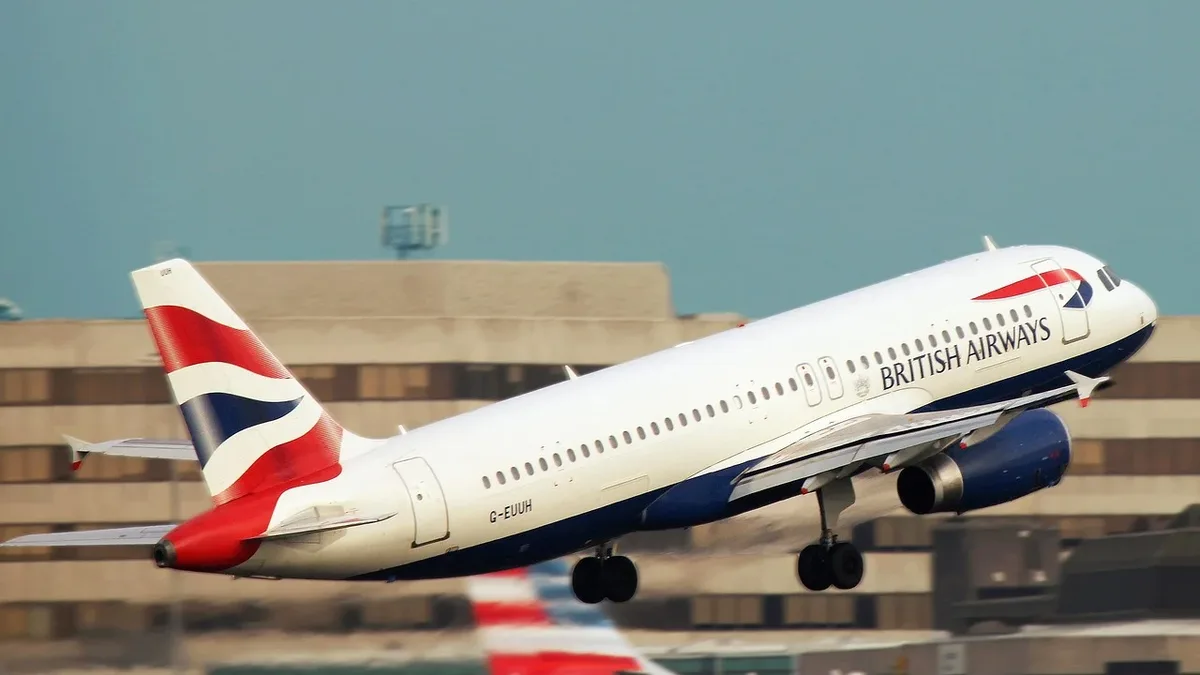
British Airways Adds Kilimanjaro and Zanzibar from Gatwick
British Airways will launch a triangular route from London Gatwick to Kilimanjaro and Zanzibar in Tanzania in May 2027, operating three times weekly...

Etihad to Renovate Heathrow Lounge with New Global Design
Etihad Airways will renovate its London Heathrow premium lounge as the first location for its new 'Beyond Borders' design concept, part of a wider $1
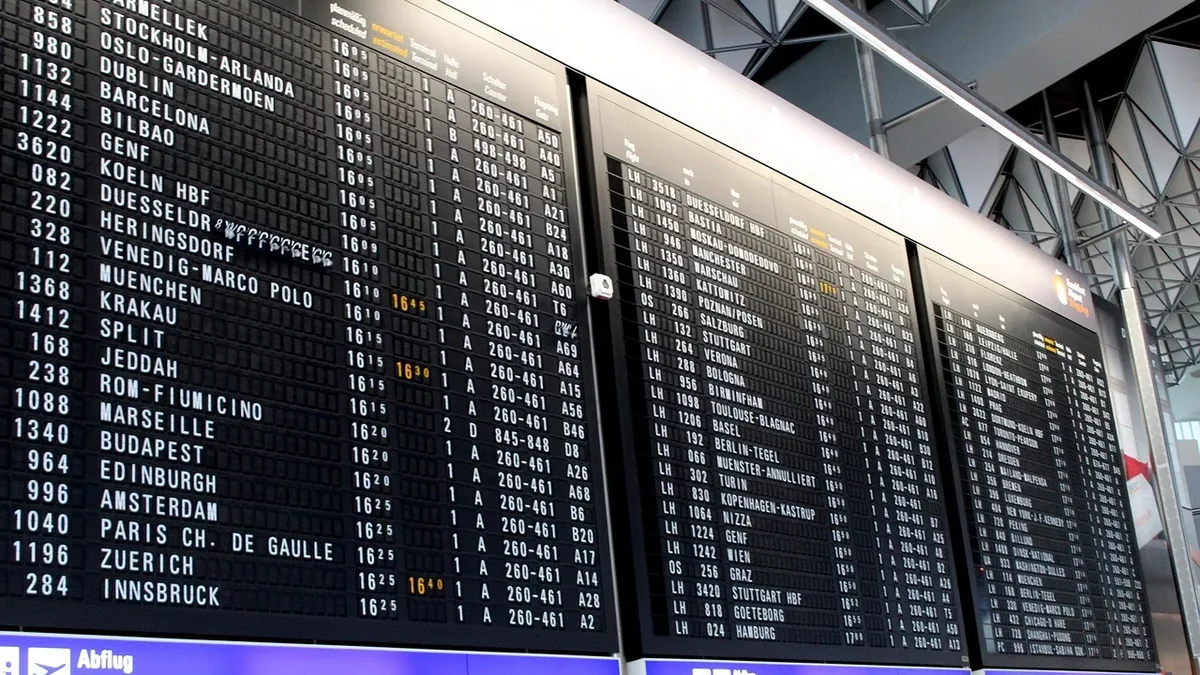
ACI World urges regulators to modernise
ACI World has released a white paper calling for an overhaul of the global airport slot allocation system, which it labels a '1970s operating system'...

Heathrow, London Airports Ban Landings After NATS Outage
A major air traffic control system outage forced a ban on all landings at London's major airports, including Heathrow, until at least 10 pm on...
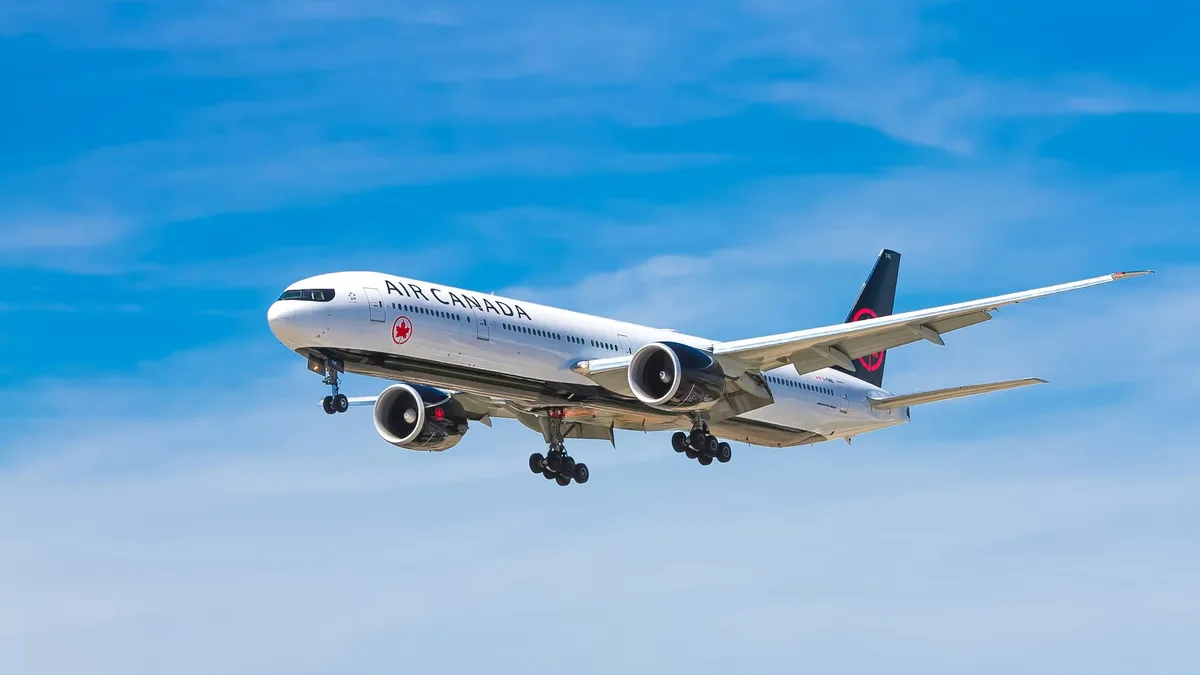
Air Canada adds daytime Toronto-London Heathrow flight
Air Canada will launch a new daily daytime flight from Toronto to London Heathrow next summer using its new A321XLR aircraft, marking a return to...

Virgin Atlantic A330neo delays affect Heathrow-JFK launch
Virgin Atlantic has delayed the launch of its new premium-heavy A330neo aircraft due to production issues at Airbus, pushing back key Heathrow routes...