Cancelled More Than 14 Days Before
| Eligibility threshold | 14 days or more before scheduled departure |
|---|---|
| Remedy classification | Full refund or rebooking without penalty |
| Recipient | Original passenger or ticket purchaser |
| Processing channel | Airline or booking agent, not airport |
| Processing time | Typically 7 to 14 business days |
| Refund method | Original form of payment |
| Documentation requirement | Booking reference or ticket number |
Origin and history
The regulatory concept of a flight being cancelled more than 14 days before departure originates from European Union legislation. It was formally established in the early 2000s as a key provision within the EU's passenger rights framework, known as EC Regulation 261/2004. This regulation was created to standardize and strengthen air passenger protections across all member states, addressing widespread inconsistencies in airline compensation practices. The specific 14-day threshold was designed to create a clear, binary distinction between long-notice cancellations and those occurring closer to departure. Its development was influenced by earlier national consumer protection laws in several European countries that recognized the differing impact of advance notice. The rule has since become a stable reference point in global aviation consumer law, even influencing similar regulations in other jurisdictions outside the EU.
What it is for
This classification serves to define the specific rights and remedies available to passengers when an airline cancels a scheduled flight. Its primary function is to distinguish between cancellations where the airline has provided significant advance warning and those where it has not, which triggers different legal obligations. For a passenger at an airport, this rule determines whether they are entitled to financial compensation in addition to rerouting or a refund. It establishes a critical timeline for airline operational planning, incentivizing carriers to identify and communicate schedule changes well in advance. The rule provides legal clarity for both airlines and passengers, creating a predictable framework for handling such disruptions. It is fundamentally a consumer protection tool designed to mitigate the inconvenience and potential financial loss caused by last-minute cancellations.
Pros and cons
A primary advantage is the certainty it provides to passengers who receive early notice, allowing them to make alternative travel arrangements without the urgency and stress of a last-minute cancellation. This rule also incentivizes airlines to manage their schedules and aircraft allocations more efficiently to avoid costly last-minute penalties. For airports, it aids in resource planning, as a cancellation known more than 14 days out reduces the anticipated passenger load on facilities and staff. A significant con is that passengers under this rule are not entitled to the fixed financial compensation defined for last-minute cancellations, which can leave them bearing incidental costs from rebooking, especially on more expensive alternative flights. The rule can be a source of frustration for travelers who, despite the long notice, may find their carefully planned itineraries disrupted with limited recourse. A common mistake is passengers not realizing that their right to a refund or rerouting is separate from the right to compensation, sometimes leading them to accept a voucher without exploring all options.
Who it suits
This regulatory framework primarily suits airlines, as it provides a clear compliance target that, if met, limits their financial liability to the core cost of the ticket. It suits organized, flexible travelers who book fares with flexible terms or who can easily adapt their plans without significant financial penalty when given ample notice. The rule suits regulatory bodies and consumer advocacy groups by providing an unambiguous, easily enforceable standard for adjudicating passenger claims. It is less suited to passengers on complex, multi-leg itineraries or tight connections, where even a rebooking well in advance can cause cascading logistical issues. The structure is also poorly suited for infrequent leisure travelers who may not monitor their flight status proactively and could miss the notification, arriving at the airport unaware. Ultimately, it is a system designed for administrative clarity, favoring scenarios where advance planning can mitigate disruption over those where any schedule change causes significant hardship.
Latest Cancelled More Than 14 Days Before news
Latest reporting
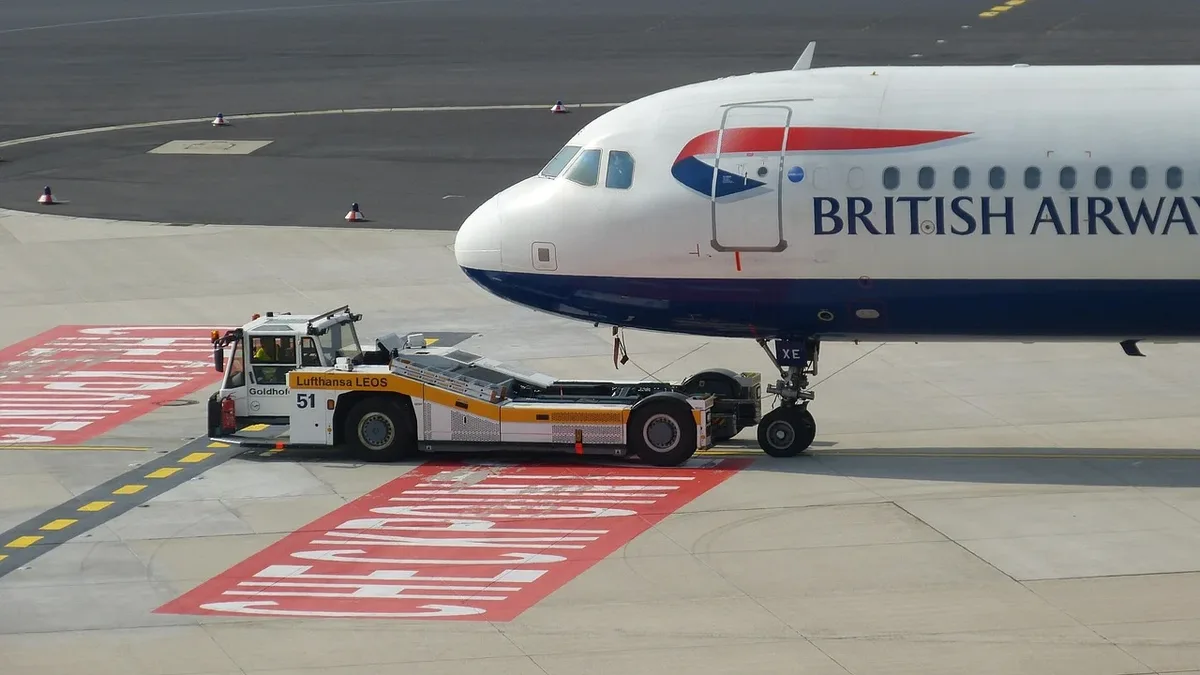
British Airways Club Silver Status Duration and Demotion
British Airways Club members who earn Silver status are guaranteed at least 12 months of benefits, with a 'soft landing' policy preventing demotion...

Turkish Airlines finalizes major Boeing 737 MAX order
Turkish Airlines has signed a firm order for 100 Boeing 737-8 jets with options for 50 more, resolving a year-long engine pricing dispute.

FAA Seeks $30 Billion More After Northeast ATC Failure
The US Transportation Secretary requested an additional $30 billion for aviation infrastructure, a day after a telecom failure caused massive delays...

UK CAA Revises Airspace Change Rules for 2026
The UK Civil Aviation Authority has updated its Airspace Change Process, aligning with new government policy. The revised CAP1616 framework...

JetBlue faces lawsuit over unavailable free
A class action lawsuit alleges JetBlue sells more expensive fares promising free seat selection, even when no free seats are available, without...

SITA Launches Border Flow Lane for Faster Passenger
SITA has launched a new border processing solution that uses pre-departure data to clear most travelers before arrival, aiming to speed up...