Department For Transport
| Jurisdiction | United Kingdom |
|---|---|
| Governing body | Department for Transport (DfT) |
| Primary regulatory function | Aviation security and economic regulation |
| Key responsibilities | Security policy, passenger rights, airport licensing |
| Operational oversight | Civil Aviation Authority (CAA) |
Overview
The Department for Transport (DfT) is a ministerial department of the United Kingdom government responsible for the country's transport network. It sets national policy, allocates funding, and oversees legislation for all domestic transport modes, including aviation. Within the context of an airport and the passenger journey, the DfT's role is primarily strategic and regulatory, rather than operational. It does not manage day-to-day airport activities but establishes the legal and policy framework within which airports, airlines, and associated service providers must operate. The department's policies directly influence airport infrastructure development, security standards, passenger rights, and environmental regulations. Its decisions ultimately shape the capacity, safety, and experience of air travel in the UK.
History
The Department for Transport originates in the United Kingdom, with its modern form tracing back to the early 20th century. The Ministry of Transport was first established in 1919, reflecting the growing importance of coordinated transport systems following the First World War. Aviation responsibilities were initially held by the Air Ministry, but over subsequent decades, transport functions were repeatedly merged and separated under various departmental names. The Department for Transport name, in its current iteration, was adopted in the early 2000s. Its historical evolution mirrors the increasing complexity of transport governance, with aviation becoming a core component of its remit. The department's history is marked by the integration of rail, road, and aviation policy under a single ministerial umbrella to address interconnected national infrastructure challenges.
How it works today
Today, the Department for Transport functions as the central government authority shaping UK aviation policy. It sponsors and sets the strategic direction for the Civil Aviation Authority (CAA), the independent specialist regulator, to which it delegates many detailed safety, security, and consumer protection functions. The DfT itself is responsible for high-level legislation, such as Acts of Parliament governing aviation, and for negotiating international air service agreements with other countries. It allocates government funding for major airport surface access projects, like road and rail links, and sets the national policy framework for airport expansion, including making decisions on major development applications. The department also sets the national objectives and provides funding for aviation security, which are then implemented by the CAA and airport operators. Furthermore, it transposes and enforces relevant European Union and international aviation regulations into UK law.
Why it matters
The Department for Transport matters because it establishes the foundational rules and long-term strategic direction for the entire UK aviation sector. Its policies determine whether airports can expand to meet passenger demand, directly impacting capacity and potential congestion. The national security standards it mandates form the basis for every passenger's screening experience at airport checkpoints. The consumer protection regulations it introduces or upholds, often through the CAA, govern passenger rights during delays, cancellations, and lost baggage incidents. Its environmental and noise regulations place binding constraints on airport operations and aircraft design, affecting local communities and sustainability goals. Ultimately, the DfT's funding and policy decisions shape the quality, safety, affordability, and environmental impact of the passenger journey from home to destination.
Common misconceptions
A common misconception is that the Department for Transport directly operates airports or manages daily security checks; in reality, these are the functions of airport owners/operators and private contractors, working under a framework set by the DfT and enforced by the CAA. Another misconception is that the DfT is the primary body for passenger complaints; while it sets the policy, individual complaints about airlines or airports are typically handled by the CAA or alternative dispute resolution bodies. Some believe the DfT controls airfares, but it does not set ticket prices, which are commercially determined by airlines. There is also a mistaken belief that the department's environmental policies are solely focused on carbon emissions, whereas they also extensively address aircraft noise pollution and local air quality around airports. Finally, it is incorrect to assume the DfT's aviation decisions are made in isolation; they are often the result of complex interplay with Treasury funding, international treaties, and other government departments.
Latest Department For Transport news
Latest reporting
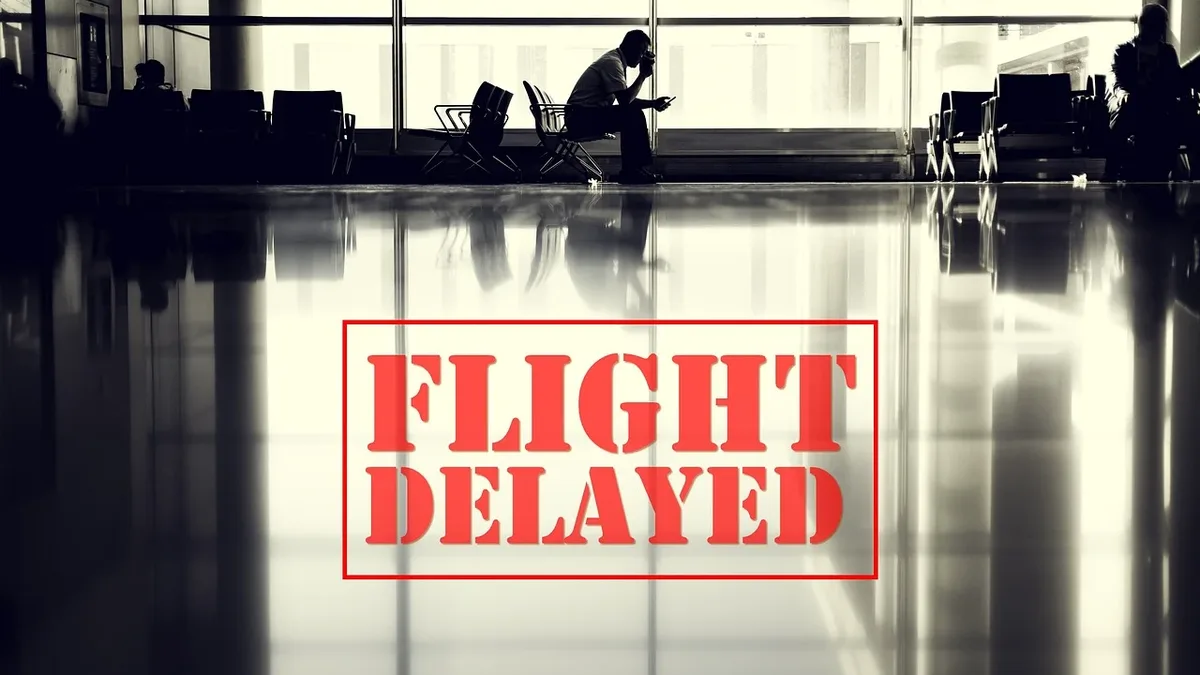
DOT Exempts Airlines from Hotel Costs for 10 Delay Events
The U.S. Department of Transportation has finalized a rule, effective October 19, 2026, that lists 10 specific events-including unscheduled
Union Demands Probe into Odorless Engine Oil
The International Transport Workers Federation demands an investigation into Turbo Oil 2330, a new APU oil designed to have an inoffensive smell...
TSA Unveils Horizon 25 Modernisation Plan
The TSA announced its Horizon 25 Strategy on 24 August, outlining plans to modernise checkpoints, improve passenger experience, and strengthen...
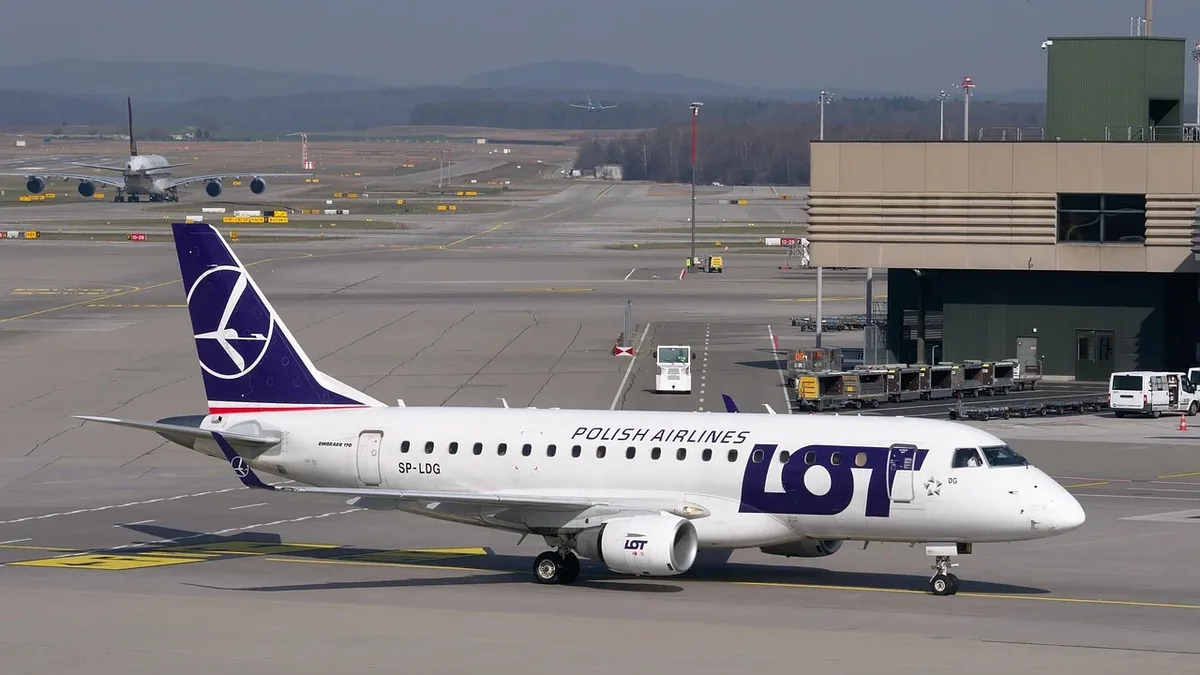
Port Polska Partners with Integracja Foundation on Accessible Airport Design
Port Polska is working with the Integracja Foundation to assess the accessibility of designs for its planned airport and multimodal transport hub...
VIA Rail Develops Multimodal Hub for Montréal-Trudeau International Airport
VIA Rail Canada is working on a new multimodal hub in Dorval, Quebec, to connect passenger rail services with public transport and Montréal-Trudeau...