Union Demands Probe into Odorless Engine Oil
The International Transport Workers Federation demands an investigation into Turbo Oil 2330, a new APU oil designed to have an inoffensive smell, arguing
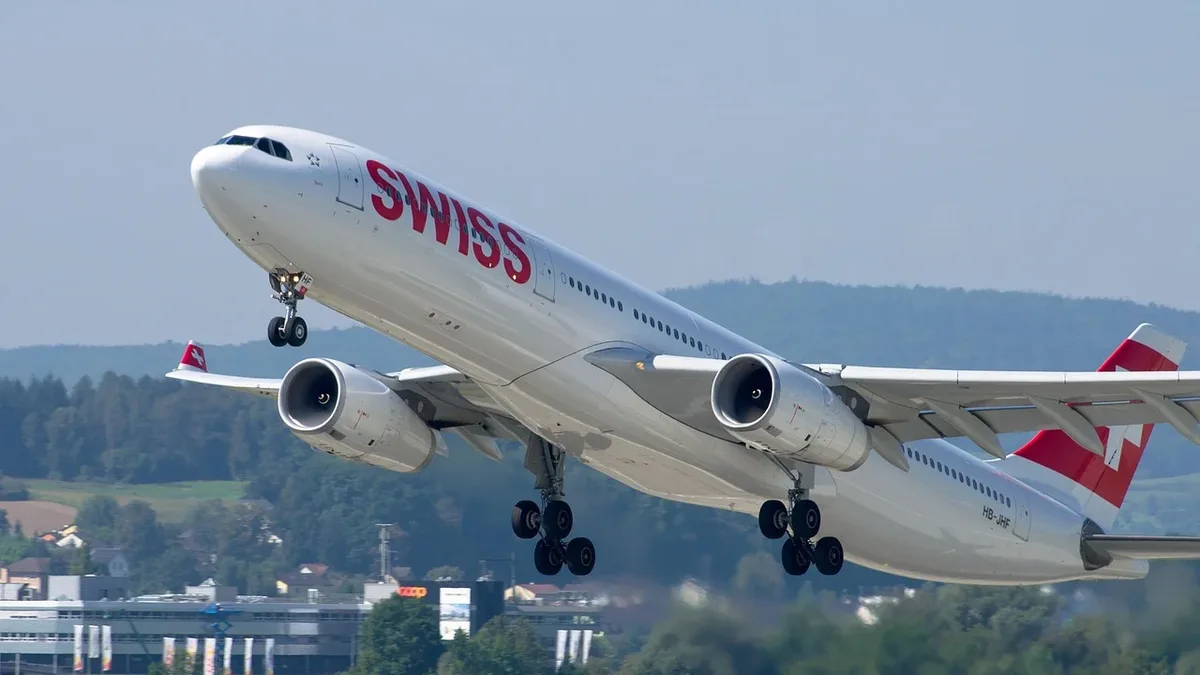
A major aviation union is demanding an urgent investigation into a new type of engine oil that is designed to have an inoffensive odor. The International Transport Workers Federation (ITF) says the oil, created by Tennessee's Eastman Chemical Company and called Turbo Oil 2330, could make it harder for cabin crew to detect dangerous air contamination events.
Turbo Oil 2330 is designed for use in an aircraft's Auxiliary Power Unit (APU). The APU is a small engine in the tail that provides power on the ground and starts the main engines. Oil can sometimes leak from the APU, become vaporized by heat, and be sucked into the air conditioning system, contaminating the cockpit and cabin.
Union's Safety Concerns
The ITF says Eastman's marketing of the oil's low odor as a feature misses the point. The union argues that while the oil may make cabin air smell less pungent, it does not stop a contamination event from occurring. This could lead to fewer incidents being reported by crew who cannot smell the problem.
"If oil or its heated or degraded products enter the cabin air, cabin crew must be able to recognise and report the event," the ITF stated. "The introduction of ETO 2330 must not result in fewer reported events simply because they are harder to smell." The federation is demanding a safety and occupational-health review of the oil's use.
The Risk of 'Toxic Fume Events'
Vaporized engine oil traditionally has a pungent smell often likened to sweaty socks or a damp dog. The fumes can cause eye and throat irritation, headaches, and nausea. While airlines often call these 'odor events,' campaigners use the term 'toxic fume events.' Some lawsuits allege these events have caused chronic, debilitating health conditions.
One ongoing lawsuit is from American Airlines flight attendant Tamar Ferrel. She claims to have suffered permanent neurological and psychological injuries after an incident on January 14, 2024, at Phoenix Sky Harbor Airport. According to her lawsuit, a smell of dirty socks filled the cabin when the APU was switched on on an Airbus A319.
She has not returned to work and still suffers daily headaches and panic attacks. Her suit seeks $30 million, arguing Airbus has long known its A320 series aircraft are susceptible to such events.
The ITF's campaign is supported by the Association of Flight Attendants (AFA-CWA), the largest U.S. Crew union. Eastman Chemical Company claims its Turbo Oil 2330 will improve aircraft efficiency by reducing groundings for odor investigations.
Source: PYOK