Airline Staff Travel: The Perks and Perils of Non-Revving
A flight attendant explains the complex system of discounted standby travel for airline employees and their guests, detailing the hierarchy, risks, and
Non-revenue travel, or 'non-revving', is a major airline employee perk that can also be a significant source of stress, according to a flight attendant writing for Paddleyourownkanoo. The system offers deeply discounted fares but provides no seat guarantee, placing staff and their guests on standby behind all paying passengers.
Flying standby means a passenger only boards if a seat remains empty after all commercial ticket holders have been accommodated. The practice covers airline employees traveling on their own carrier, their friends or family using 'buddy passes', and staff flying on rival airlines through reciprocal agreements. The experience, cost, and stress level depend entirely on which category a traveler falls into.
The Hierarchy of Standby
Priority for any spare seats follows a strict order. Paying passengers are always first. They are followed by employees flying on their own airline, then buddy pass holders traveling on that employee's airline. Staff flying standby on a different airline through a ZED or interline agreement are at the very back of the line.
Flying on Your Own Airline
The most straightforward form of non-revving is an employee flying with their own employer. Policies vary wildly between carriers. Some airlines charge staff nothing beyond taxes and fees, while others charge a small percentage of the normal fare. An old industry term for this is an ID90 ticket, short for an industry discount of 90%.
Eligibility for premium cabins also depends on the individual contract. At Emirates, for instance, only pursers and pilots get access to premium cabins on staff travel, regardless of seniority. The core rule is universal: employees only get a seat if one is left after commercial passengers board.
Buddy passes extend discounted access to an employee's friends and family, but they come with risk. If the guest misbehaves, the employee risks losing their own travel privileges and facing disciplinary action. Many employees are now wary of handing out passes and only do so after a thorough briefing on expected behavior.
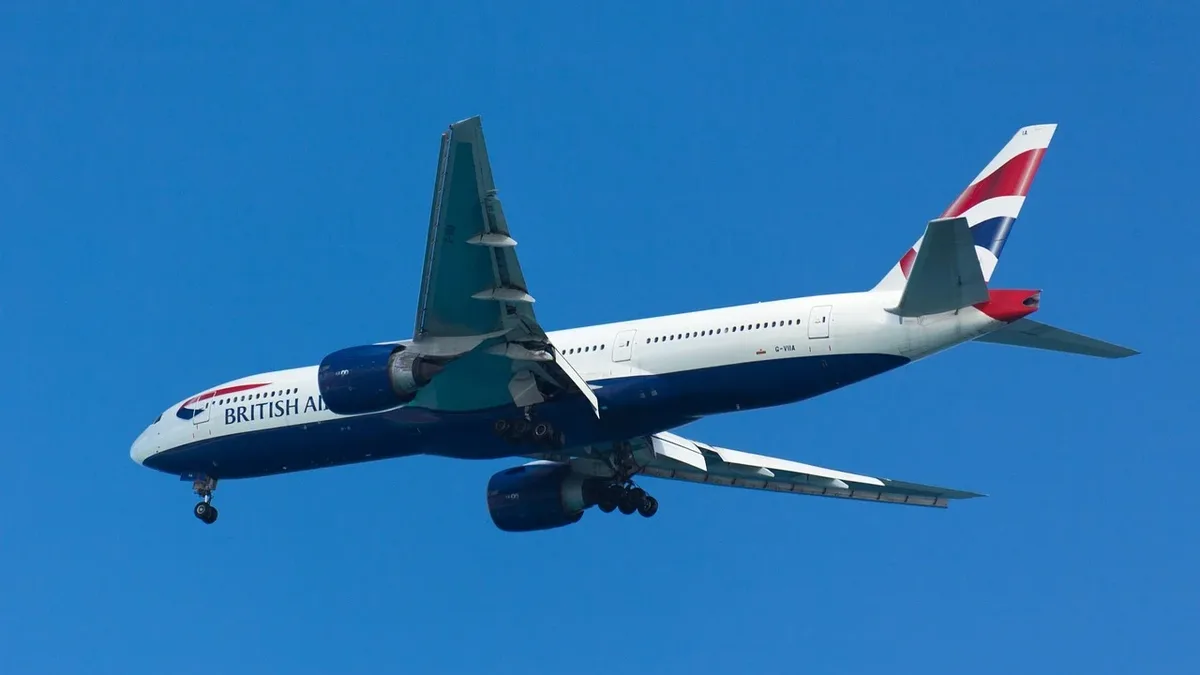
Some carriers now offer confirmed discount tickets as an alternative to the uncertainty of standby. Delta's 'Fly Confirmed for Less' program and British Airways' 'Hotline' fares work this way. The discount is less substantial, but the seat is guaranteed.
Flying on Other Airlines
Through reciprocal agreements, airline staff can also fly standby on rival carriers using ZED fares, which stands for Zonal Employee Discount. The specifics of these deals vary enormously. Some allow access to premium cabins on the partner airline, though most restrict staff to Economy. US carriers commonly extend similar reciprocal privileges for jumpseats to pilots, dispatchers, and flight attendants.
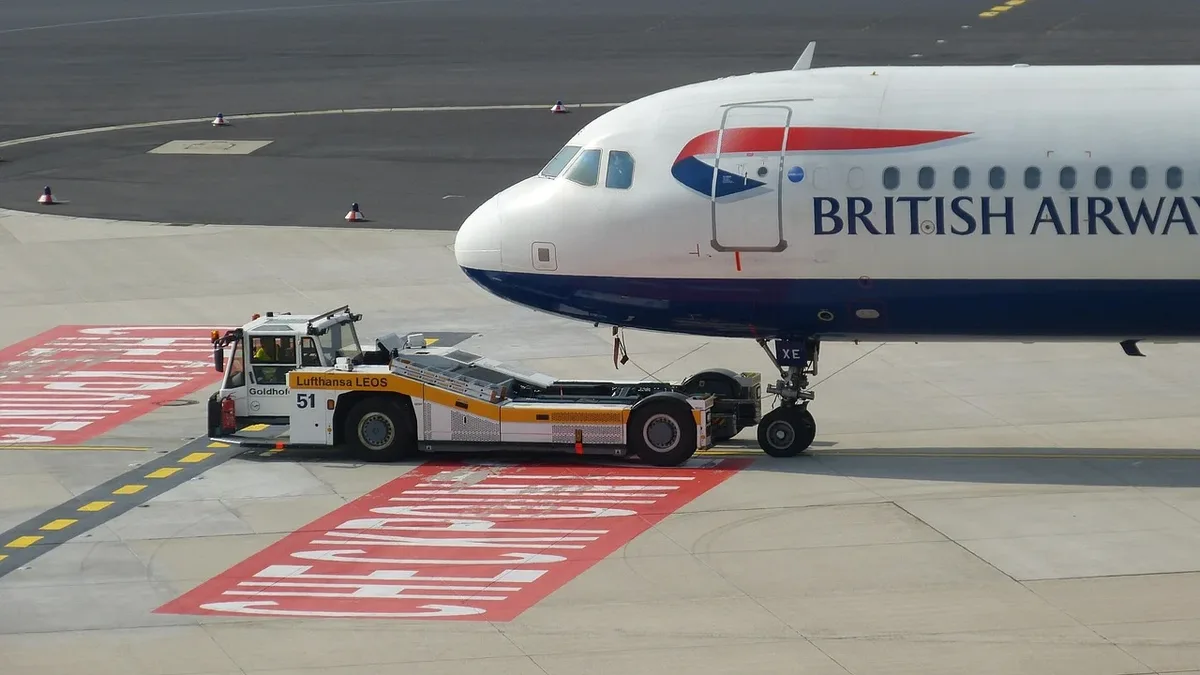
These agreements are fragile and can be changed or terminated based on airline politics. For example, Qatar Airways once offered Qantas staff access to Business Class standby but pulled the benefit after a dispute over flying rights into Australia. In 2017, a dispute between Emirates and British Airways led to the termination of their reciprocal standby deal altogether.
The Boarding Process and Strategy
Employees book non-rev fares through internal systems and check in normally. Whether they get a seat is determined at the gate after all paying passengers have boarded. On an open flight, a seat might be assigned immediately. On a fuller flight, non-rev passengers may not know their fate until boarding closes and no-shows are counted.
Even an assigned seat is not guaranteed until the aircraft door closes. A late-arriving paying passenger, a crew member needing last-minute travel, or an operational change can see a non-rev passenger pulled from their seat.
Many airlines use the MyIDtravel platform, which uses emojis to indicate the chance of getting on a flight. The system does not show how many others are on standby or a passenger's position in the queue.
Veteran non-revvers know these indicators are not definitive. Seats can fill at the last minute, or a single misconnect can open a spot on a flight showing a red face.
When multiple non-rev passengers compete for one seat, priority usually comes down to seniority, though systems differ. Some airlines factor in rank and hire date, so a longer-serving purser might outrank a newer first officer. A smaller number of airlines use a simple first-come, first-served system based on booking or check-in time.
Dress codes have relaxed but smart casual is still expected, especially if an upgrade is possible.
The Unwritten Rules
One rule applies everywhere: no complaining. Non-rev passengers must be the best-behaved on the aircraft because they are traveling as guests of the industry, not as customers. Flexibility is essential. Travelers must have backup plans, considering different routings or later flights if the first choice is full.
Loads can change between checking at home and arriving at the airport. A single cancellation can see spare seats taken by rerouted commercial passengers. The flight attendant source states that non-revving has never been harder due to tight industry capacity and airlines installing fewer seats to expand premium cabins.