Runway Capacity
| Policy name | Runway Capacity |
|---|---|
| Definition | The maximum sustainable rate of aircraft operations a runway system can accommodate. |
| Unit of measure | Operations per hour |
| Primary limiting factors | Air traffic control separation minima, runway occupancy time, aircraft mix |
| Typical range | 30 to over 60 operations per hour |
| Key determinants | Runway configuration, weather conditions, aircraft size/type mix |
| Calculation method | Analytical modeling or simulation based on standard arrival and departure profiles |
Overview
Runway capacity is a measure of the maximum number of aircraft operations a runway system can accommodate within a given period under continuous demand, typically expressed as operations per hour. It is a fundamental constraint governing the entire scale of an airport's activity, directly limiting the number of flights that can be scheduled. This capacity is not a single fixed number but a complex variable influenced by a mix of physical, operational, and environmental factors. The policy surrounding runway capacity involves the procedures, regulations, and strategic decisions used to manage and optimize this finite resource. For a passenger, runway capacity dictates the frequency of available flights, the potential for delays during peak times, and the overall upper limit on the number of travelers an airport can serve daily. Consequently, it is a critical planning metric for airport authorities, airlines, and air traffic control, shaping schedules, infrastructure investment, and the passenger experience from booking to arrival.
History
The formal concept of runway capacity as a calculable and managed metric originated in the United States and Europe alongside the rapid expansion of commercial jet aviation in the mid-20th century. As aircraft speeds and sizes increased in the 1960s and 1970s, the need for standardized separation between aircraft for safety became paramount, directly impacting how many could use a runway per hour. Early capacity models were developed by aviation authorities and research institutions, such as the Federal Aviation Administration in the U.S., to provide a scientific basis for airport planning and air traffic control procedures. The initial focus was primarily on physical and aerodynamic wake turbulence separation minima, which vary significantly between different aircraft weight categories. Over subsequent decades, the models evolved to incorporate the effects of runway configuration, taxiway layout, airspace design, and increasingly, environmental noise abatement procedures that restrict certain flight paths. This historical progression reflects a shift from viewing runways as simple strips of pavement to understanding them as nodes within a complex, interdependent system where capacity is actively managed rather than passively observed.
How it works today
Today, runway capacity is managed through a sophisticated integration of technology, procedural rules, and real-time tactical adjustments by air traffic controllers. The foundational element remains the application of mandatory separation standards between aircraft on approach and departure, which vary based on the types of aircraft involved to mitigate wake turbulence. Controllers use precision radar, advanced sequencing software, and established arrival and departure procedures to space aircraft as efficiently as possible while maintaining these safety buffers. The active runway configuration, such as using runways for both arrivals and departments or segregating them by operation type, is a key daily decision that maximizes throughput based on wind and traffic demand. At congested airports, ground delay programs and metering slots are implemented, holding aircraft at their origin airports to smooth the flow into the constrained runway system. For passengers, this modern management manifests as optimized schedules, managed delays during poor weather, and the use of precise navigation procedures that allow for more consistent flight paths. Ultimately, the delivered capacity is a dynamic balance between theoretical limits and real-world constraints like weather, noise curfews, and airline scheduling practices.
Why it matters
Runway capacity matters because it is the primary bottleneck in the global air transportation network, directly influencing connectivity, economic efficiency, and passenger convenience. When demand approaches or exceeds available capacity, systemic delays cascade through the network, causing missed connections, increased fuel burn, and operational disruptions for airlines. For the individual airport, maximizing its runway capacity is essential for economic viability, enabling it to serve more routes and passengers without the billion-dollar investment and lengthy environmental approvals required for new runway construction. From a passenger's journey perspective, adequate capacity means more flight choices, competitive fares, and a higher likelihood of departing and arriving on schedule. Conversely, chronically constrained capacity leads to higher ticket prices, fewer direct flight options, and a less resilient system that is highly susceptible to disruption from minor incidents or weather. Therefore, effective runway capacity policy is not just an operational concern but a critical element of regional transportation planning and economic development.
Common misconceptions
A common misconception is that building a longer or wider runway automatically increases an airport's capacity, whereas in reality, capacity is often limited by airspace complexity and separation rules, not purely pavement dimensions. Many passengers believe that air traffic controllers can simply "fit in" more planes during busy periods if they try harder, not understanding the immutable physical safety standards for aircraft spacing. Another fallacy is that capacity is a fixed number, when it is actually highly variable and can decrease significantly in poor weather due to reduced visibility and the need for greater separation. Some assume that new, larger aircraft like the Airbus A380 reduce capacity by occupying the runway for longer, but their operation often requires increased separation behind them, which is a more nuanced impact on flow. There is also a public perception that airport expansion is the only solution to congestion, overlooking the significant gains achievable through advanced air traffic management technologies and optimized procedures. Finally, the belief that delays are solely the fault of the airport or airline fails to acknowledge that runway capacity is a shared resource managed under strict regulatory control, where safety considerations will always supersede schedule adherence.
Latest Runway Capacity news
Latest reporting

United's New 787-9s Strain Polaris Lounge Capacity at LAX
United Airlines' incoming fleet of Boeing 787-9s, featuring 64 business-class seats, is creating potential overcrowding at its premium Polaris...
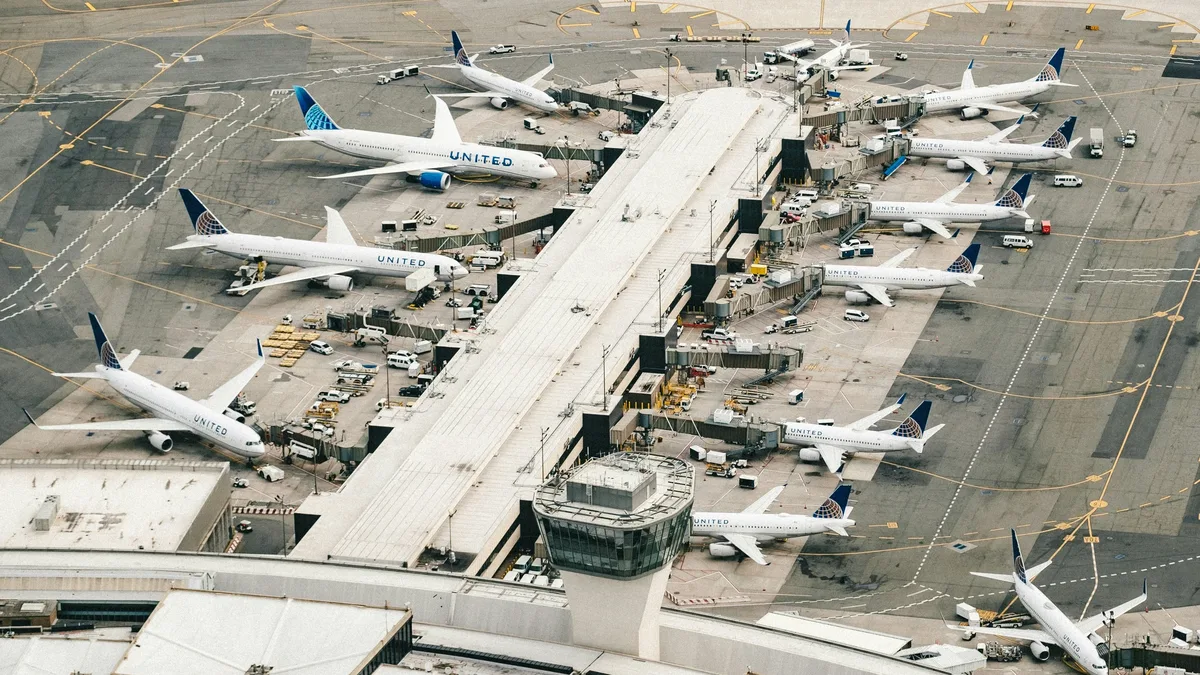
Washington Dulles Airport Launches $20 Billion Overhaul
Washington Dulles International Airport is starting a $20 billion expansion to add capacity for United Airlines and growing passenger numbers...
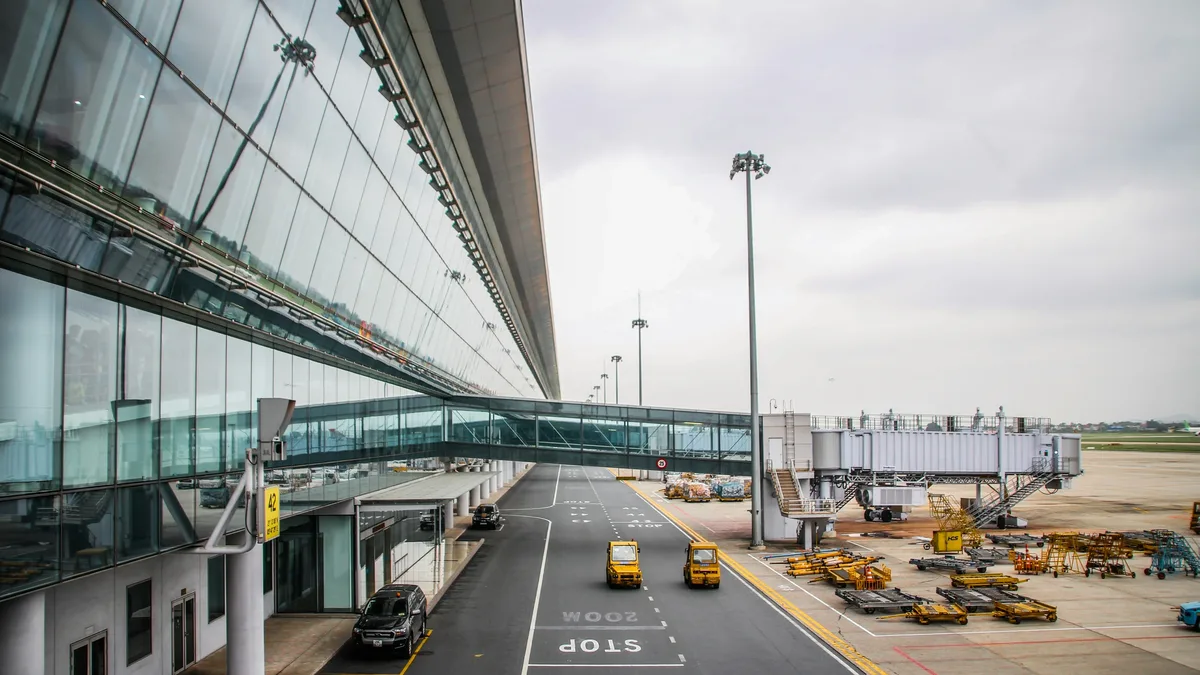
Riga Airport Expansion Project Begins
Riga Airport has begun its terminal expansion project, aiming to increase capacity and enhance the passenger experience with a brand-new...
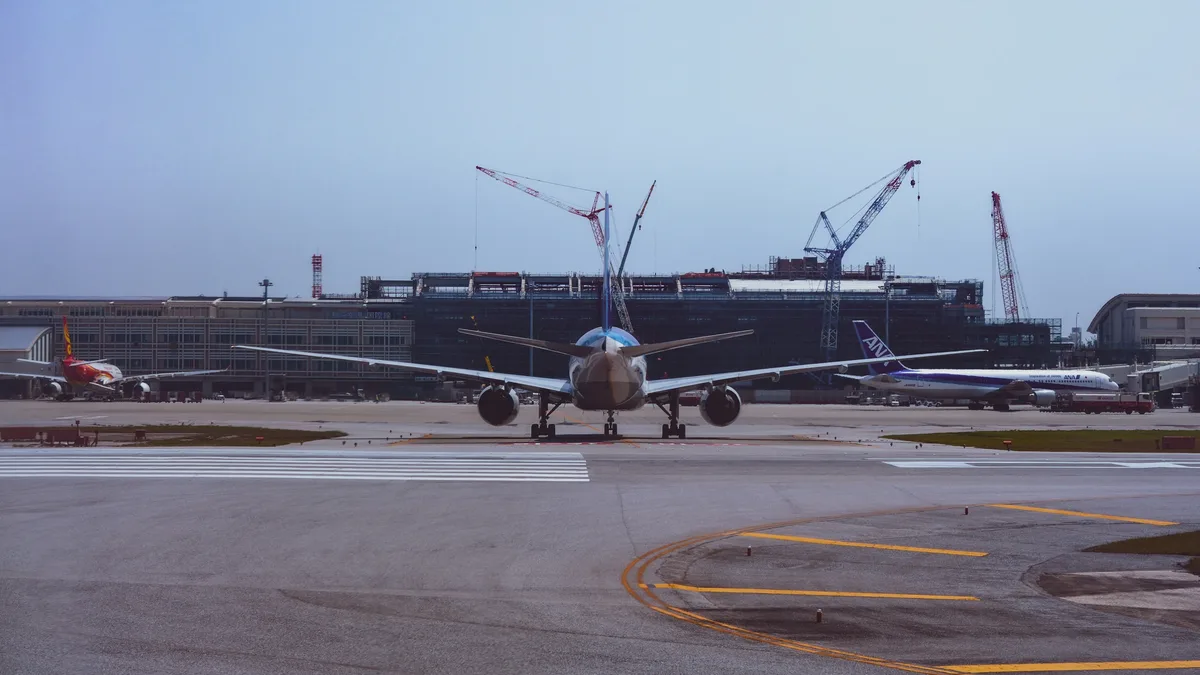
Amazon Cargo Plane Overshoots Runway, Catches Fire at Miami
A Boeing 767 cargo plane operating for Amazon Prime Air overran the runway at Miami International Airport on Sunday, crashing through a fence into a
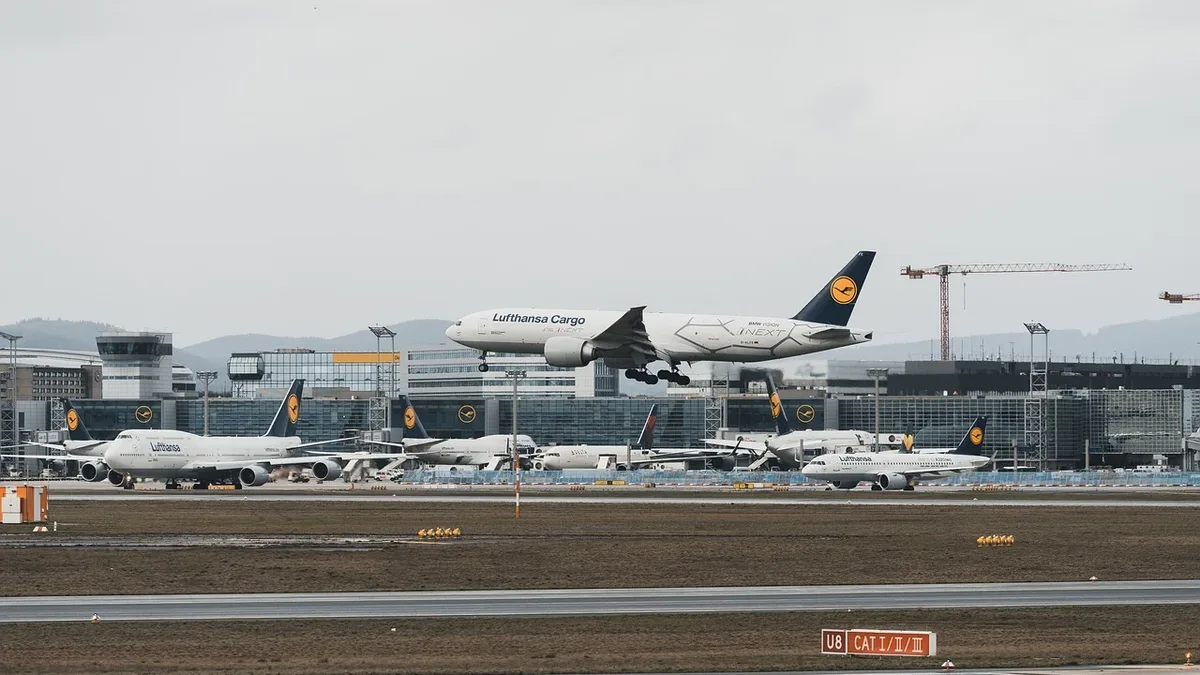
Five Airports Invest Billions To Double Cargo Capacity
Five major global airports are undertaking multi-billion-dollar expansions to more than double their air freight handling capacity by 2030, driven by
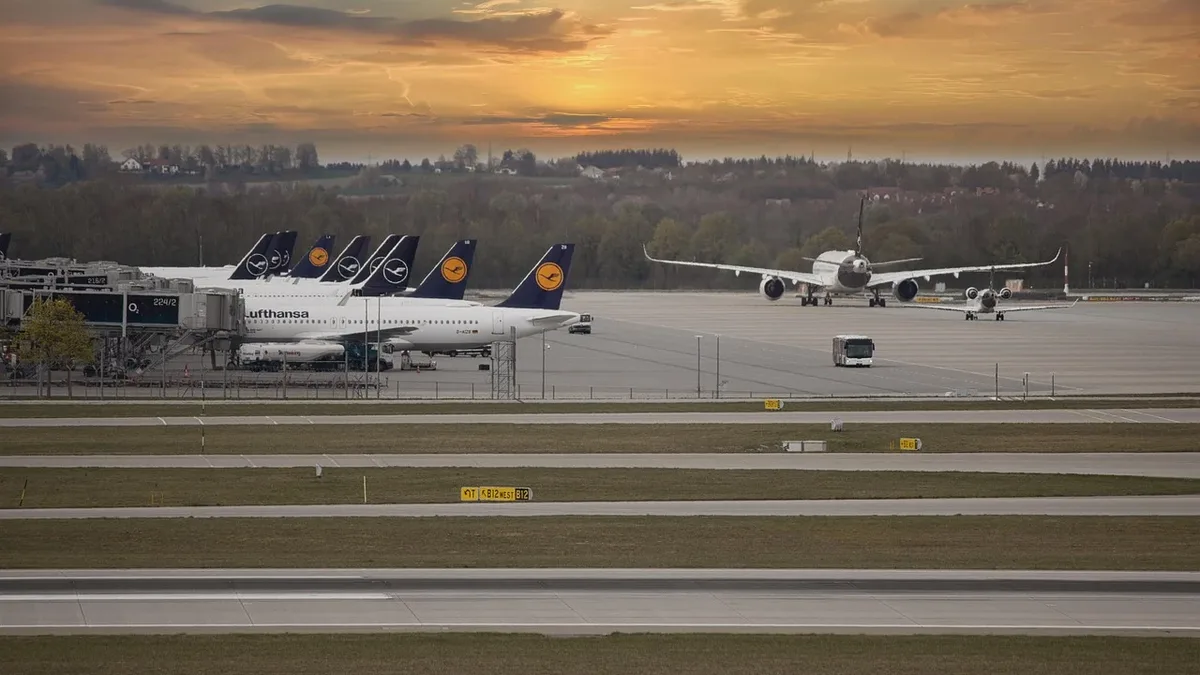
Five major airports rely on a single runway
A report from Simple Flying highlights five major global airports that handle up to 45 million passengers annually with only one operational runway.