Denied Boarding Overbooked
| Applicable regulation | EC 261/2004 (EU) / UK 261 (UK) / None (US) |
|---|---|
| Compensation payable | Yes (EU/UK) / No (US) |
| Required notification | At check-in or gate (EU/UK) / At gate (US) |
| Volunteer solicitation | Required before involuntary denial (EU/UK/US) |
| Rebooking obligation | On next available flight (EU/UK/US) |
| Right to care | Meals, refreshments, accommodation, communications (EU/UK) / None (US) |
| Original use | To maximize airline revenue by filling every seat, accounting for no-shows. |
Origin and history
The practice of airline overbooking, which directly leads to instances of denied boarding, originated in the United States during the mid-20th century. It became a systematic feature of airline revenue management following the widespread adoption of computerized reservation systems in the 1960s. The commercial aviation industry developed this practice primarily as a response to the significant financial impact of "no-show" passengers who held reservations but did not fly. Airlines analyzed historical data to predict the average rate of no-shows on any given flight, creating a mathematical model to sell more tickets than physical seats available. This model was legally formalized and regulated in the U.S. with the implementation of federal rules regarding compensation for "bumped" passengers in the late 1970s. The practice subsequently spread globally as a standard revenue-protection strategy for airlines operating in competitive, deregulated markets.
What it is for
Denied boarding due to overbooking is a direct consequence of an airline's yield management strategy designed to maximize aircraft seat occupancy and revenue. Its primary function is to mitigate the financial losses incurred when booked passengers fail to arrive for their flight without prior cancellation. By overselling the flight, the airline aims to ensure the aircraft departs with as many revenue-generating seats filled as possible, which is critical for operating profitability on thin-margin routes. The process is not intended to arbitrarily remove passengers but is a calculated risk based on statistical probabilities of no-shows and last-minute changes. At the airport, it serves as the final operational step to reconcile the number of ticketed passengers present at the gate with the actual seating capacity of the aircraft. The entire procedure, including soliciting volunteers and, if necessary, involuntarily denying boarding, is a logistical tool to achieve a full flight despite the inherent uncertainty in passenger behavior.
Pros and cons
A primary pro for the airline is the significant protection of revenue, allowing for more competitive base fares by spreading fixed costs across a higher number of reliably filled seats. For the broader passenger community, this practice can contribute to lower average ticket prices by improving airline operational efficiency. A major con is the substantial disruption and distress caused to the involuntarily denied passenger, including missed connections, ruined itineraries, and personal inconvenience that compensation often fails to fully redress. The process frequently generates negative publicity and erodes passenger trust, as travelers perceive it as the airline breaching its contract of carriage for corporate profit. A common mistake by passengers is checking in late or proceeding to the gate late, which statistically increases their likelihood of being selected for involuntary denial if the flight is oversold. Many travelers who require inflexible schedules, such as those attending time-critical events, deeply regret encountering this disruption, as monetary compensation does not recover their lost opportunity.
Who it suits
This practice suits airline revenue managers and shareholders, as it directly supports financial performance by minimizing lost revenue from empty seats. It suits price-sensitive, flexible leisure travelers who may voluntarily accept compensation in exchange for a later flight, viewing the inconvenience as an opportunity for travel vouchers. The system does not suit business travelers or anyone with rigid, time-sensitive obligations, for whom guaranteed departure is more valuable than any compensation offered. It suits passengers who are members of the airline’s frequent flyer program with high status, as they are typically exempt from involuntary denied boarding due to contractual priorities. The practice inherently suits scenarios where passenger no-show rates are predictably high, such as on routes with multiple daily frequencies or between major hub airports. It does not suit the operational model of airlines that guarantee specific seating at booking or those operating under regulatory frameworks that prohibit overselling.
Latest Denied Boarding Overbooked news
Latest reporting
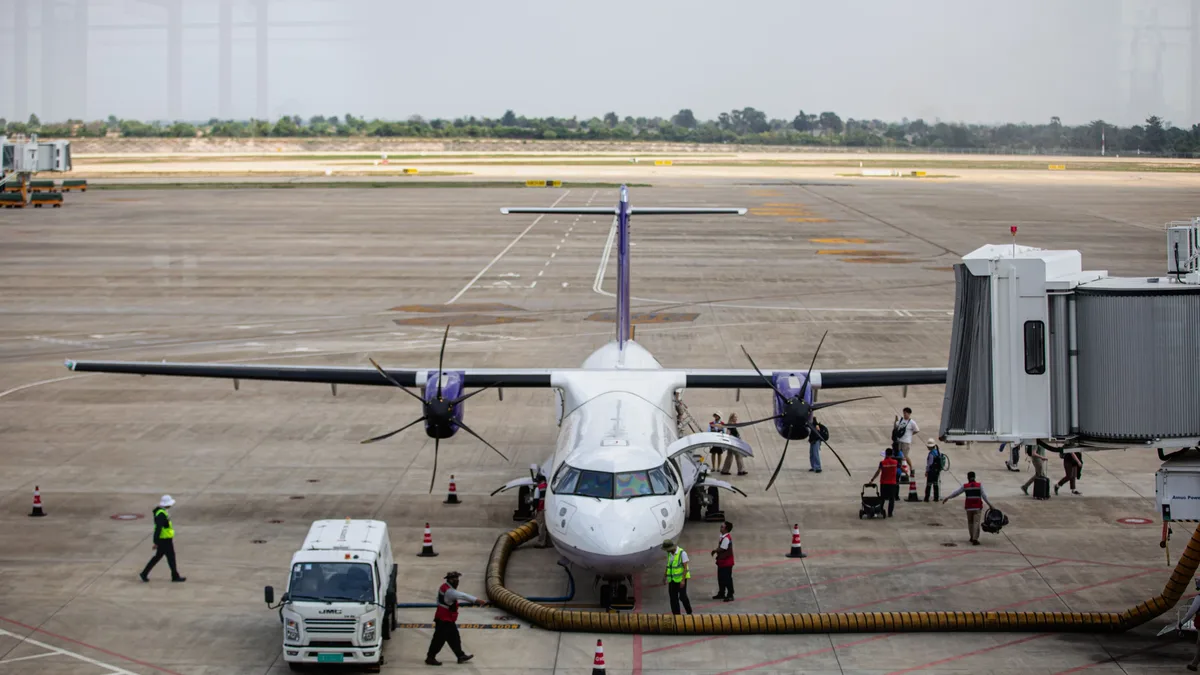
Airlines With Fastest Boarding Times Compared
A report details five airlines known for rapid boarding, highlighting methods like WILMA and operational tactics that keep turnarounds short.
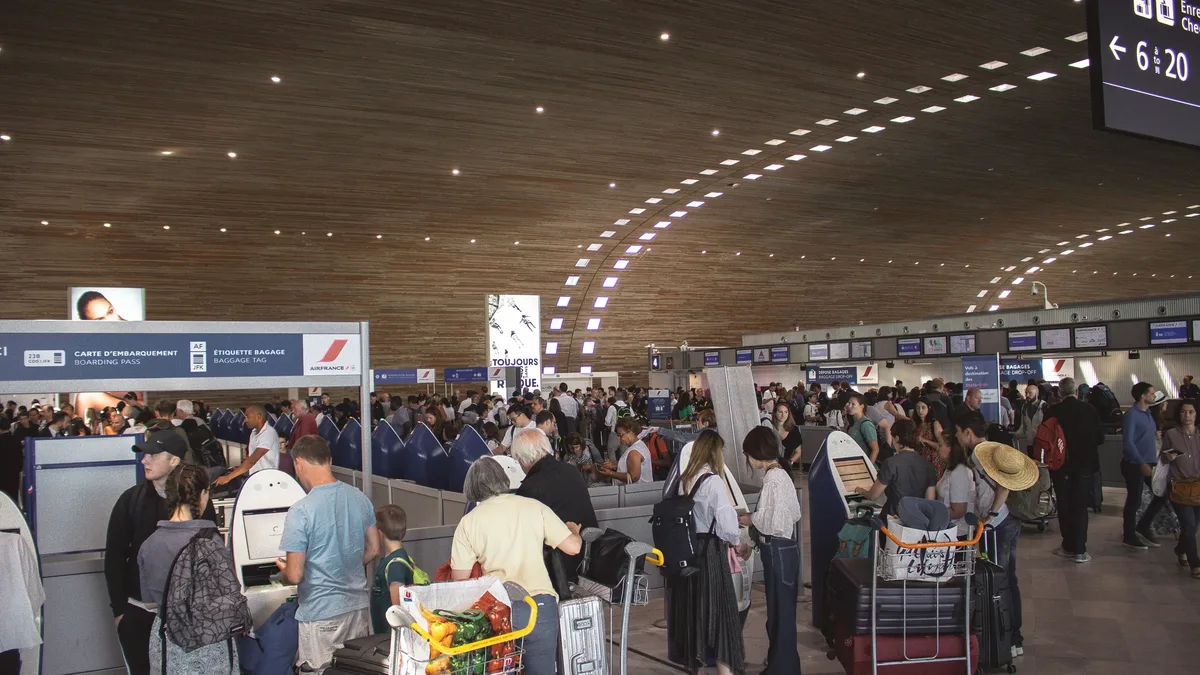
Gate Lice: Airport Slang Enters Dictionary
The derogatory slang term 'gate lice,' describing passengers who crowd boarding gates early, was added to the Cambridge Dictionary in January 2025.
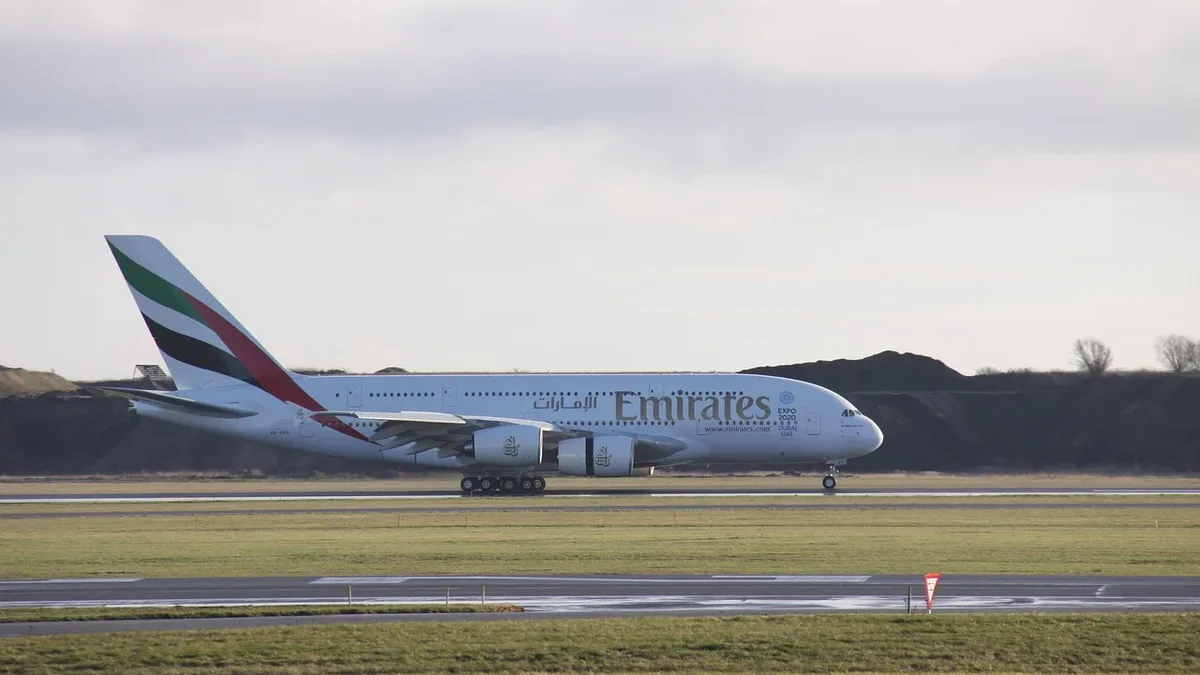
Review: The Emirates Lounge at London Stansted Airport - impressive
The Emirates Lounge at London Stansted Airport is a classy affair, featuring light and bright seating areas, direct boarding, and freshly cut...