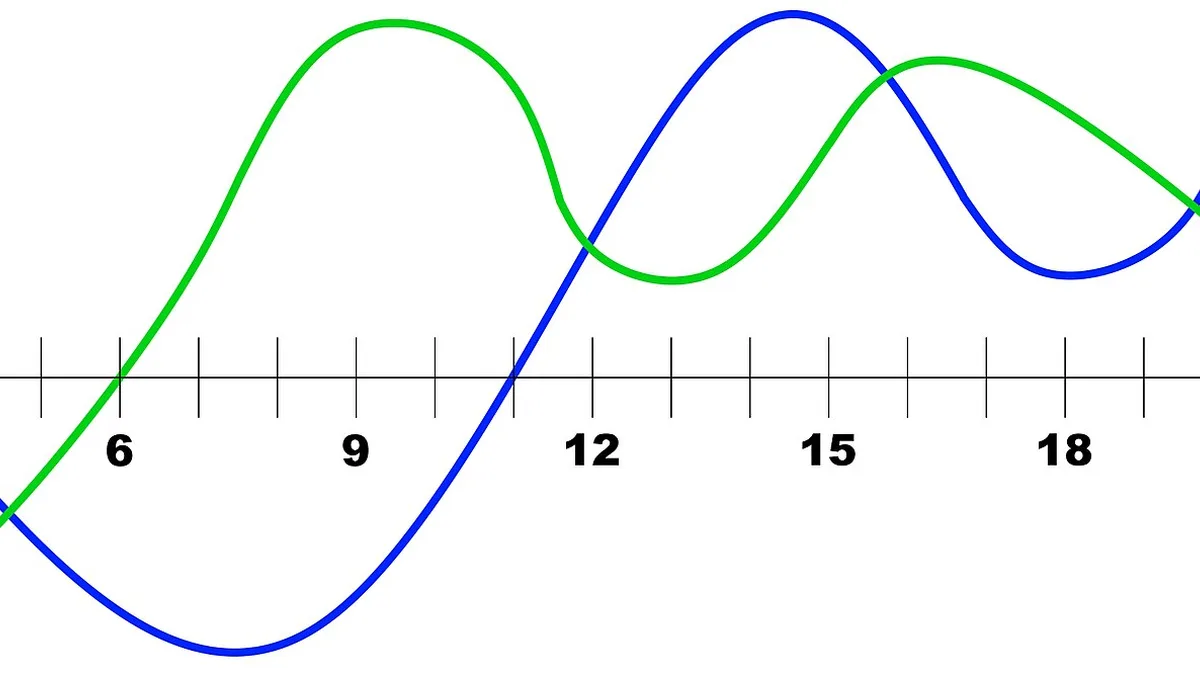
Delayed More Than Three Hours
| Applicable journey stage | Post-security, at departure gate |
|---|---|
| Typical cause | Severe weather, technical fault, crew unavailability |
| Passenger right | EU/UK Regulation 261/2004 compensation eligibility |
| Compensation threshold | 3,500 km or more flight distance |
| Typical airline obligation | Provision of care (food, drink, communication) |
| Common resolution | Flight cancellation, re-routing on next available service |
Origin and history
The formal regulatory concept of a flight delay categorized as "Delayed More Than Three Hours" originated in the European Union in the early 2000s. It was established as a key threshold within EU Regulation 261/2004, which was adopted to standardize passenger rights across member states. This regulation came into force in February 2005, creating a legally defined disruption tier. The three-hour mark was not an arbitrary choice but was set to distinguish between minor inconveniences and significant disruptions warranting compensation. This legal framework has since influenced passenger rights legislation in other regions, though the specific time threshold and associated remedies vary globally. Its creation responded to growing passenger advocacy and the need for clarity against inconsistent airline policies.
What it is for
This classification serves as a critical trigger for specific passenger rights and airline obligations under established regulatory regimes. Its primary function is to determine eligibility for financial compensation, which is typically a fixed amount based on flight distance, under laws like the EU regulation. It also mandates that the operating airline provide care, such as meals, refreshments, and hotel accommodation with transfers, during the waiting period. The designation provides a clear, objective benchmark for both passengers and airlines, moving away from subjective interpretations of what constitutes a "long delay." It creates a formal process for passengers to seek redress, shifting the burden from goodwill gestures to enforceable legal claims. Furthermore, it serves as a performance metric for aviation authorities monitoring airline operational reliability and consumer protection standards.
Pros and cons
A significant pro is that it provides passengers with a powerful, unambiguous tool for seeking redress, transforming a frustrating experience into a structured claims process. This legal backing often leads to airlines proactively offering care and assistance once the delay crosses this threshold to mitigate later compensation claims. For the industry, it establishes a clear standard that can drive operational improvements aimed at minimizing these lengthy disruptions. A major con is that the rigidity of the "three-hour" rule can lead to contentious disputes over the exact moment of arrival, particularly regarding whether a delay is calculated from the original scheduled departure or arrival time. Many passengers regret not understanding the specific conditions, such as the "extraordinary circumstances" exemption, which airlines can cite to deny compensation despite the delay duration. A common mistake is passengers failing to collect and retain proper documentation, such as boarding passes and delay notices, which are crucial for a successful claim.
Who it suits
This classification primarily suits passengers on flights governed by regulations that contain such a threshold, such as those departing from the EU or arriving in the EU on an EU carrier. It is particularly suited for organized, patient individuals who are willing to navigate the claims process, which can involve formal written submissions and potentially lengthy follow-up. The framework benefits passengers on leisure trips with flexible return plans less than business travelers who may suffer significant consequential losses from missed connections or meetings that compensation does not cover. It is also well-suited for passenger rights organizations and legal advisors who use the clear threshold to provide straightforward guidance and aggregate claims. Ultimately, it serves the systematic traveler who values regulatory protection over relying on airline discretion, and who views the process as a matter of principle rather than just immediate convenience.
Latest Delayed More Than Three Hours news
Latest reporting
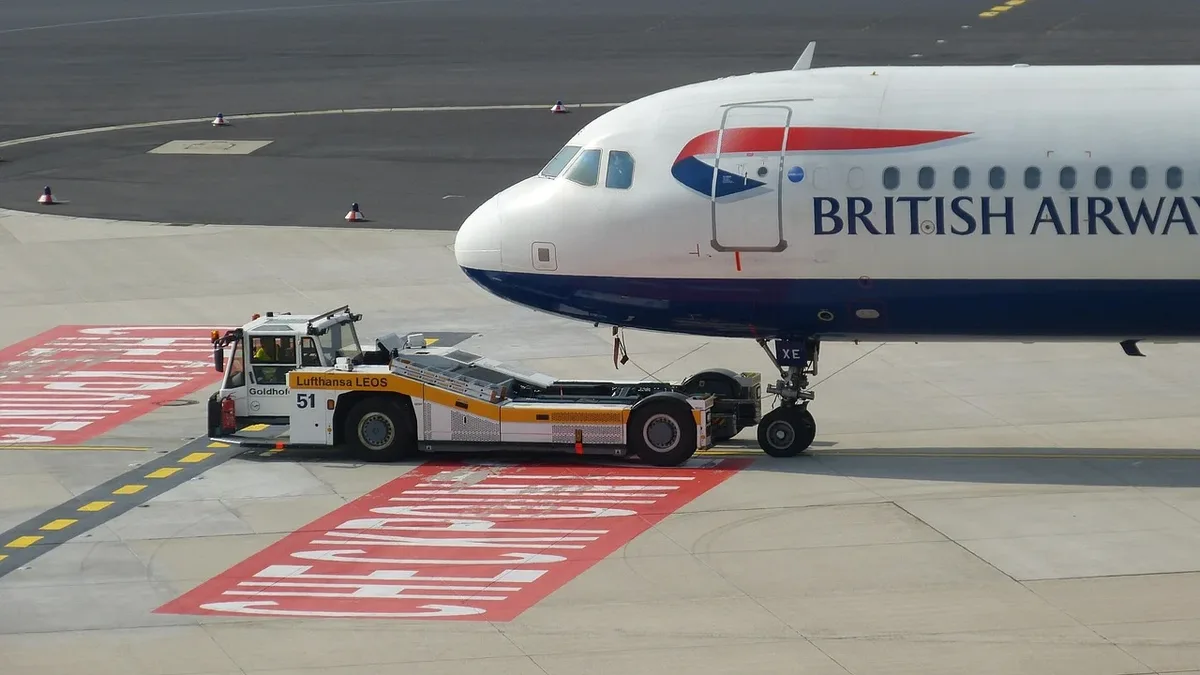
British Airways Club Silver Status Duration and Demotion
British Airways Club members who earn Silver status are guaranteed at least 12 months of benefits, with a 'soft landing' policy preventing demotion...
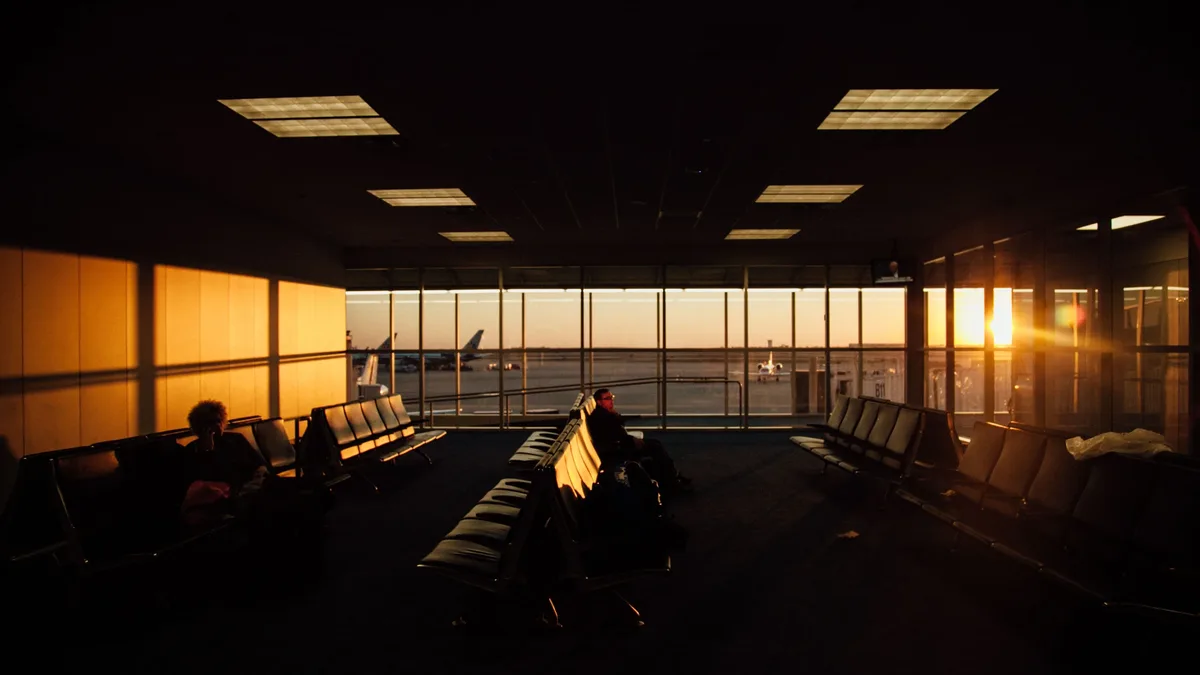
Aspire opens 300-seat lounge at Manchester Airport Terminal
Aspire Pre-Flight Hospitality has launched a new 300-seat lounge at Manchester Airport's Terminal 2, featuring industrial heritage decor and extended...
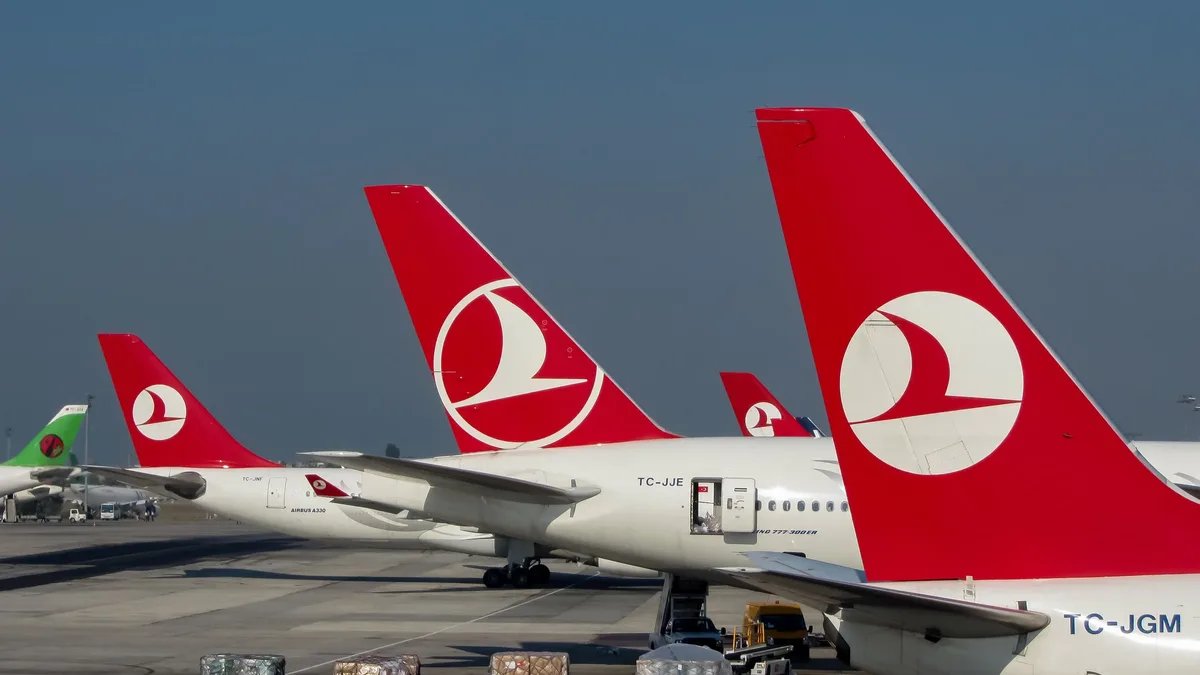
Turkish Airlines finalizes major Boeing 737 MAX order
Turkish Airlines has signed a firm order for 100 Boeing 737-8 jets with options for 50 more, resolving a year-long engine pricing dispute.
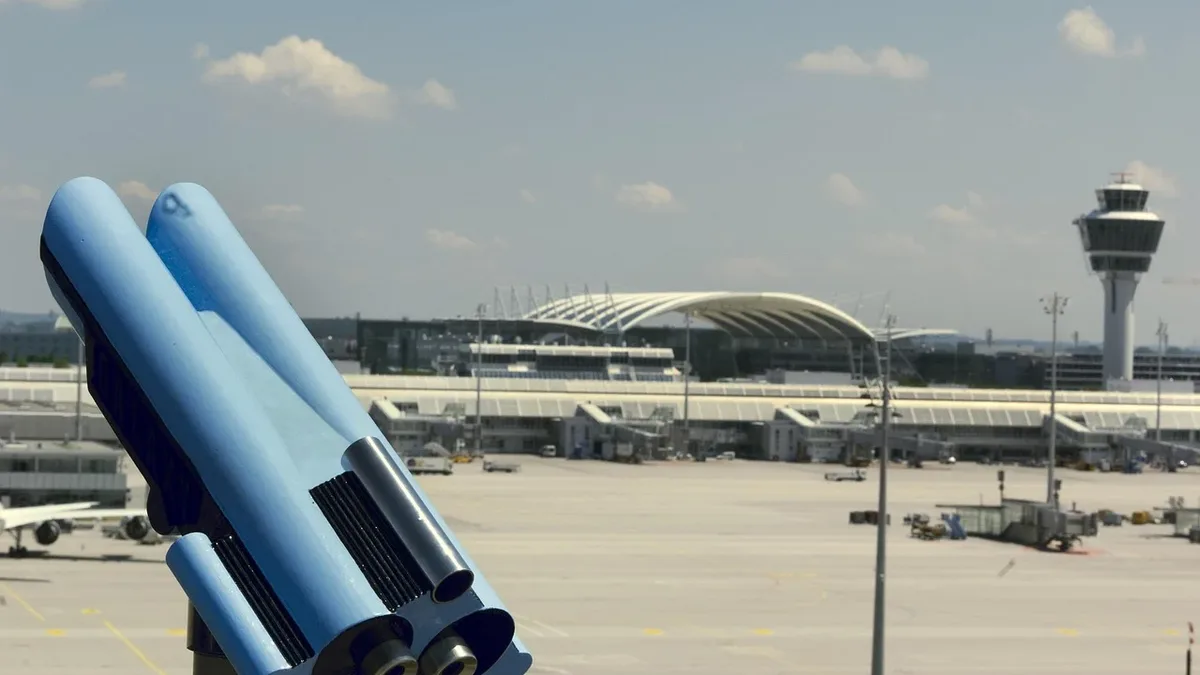
FAA Seeks $30 Billion More After Northeast ATC Failure
The US Transportation Secretary requested an additional $30 billion for aviation infrastructure, a day after a telecom failure caused massive delays...
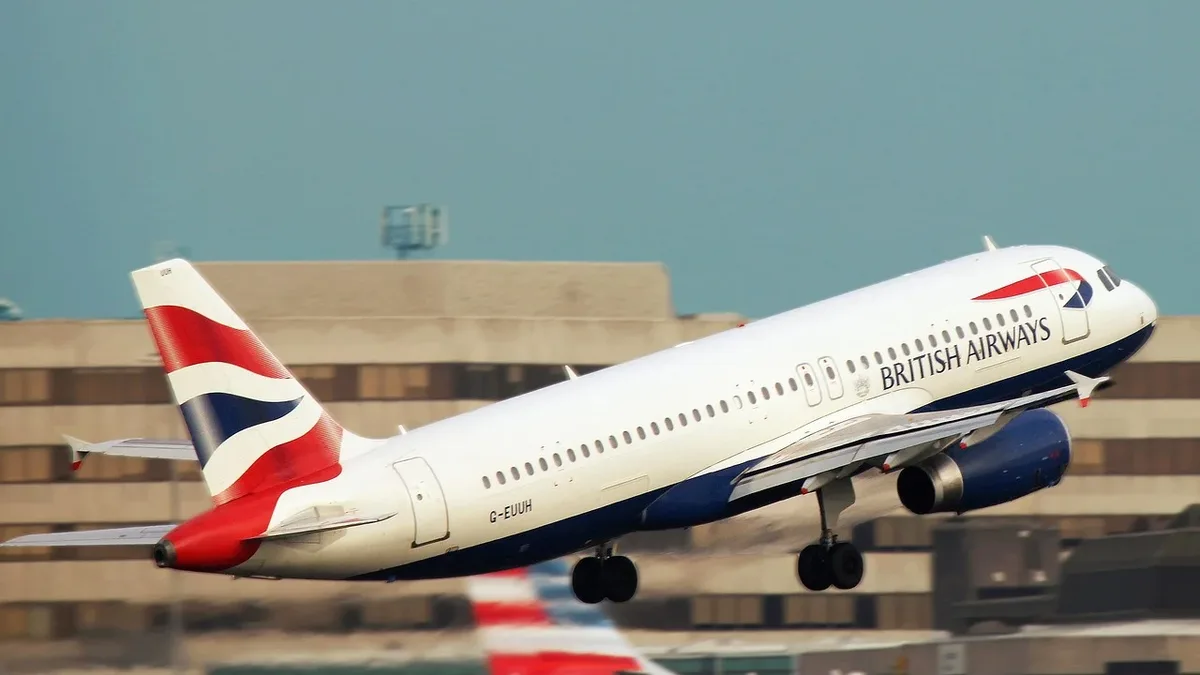
British Airways Adds Kilimanjaro and Zanzibar from Gatwick
British Airways will launch a triangular route from London Gatwick to Kilimanjaro and Zanzibar in Tanzania in May 2027, operating three times weekly...
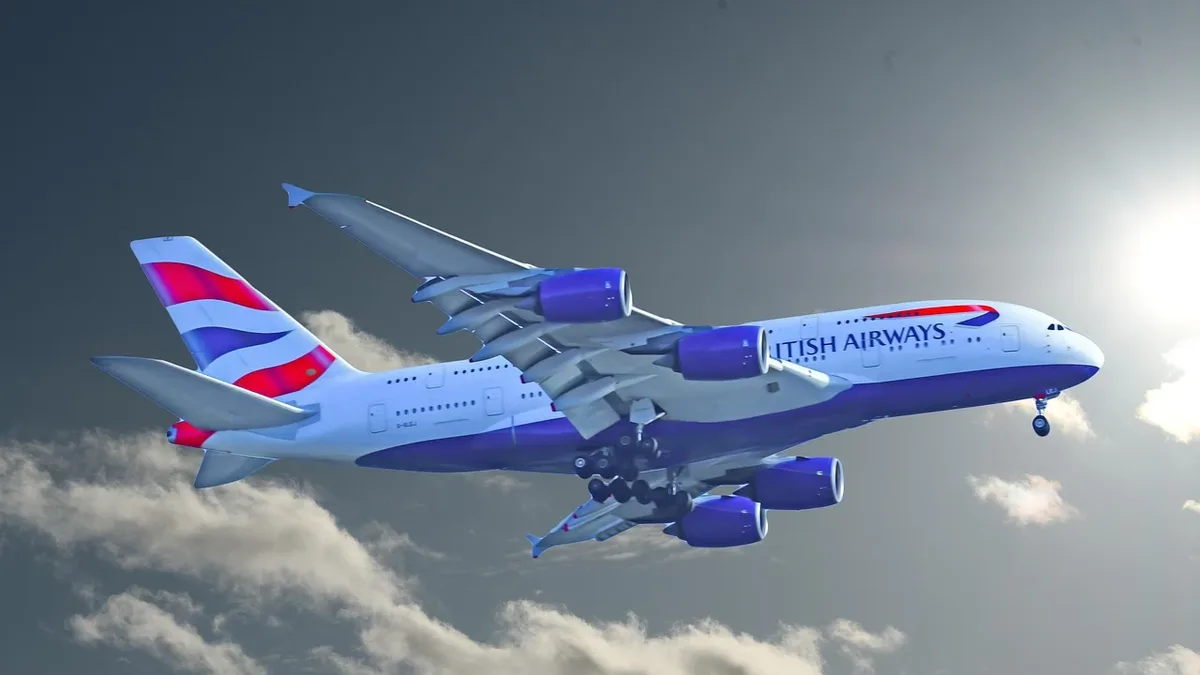
UK CAA Revises Airspace Change Rules for 2026
The UK Civil Aviation Authority has updated its Airspace Change Process, aligning with new government policy. The revised CAP1616 framework...