Delayed Baggage
| Definition | A passenger's checked luggage fails to arrive on the same flight and at the same time as the passenger. |
|---|---|
| Primary cause | Mishandling during transfer between connecting flights or at the point of origin. |
| Typical resolution time | A few hours to several days. |
| Passenger's first action | Report the issue to the airline's baggage service desk before leaving the airport. |
| Key document | The Property Irregularity Report (PIR) number provided by the airline. |
| Airline's obligation | To deliver the located baggage to the passenger's address, usually at no extra cost. |
| Common compensation | Provision of essential toiletries and clothing, often via a cash allowance or pre-paid card. |
Origin and history
The systemic issue of delayed baggage is a consequence of the commercial aviation industry's expansion in the mid-to-late 20th century. It emerged as a significant operational disruption alongside the rise of hub-and-spoke networks and the introduction of interline agreements between airlines in the 1960s and 1970s. The practice of transferring passenger bags between different aircraft and airlines at major connection hubs inherently introduced points of failure into the baggage handling process. The problem was further compounded in subsequent decades by increasing passenger volumes, tighter aircraft turnaround times, and the complex logistics of sorting and routing thousands of bags daily. While baggage handling systems became more automated, the fundamental vulnerability to human error, mechanical failure, and misrouting during tight connections remained. The issue is globally ubiquitous, with no single point of origin, but its modern scale and recognition as a major passenger pain point are directly tied to the globalization of air travel in the late 20th century.
What it is for
Delayed baggage is an unintended disruption in the passenger journey, representing a failure in the airline's contracted service to transport a passenger's checked luggage on the same aircraft and to the same destination as the passenger. In the context of an airport, it signifies a breakdown in the behind-the-scenes logistics chain that begins at the check-in desk and ends at the baggage reclaim carousel. The process exists, from the passenger's perspective, to test the resilience of their travel plans and their preparedness for contingency scenarios. It serves to highlight the critical dependency on items packed in checked luggage and the immediate need for essential belongings. For the airport and airline, the disruption triggers a standardized recovery protocol involving tracking systems, local baggage search teams, and procedures for eventual bag delivery. Ultimately, it shifts the passenger's journey from a streamlined process into a manual administrative task of filing reports, providing contact details, and waiting for resolution.
Pros and cons
There are no genuine pros to delayed baggage for the passenger; it is an unambiguously negative disruption. The primary con is the immediate loss of access to essential personal items, including medication, clothing, toiletries, and business materials, which can derail the purpose of a trip. Passengers often regret checking critical or irreplaceable items, a common mistake made in an effort to travel light with only carry-on luggage. The administrative burden of filing a Property Irregularity Report (PIR) consumes time at the destination airport, adding stress after a potentially long flight. Further cons include the uncertainty of the bag's location and the timeline for recovery, which can span days, leaving the passenger in a state of limbo. The process of coordinating delivery, which may require the passenger to remain at a specific address, can also restrict mobility and plans at the destination. Airlines and airports incur significant costs from tracking, transporting, and delivering delayed bags, and suffer reputational damage, though these are operational cons rather than passenger-facing ones.
Who it suits
Delayed baggage suits no one; it is a universally undesirable outcome. It is particularly ill-suited for passengers on tight itineraries, such as those attending a wedding, a critical business meeting, or a connecting cruise, where the loss of formal attire or documents is catastrophic. It is also poorly suited for families with young children or infants who rely on checked bags for essential supplies like formula, diapers, and familiar comfort items. Passengers traveling to remote destinations with limited shopping options for replacement goods find themselves in an extremely difficult position. Conversely, the disruption is marginally less severe, though still inconvenient, for travelers returning to their home base, where they have access to alternative clothing and necessities. The only individuals for whom delayed baggage presents a form of opportunity are those in the baggage handling and logistics recovery sectors, whose roles are defined by resolving the problem, though this is a professional circumstance rather than a matter of suitability for the traveler.
Latest Delayed Baggage news
Latest reporting
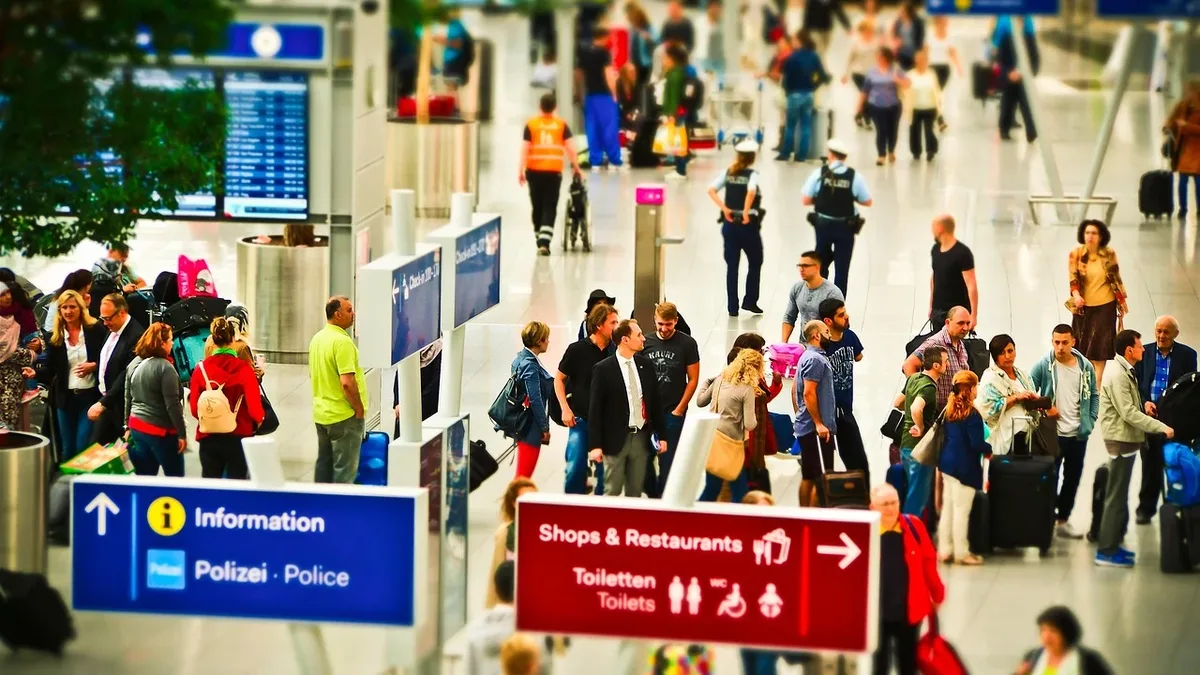
Airports Must Link Systems to Cut Passenger Delays
Industry reports argue that connecting existing airport and airline systems, not new technology, is key to reducing queues and baggage mishandling.
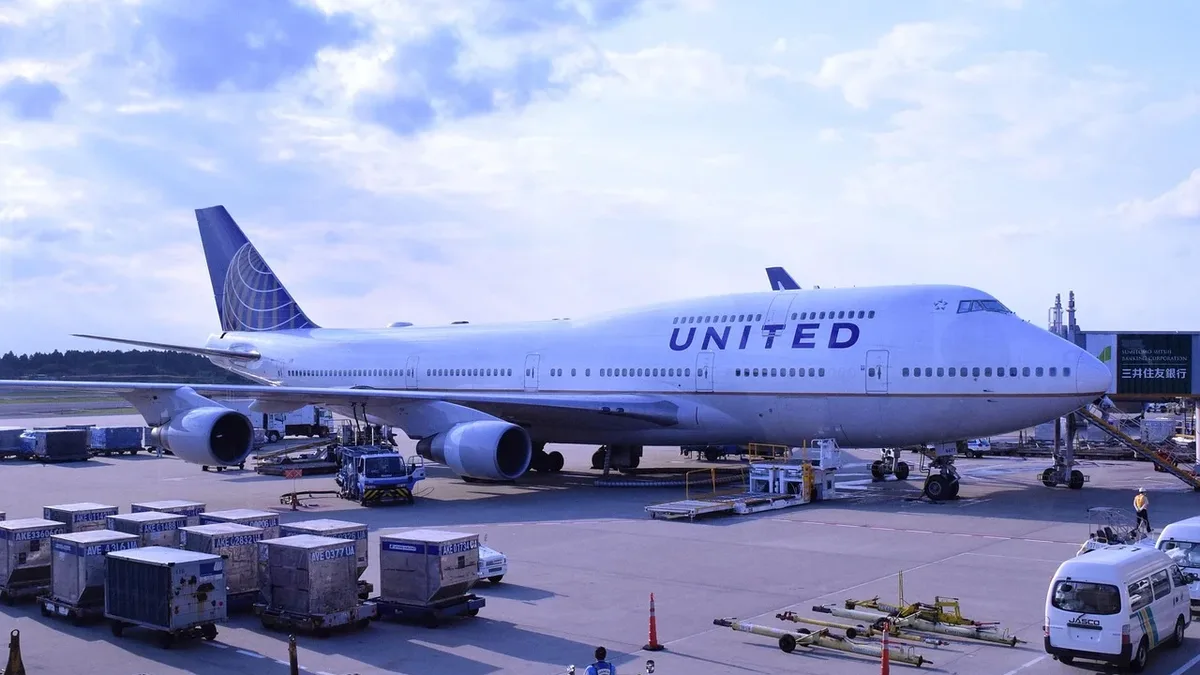
United Airlines Stores Hundreds of Unused Lie-Flat Seats
United Airlines CEO Scott Kirby says the carrier has hundreds of new lie-flat business class seats in storage, ordered for the delayed Boeing 737 MAX...
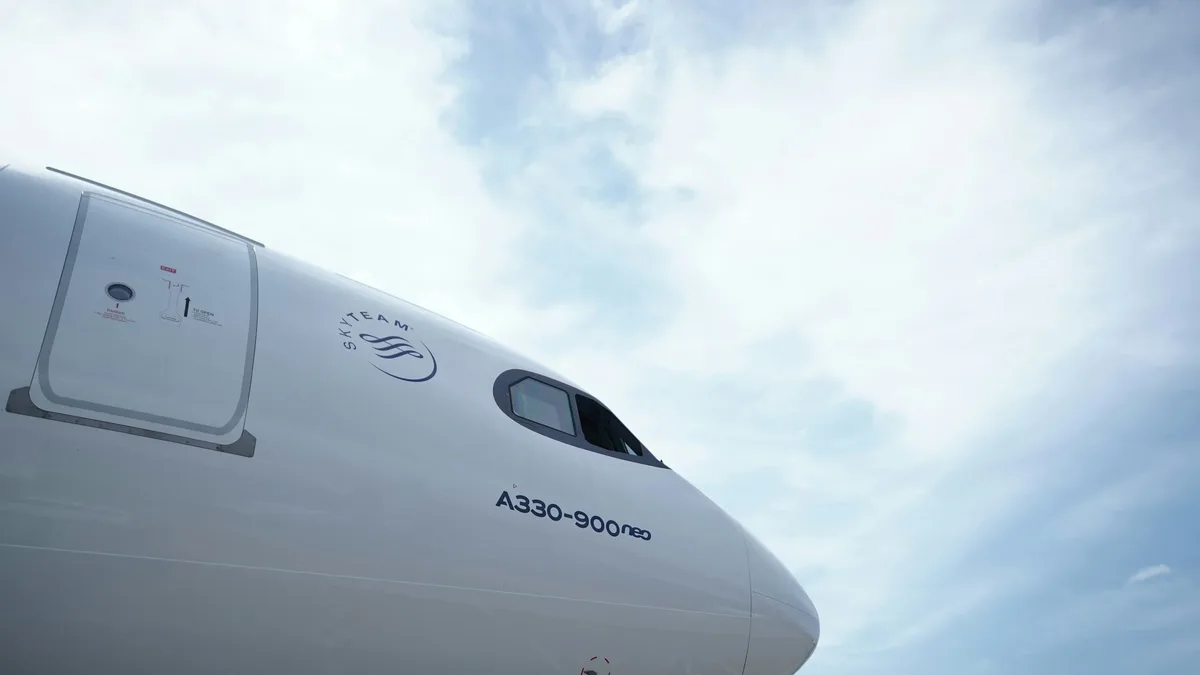
Virgin Atlantic A330neo delays affect Heathrow-JFK launch
Virgin Atlantic has delayed the launch of its new premium-heavy A330neo aircraft due to production issues at Airbus, pushing back key Heathrow routes...