TSA's CT scanners could slow PreCheck lanes
The TSA is rolling out new $800,000 CT 3D bag scanners to nearly 300 US airports, but they are not being prioritized for PreCheck lanes.
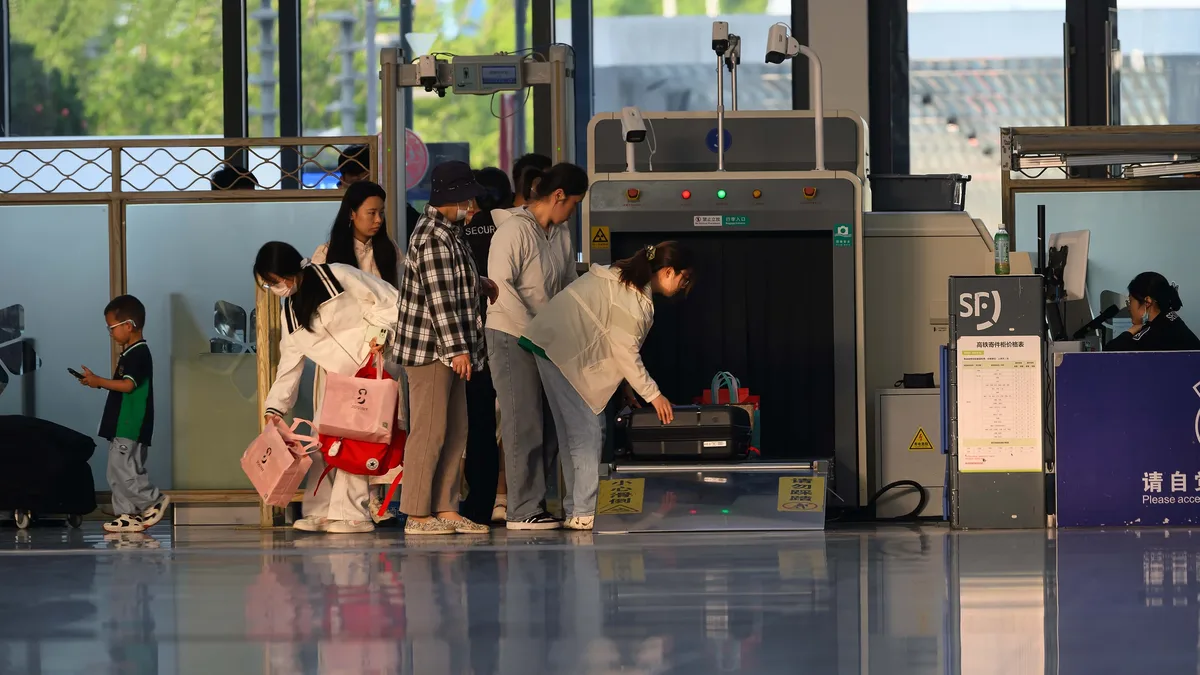
The Transportation Security Administration (TSA) is installing new Computed Tomography (CT) 3D bag scanners across the United States. These machines, which cost around $800,000 per unit, create a rotatable 3D model of a bag's contents, allowing officers to see through items like laptops and reducing the need for manual bag checks.
While the technology enhances security, the scanners are not always faster than older X-ray units. They can be smaller, potentially causing bottlenecks if a bag gets stuck. This slower speed is a key reason the TSA is not focusing its installation efforts on PreCheck lanes, where the primary selling point is expedited screening.
How CT Scanners Work
The new CT scanners use X-rays to take hundreds of 2D images from different angles, which are combined into a single 3D model on a screen. This allows TSA officers to view the full shape and density of a bag's contents. The technology is so effective that passengers at equipped lanes can leave large electronics in their carry-on bags.
However, the scanning process itself is not necessarily quicker. The main advantage is accuracy, which reduces physical bag inspections. The machines are also far more expensive than the older X-ray units they are replacing.
| Equipment Type | Approximate Cost | Key Feature |
|---|---|---|
| CT 3D Scanner | $800,000 (per unit) | Creates rotatable 3D model of bag contents |
| Older X-ray Unit | As little as $65,000 | Standard 2D X-ray image |
The PreCheck Dilemma
TSA PreCheck is a trusted traveler program that offers faster security screening. Members keep shoes, belts, and light jackets on, and can leave laptops and compliant liquids in their bags. They typically pass through a metal detector instead of a full-body scanner. The program's core benefit is speed.
PreCheck lanes have seen growing wait times due to the program's popularity and TSA staffing challenges. Installing the new CT scanners, which can slow processing, would undermine the speed promise in lanes used by pre-vetted travelers. The TSA argues the added security benefit is less critical for this low-risk demographic.
A Strategic Rollout
The TSA is deploying the scanners strategically across its network of over 400 commercial airports. Instead of fully equipping a few major hubs, the agency is installing a handful of CT units at nearly 300 different airports. This lane-by-lane approach means passenger experiences will vary even within the same airport.
The rollout began with pilot programs at Phoenix Sky Harbor and Boston Logan airports in 2017. Major orders followed, including a deal for nearly 1,000 units in 2022 and an order for over 1,200 units worth more than $1 billion in 2023. Despite this pace, the TSA does not expect to complete the nationwide installation until the late 2030s or early 2040s.
Source: Simple Flying