TAV Technologies: AI to Transform Passenger Touchpoints
TAV Technologies argues airports must evolve passenger processing from transactional systems to intelligent, revenue-generating touchpoints using AI
Airports must shift from viewing passenger touchpoints as mere operational bottlenecks to unlocking them as intelligence and revenue opportunities, according to a perspective from TAV Technologies. The firm argues that while systems like Common Use Terminal Equipment (CUTE) revolutionized processing decades ago, the next generation requires artificial intelligence to understand passenger context.
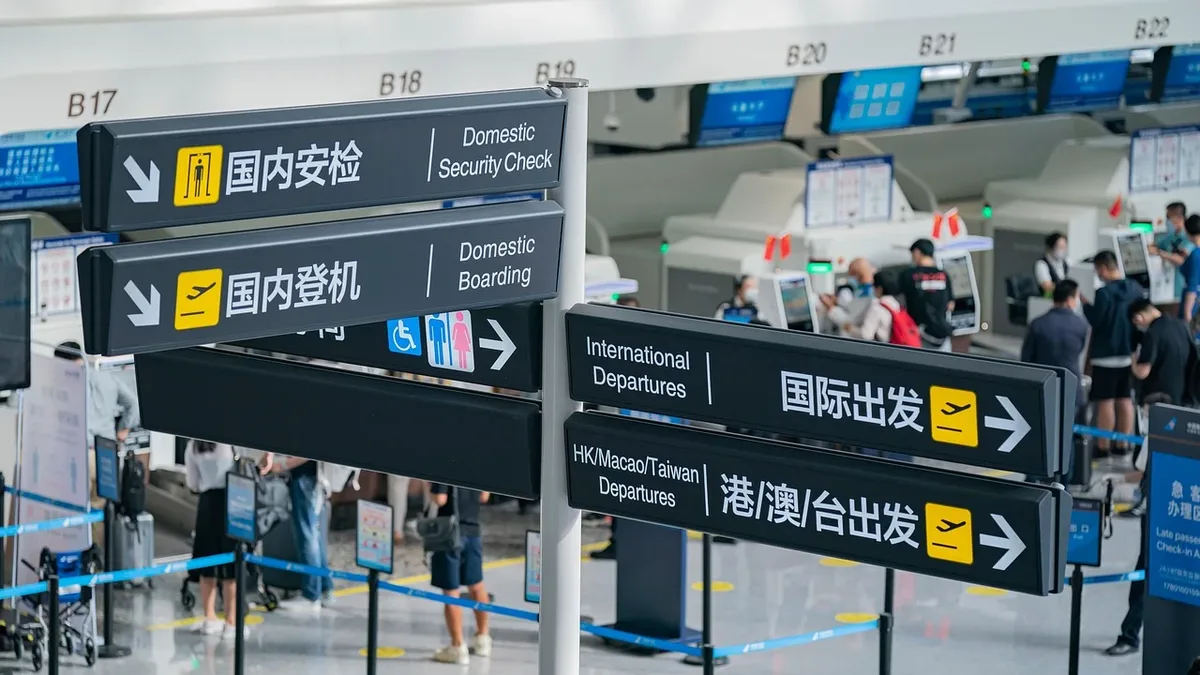
Modern passenger processing systems, from check-in kiosks to eGates, remain highly transactional. A report by TAV Technologies states they are "exceptionally good at what they were designed to do: reducing friction." However, these systems do not understand the broader journey, such as identifying a late passenger who needs fast-track security or a traveller with time for lounge access. For airports, where non-aeronautical revenues can exceed 40 percent of total income, every interaction is a missed commercial opportunity.
From Processing to Understanding
Biometric systems have solved identity verification, but TAV Technologies contends that "identity alone is no longer enough." Knowing who a passenger is does not reveal their needs, likely purchases, or where their experience could be improved. The firm posits that "AI begins to answer what next," creating a new architectural layer where touchpoints become intelligent decision points.
Intelligent Touchpoints in Action
TAV Technologies envisions a future where every kiosk, bag drop, and gate operates as an intelligent service node. Integrated with systems like Airport Operational Databases (AODB), these points could manage access control, verify eligibility, and optimize passenger flow. The transformation is becoming more accessible through software-defined, modular platforms, reducing deployment costs for regional and mid-sized airports.
Operational and Commercial Gains
Intelligent touchpoints can generate a live operational picture of terminal congestion, passenger flows, and baggage behavior. For example, computer vision at processing points could identify oversized cabin baggage early, allowing proactive offers to check bags, thereby reducing boarding delays and protecting ancillary revenue. TAV Technologies notes this addresses a "common source of boarding delays and aircraft turnaround inefficiencies."
Personalized Service at Scale
AI enables hyper-personalized, context-aware services that move airports beyond generic promotions. A late arriver could get a fast-track offer, families could be guided to priority screening, and transit passengers could see lounge or hotel options based on layover length. "The shift is subtle but significant," the report states, as it "moves airports away from generic promotions and toward situational, context-aware engagement." This AI-powered advisory layer acts as a concierge at scale, augmenting staff across the fragmented ecosystem of retail, lounges, and transportation services to improve discoverability and conversion.
The perspective concludes that this shift from processing passengers to understanding them represents a more profound transformation than incremental automation, defining the next generation of airport technology.